
Every person faces pressure at different times in life, yet early tension often goes unnoticed. Gentle worries can slowly grow into heavy thoughts without clear warning signals. People might push through busy days while their minds feel crowded and unsettled. Early care for the inner state helps protect mood and overall well-being. When small hints are spotted early, it becomes easier to adjust habits and thoughts. Quiet observation of feelings helps people understand themselves better. With patient attention, people can notice patterns and then choose helpful responses before stress grows. This gentle awareness builds strength over time for daily life.
Noticing Body Changes
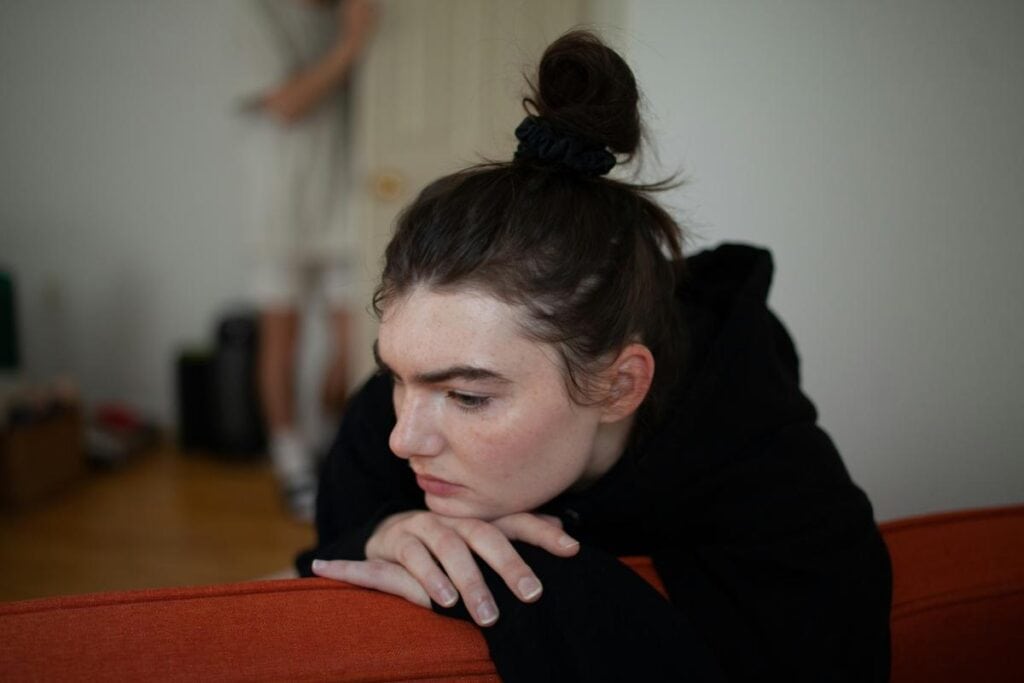
The body always whispers before the mind understands what is happening. Early signals that may appear as restless sleep or a racing heart while quiet moments. Some people notice tight muscles, especially in the neck or shoulders, after normal days. Others feel sudden warmth in the face or shaky hands without a clear reason. These signals do not always mean anxiety, yet they will deserve all kind of attention. Checking on breathing posture and muscle tension during short pauses can reveal useful patterns. When these signs appear again, it helps to slow down and give the body gentle care. Many people ignore these bodily messages because they seem ordinary or easy to explain away. Yet the body keeps repeating signals until someone listens with respect.
Shifts in Thoughts
Thought patterns often shift before behaviour seems different to other people. Careful notice of thinking styles helps reveal rising inner strain.
- Thoughts jump quickly between worries, making it hard to stay present during tasks.
- Mind repeats the same fear picture many times, which drains quite mental energy.
- Future scenes feel constantly negative, so hopeful ideas seem weak or unrealistic.
- Simple choices start feeling huge, which leads to doubt, confusion then delay.
- Inner voice becomes harsh, often comparing you unfairly with other people.
Emotional Early Clues
Feelings can send early alerts even when life appears organised from the outside. Frequent waves of sadness or sudden tears may show that pressure is building inside. Irritation might rise faster than usual, especially toward small delays or polite questions. Some people feel numb, as if emotions are distant, which can also signal inner strain. Paying attention to these patterns with curiosity rather than blame helps soften the load on the heart. Emotions rarely stay still, so tracking their movement across several days can show helpful patterns.
You might notice that irritation grows when you are rushed or tired, which points toward a need for rest. Another person may find that sadness appears after long periods of quiet, which signals a wish for connection. Naming each feeling silently can reduce its power because the mind moves from confusion toward clarity. Writing a few lines about strong emotions before sleep can also lighten the load for the next day.
Changes in Behaviour
Daily habits often reflect hidden tension before a person speaks about distress. Behaviour shifts appear in small choices that repeat across ordinary days.
- Tasks that once were easy now feel heavy, so they are delayed or avoided often.
- People may arrive late to simple plans or cancel meetings without a clear reason.
- Work quality slowly drops because focus slips frequently during important moments.
- Free time is filled with distractions that prevent quiet moments of reflection.
- Personal spaces grow messy since tidying feels impossible during low motivation periods.
Impact on Work
Early inner strain can slowly influence performance at study or work. Careful notice of these changes supports wiser choices before bigger problems appear.
- Concentration fades during reading, so important details are missed or misunderstood regularly.
- Simple instructions need to be repeated because thoughts wander away from the present task.
- Meetings feel exhausting, which leads to silence or very short answers.
- Progress on projects slows even when hours are spent sitting at the desk.
- Feedback from mentors starts feeling threatening rather than helpful or encouraging.
When to Reflect
Some hints stay mild while others keep growing until daily life feels restricted. Reflection helps decide when extra support or new habits are needed.
- Notice whether signs stay similar for weeks rather than easing after simple rest.
- Ask trusted people if they have observed changes in mood, focus, or energy.
- Consider whether worries interrupt sleep many nights, which leaves you drained.
- If daily tasks feel unmanageable, most days seek guidance from a suitable helper.
- Trust your inner sense when signs feel heavy and seek wise guidance.
Grow Inner Steadiness
Recognising early mental strain is a skill that grows through steady practice. Small signals across body thoughts, behaviour and connections point toward needs that ask for care. When someone respects those hints they create space to breathe and choose wiser responses. Fresh routines for rest reflection movement and honest sharing support a calmer mind. Over time these simple steps can loosen worry and brighten ordinary moments. If anxiety keeps rising despite gentle changes please reach for safe support from trusted people so you do not carry heavy feelings alone. Kind guidance can turn quiet fear into courage for future challenges.