
Stone surfaces have become a cornerstone of modern interior design, offering a balance of durability, functionality, and visual appeal. Materials associated with Lavistone reflect a broader movement in the industry toward innovative, versatile, and design-forward surfaces. If you’re considering stone for your home or project, this listicle breaks down the most important things to know.
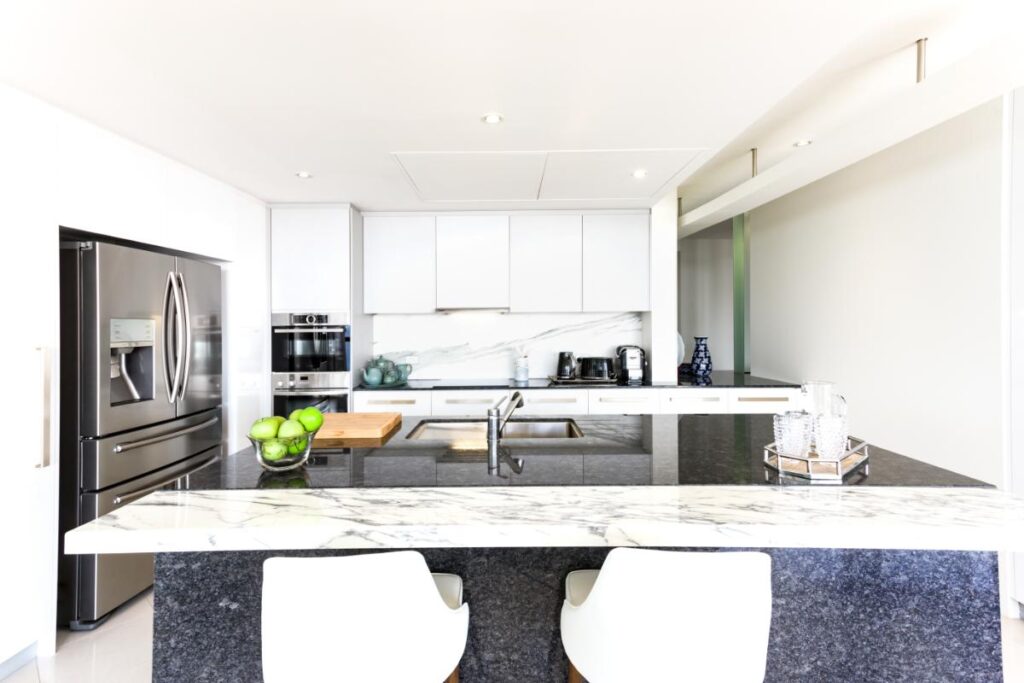
1. Stone Surfaces Are No Longer One-Size-Fits-All
Today’s stone materials go far beyond traditional marble or granite. Options now include natural stone, engineered surfaces, and porcelain slabs, each designed to suit different needs. This variety allows homeowners and designers to choose materials based on performance, budget, and aesthetic goals rather than settling for a single category.
2. Natural Stone Offers Unique Character
Why It Stands Out
Natural stone like marble, granite, and quartzite is valued for its individuality. No two slabs are exactly alike, making each installation one-of-a-kind.
Where It Works Best
Natural stone is often used in:
- Statement kitchen benchtops
- Feature walls
- Outdoor spaces
However, it may require sealing and ongoing maintenance to preserve its appearance.
3. Engineered Stone Brings Consistency and Control
Engineered surfaces are designed to deliver uniform patterns and reliable performance. Unlike natural stone, these materials are manufactured to reduce imperfections and increase durability.
Many modern options also aim to improve safety and sustainability, including the development of low-silica or silica-free alternatives that respond to industry health concerns.
4. Porcelain Is Gaining Popularity Quickly
Porcelain slabs are becoming a strong competitor to both natural and engineered stone. They are lightweight, highly durable, and resistant to heat and stains.
These surfaces are especially useful for:
- Indoor and outdoor kitchens
- Wall cladding
- High-traffic commercial spaces
Their ability to mimic natural stone aesthetics makes them a versatile design solution.
5. Durability Is a Major Selling Point
One of the main reasons people choose stone surfaces is their long lifespan. Many materials are resistant to scratches, chips, and heat, making them suitable for everyday use.
This durability makes stone a practical investment, particularly in busy areas like kitchens and bathrooms.
6. Hygienic Properties Matter More Than Ever
Modern stone surfaces often feature non-porous or treated finishes that prevent liquid absorption and bacterial growth. This makes them ideal for environments where cleanliness is essential, such as food preparation areas.
For households focused on hygiene, this feature can be just as important as appearance.
7. Design Flexibility Has Expanded Dramatically
From Subtle to Bold
Stone surfaces now come in a wide range of styles—from minimalist neutrals to dramatic veining patterns that mimic luxury marble.
Technology’s Role
Advanced manufacturing techniques allow engineered and porcelain surfaces to replicate natural textures with impressive accuracy. This means you can achieve a high-end look without the same level of maintenance.
8. Sustainability Is Becoming a Key Factor
As environmental awareness grows, the stone industry is adapting. Many modern materials incorporate recycled content or reduce harmful components during production.
Choosing more sustainable options can help lower the environmental impact of your project while still achieving a premium finish.
9. Stone Isn’t Just for Benchtops Anymore
While kitchen benchtops remain the most common application, stone surfaces are now used in a variety of creative ways, including:
- Bathroom vanities
- Feature walls
- Flooring
- Custom furniture pieces
This versatility allows designers to create cohesive spaces using a single material across multiple surfaces.
10. Choosing the Right Stone Requires Balance
Selecting the right stone surface involves more than just picking a color. It requires balancing several factors:
- Maintenance requirements
- Durability needs
- Budget constraints
- Intended application
For example, a material that works well indoors may not be suitable for outdoor use, and vice versa.
Conclusion
Lavistone-style offerings highlight how far stone surfaces have evolved. What was once a limited category has expanded into a diverse range of materials that cater to different lifestyles, design preferences, and functional needs.
By understanding the key differences between natural stone, engineered surfaces, and porcelain, you can make more informed decisions for your space. Whether your priority is durability, aesthetics, or sustainability, modern stone surfaces provide options that align with today’s design expectations.