
Every home relies on a network of pipes that quietly carries wastewater away, day after day, without much thought from the people living there. That invisibility is exactly why drainage problems tend to sneak up on homeowners. By the time a clog becomes obvious, the underlying issue has often been building for weeks or months. Understanding the early warning signs can save a household from far more expensive repairs down the line, and in some cases, from health hazards tied to standing water and bacterial growth.
Plumbing researchers and industry associations have long noted that minor drain issues, left unaddressed, are among the most common triggers for larger household water damage claims. The Insurance Information Institute has reported that water damage and freezing account for a significant share of homeowner insurance claims each year, and slow drains are frequently an early contributor. Recognizing the signals early and knowing when the situation calls for professional drain cleaning rather than a quick fix is a practical skill every homeowner benefits from having.
Water That Drains Slower Than Usual
One of the first and most common signs of a developing blockage is slow drainage. A sink, tub, or shower that once emptied quickly but now takes noticeably longer to clear is signaling that something inside the pipe is restricting flow. This is often grease, soap scum, hair, or mineral buildup gradually narrowing the interior diameter of the pipe.
A single slow drain might be isolated to that fixture, but if multiple drains in the house are behaving the same way, the problem may be further down the line, closer to the main sewer connection. That distinction matters because it affects how the issue should be diagnosed and treated.
Recurring Clogs in the Same Location
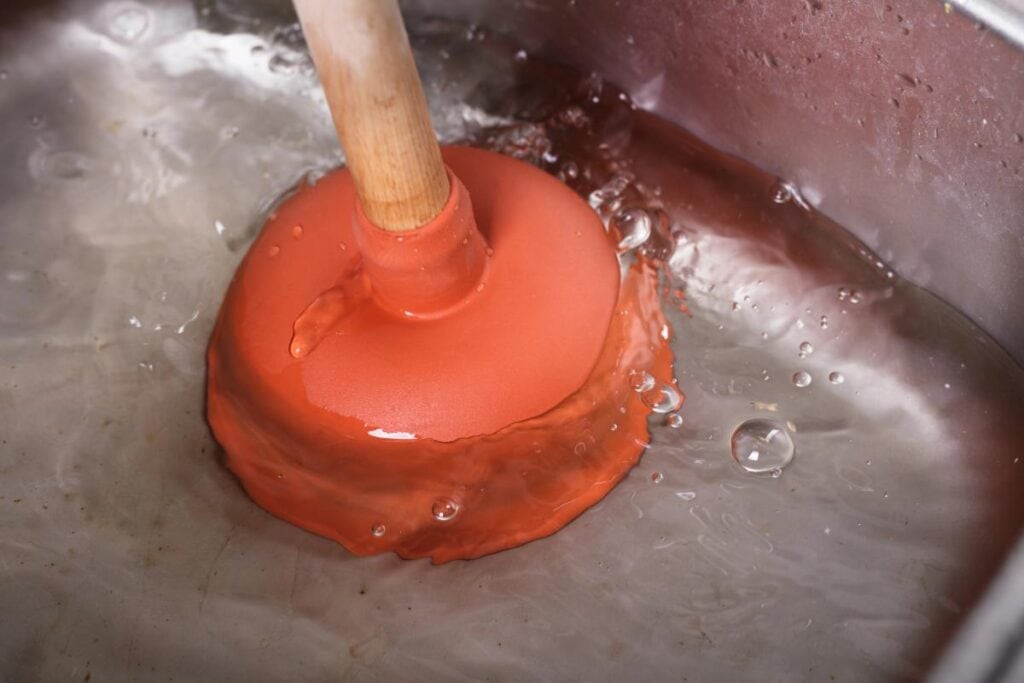
A drain that clears temporarily after using a plunger or a store-bought chemical treatment, only to clog again within days or weeks, is not actually fixed. It is masking a deeper obstruction. Recurring clogs in the same fixture usually mean that whatever is causing the blockage is still there, partially broken up but not fully cleared.
This pattern is one of the clearest indicators that a household needs more than surface-level intervention. At this stage, many plumbers recommend hydro-jetting or mechanical snaking, which are core techniques used in professional drain cleaning, because they physically remove buildup from the interior pipe walls rather than temporarily dissolving a portion of it.
Unpleasant Odors Coming From Drains
Foul smells rising from a sink, shower, or floor drain are usually caused by organic material — food particles, grease, or biofilm decomposing inside the pipe. In some cases, the odor points to a dry P-trap, which is the curved section of pipe designed to hold water and block sewer gases from entering the home. But if the smell persists even after running water, it typically means there is trapped debris generating odor as it breaks down.
Sewer gas odors specifically, which often smell like rotten eggs due to hydrogen sulfide, should not be ignored. According to the U.S. Consumer Product Safety Commission, prolonged exposure to sewer gas in enclosed spaces can pose respiratory risks, making this more than a cosmetic nuisance.
Gurgling Sounds From Pipes or Fixtures
A gurgling noise coming from a toilet after running the washing machine, or bubbles rising in a bathtub drain when the sink is used, indicates trapped air in the plumbing system. This happens when a blockage forces air to find another way out, pushing it back through connected fixtures.
This sign is particularly useful because it often reveals problems in shared drain lines before those problems become visible as standing water or backups. Homes with older cast iron or clay pipe systems are statistically more prone to this kind of blockage-related air displacement, simply because those materials are more susceptible to interior corrosion and root intrusion over time.
Water Backing Up Into Other Fixtures
When flushing a toilet causes water to rise in a nearby shower drain, or running the dishwasher causes water to back up into the kitchen sink, this is a strong indication of a blockage in a shared drain line. Because plumbing systems are interconnected, a clog in one section can redirect wastewater into fixtures that are otherwise functioning normally.
This is one of the more urgent signs on this list, since it suggests the blockage is closer to the main line rather than isolated to a single fixture.
Multiple Slow or Clogged Drains at Once
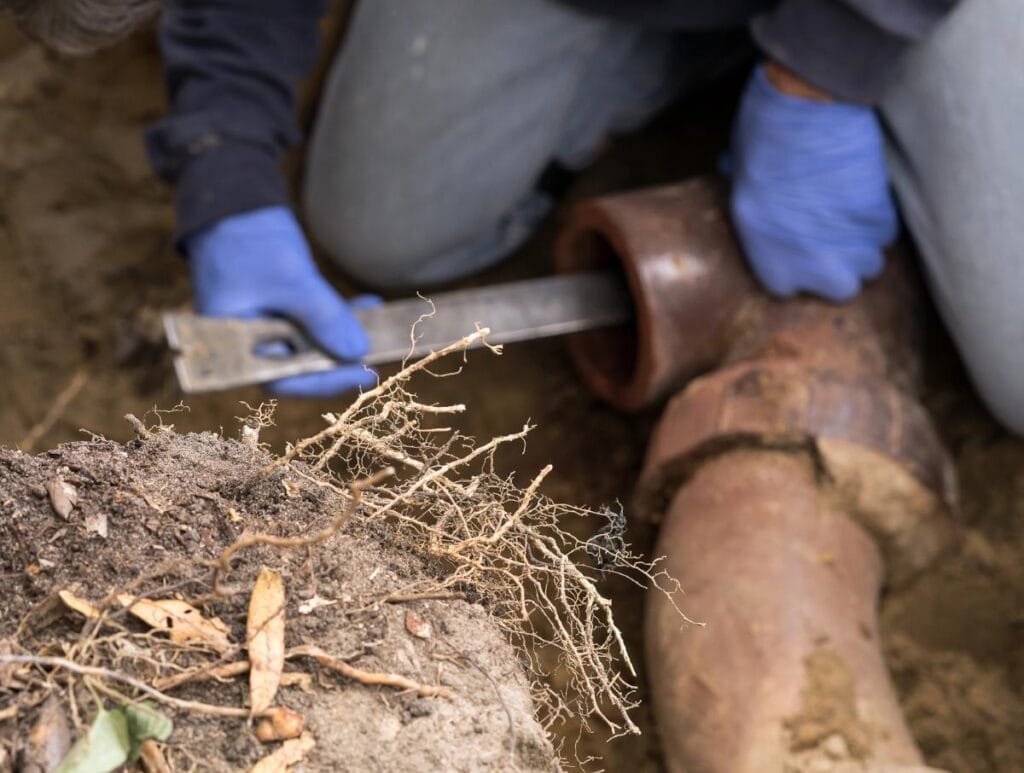
If more than one drain in the house is sluggish or backing up at the same time, the issue is rarely coincidental. It usually points to a problem in the main sewer line rather than in individual fixture pipes. Tree root intrusion, pipe collapse, or significant grease accumulation are common culprits in these cases.
The following list summarizes the most frequent causes plumbing professionals identify when multiple drains are affected simultaneously:
- Tree root growth infiltrating older or cracked sewer pipes
- Grease and fat buildup accumulated over years of kitchen drain use
- Foreign objects lodged in the main line, such as wipes or sanitary products
- Pipe misalignment or partial collapse due to ground shifting or age
- Mineral scale buildup in homes with hard water
Because these causes require specialized equipment to diagnose accurately, this scenario is generally beyond the scope of DIY tools like plungers or drain snakes.
Standing Water Around Floor Drains
Basements, garages, and utility rooms often include floor drains designed to handle overflow or appliance discharge. Standing water pooling around these drains, rather than draining away, suggests a blockage farther down the line. It should be addressed promptly, particularly in humid areas, because the Environmental Protection Agency recommends drying wet materials within 24 to 48 hours to help prevent mold growth.
Fruit Flies or Drain Flies Appearing Repeatedly
Small flies hovering near a kitchen or bathroom drain are often overlooked, but they are a meaningful signal. Drain flies, sometimes called moth flies, breed in the organic gunk that lines the inside of slow or partially clogged pipes. Their repeated presence, even after cleaning the visible drain opening, indicates buildup that extends beyond what a household cleaning product can reach.
Unusually High Water Bills
A gradual, unexplained rise in water usage can sometimes be traced back to a hidden leak connected to a partially blocked or damaged drain line. While not every water bill increase points to a drainage issue, it is worth investigating alongside other symptoms on this list, particularly if combined with damp spots on walls, floors, or ceilings.
Visible Corrosion or Pipe Damage
Homes with exposed plumbing, such as under sinks or in basements, sometimes show visible signs of pipe deterioration, rust-colored stains, warping, or small leaks at joints. This kind of physical damage, especially in homes over 40 years old, often coincides with interior blockages, since corrosion roughens pipe walls and gives debris more surface area to cling to.
Final Analysis
Drainage problems rarely appear out of nowhere. They tend to build gradually, offering small but noticeable clues along the way: a slower sink, an odd smell, a gurgling pipe. Recognizing these signs early gives homeowners the chance to address the root cause before it escalates into a backup, a leak, or structural pipe damage.
For isolated, minor slowdowns, simple maintenance may be enough. But when multiple signs overlap, or when the same clog keeps returning despite repeated attempts to clear it, that pattern usually points to a deeper obstruction that basic tools cannot fully resolve. In those situations, professional drain cleaning offers a more thorough solution, since trained technicians can inspect the pipe interior, identify the exact location and cause of a blockage, and clear it using equipment designed for that purpose. Paying attention to these ten signs, and understanding what they typically indicate, is one of the most practical ways homeowners can protect their plumbing system and avoid larger, costlier problems down the road.