
Understanding candidate criteria, recovery expectations, and long-term care helps patients make informed decisions about restorative dental treatments.
Restorative dental procedures demand careful preparation, evaluation, and clear patient understanding before treatment. Missing teeth can complicate chewing, alter your speech patterns, and impact your everyday comfort.
Replacing those missing teeth with dental implants offers a sturdy path back to normal oral function. Knowing what lies ahead helps you take control of your treatment plan with total clarity.
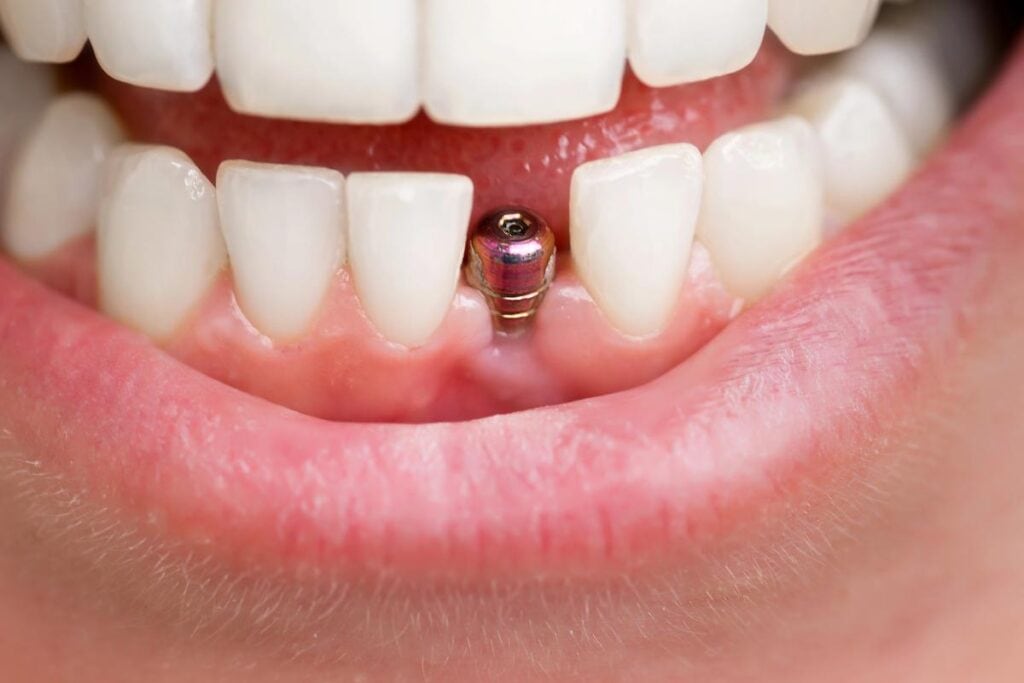
How Do Dentists Evaluate Your Candidacy and Jawbone Health?
Your dental surgeon begins by assessing your mouth through comprehensive 3D scans and digital imaging. They inspect your gums for inflammation and measure bone density in your upper and lower jaws. Implants require a solid foundation of healthy bone to hold titanium posts securely in place.
When bone loss occurs after tooth extractions, your surgeon may recommend preliminary bone grafting. This procedure rebuilds thinning ridge areas so that your jaw can support new posts. Chronic medical conditions like unmanaged diabetes can slow healing, which makes a full medical review a necessary first step. Clear communication regarding your health history keeps the surgical process predictable.
What Alternative Restorative Options Can You Explore?
You might discover that traditional implants do not fit your immediate preferences or budget. Visiting a trusted Helena denture clinic allows you to discuss removable prosthetics or implant-supported overdentures with experienced providers. These customized appliances restore your chewing strength and preserve your natural facial contours without extensive bone surgeries. Your dentist will explain whether partial dentures, full arches, or hybrid bridges match your daily lifestyle best.
Comparing each approach helps you select a treatment that fits your pocketbook and comfort expectations. Removable partial dentures replace individual missing teeth at a lower upfront investment, while full plates address complete arches. Asking detailed questions during your initial consultation clarifies which tooth replacement path fits your routine.
What Does the Treatment Timeline and Recovery Look Like?
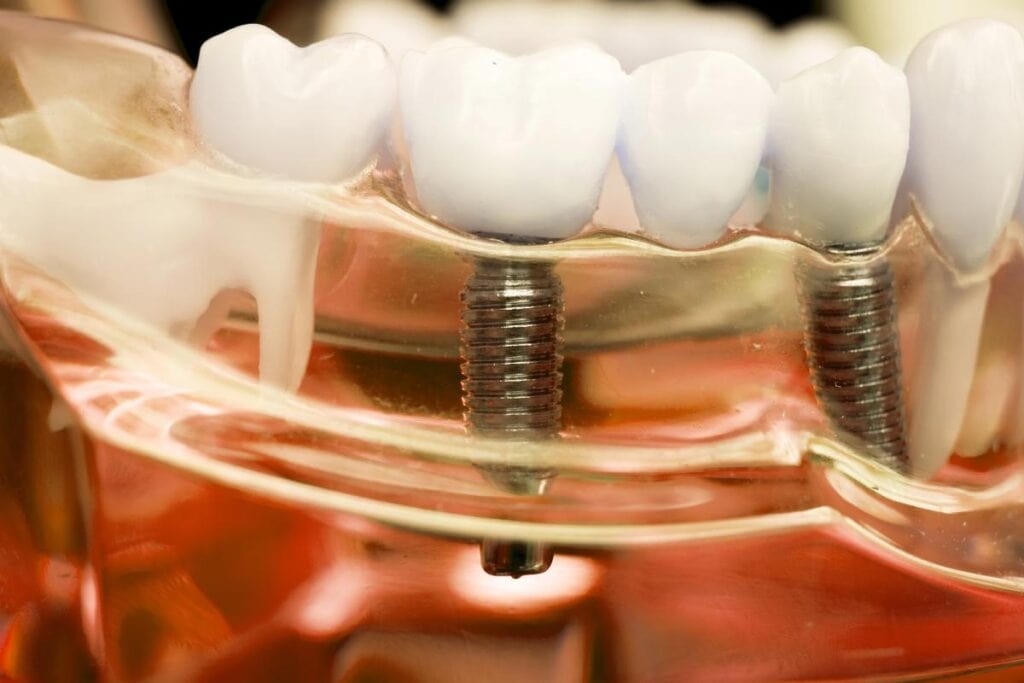
Restoring a smile is a phased journey rather than a single appointment. The initial surgical placement takes one to two hours per tooth, after which your body begins osseointegration. During this biological phase, your jawbone fuses directly with the titanium post across three to six months.
Mild swelling and tender gums are common during the first three days after surgery. You can manage discomfort with ice packs and prescribed or over-the-counter pain medications while sticking to soft foods like yogurt and soups. Taking smart precautions during the initial healing window keeps your surgical site clean and protected:
- Protect the blood clot: Avoid vigorous mouth rinsing, drinking through straws, or spitting during the first 24 hours.
- Choose nutrient-rich liquids: Drink lukewarm broths, fruit smoothies, and pureed vegetables to keep your strength high without irritating tender tissues.
- Clean with gentle precision: Brush your remaining natural teeth gently with a soft-bristle toothbrush while avoiding direct contact with raw incision lines.
How Do You Protect Your Investment with Long-Term Maintenance?
Caring for your new teeth requires consistent daily attention and professional monitoring. According to Cleveland Clinic, dedicated daily oral hygiene and routine checkups can keep your replacement teeth functioning for the rest of your life. Titanium components never develop cavities, but bacteria can still infect surrounding gums if plaque builds along the collar.
Floss with specialized nylon thread and schedule professional cleanings twice each year. Night guards can prevent harmful clenching forces from loosening the abutment screws if you grind your teeth while sleeping. Maintaining strong oral hygiene habits keeps your gums firm, pink, and disease-free.
You deserve a treatment plan that fits your personal goals and lifestyle. Consulting qualified professionals allows you to assess your personal dental needs, ask detailed questions, and explore suitable options before committing to surgery. You can move forward with confidence and enjoy a strong, comfortable smile for decades.