
Stacking boxes in a hallway creates a physical maze that children find impossible to ignore. A roll of brown packing tape and cardboard can change a stressful day into a creative session. Most parents realize that a good move depends on how the smallest family members handle the change. Maintaining a routine helps children feel secure while the environment changes around them every single day.
When parents take the time to explain the process, children feel like active participants in the event. This proactive approach reduces the likelihood of emotional outbursts and helps maintain a sense of order. Clear communication serves as the foundation for a peaceful transition. It allows kids to process the change at their own pace. Focusing on engagement turns a logistical hurdle into a bonding experience that the whole family can handle.
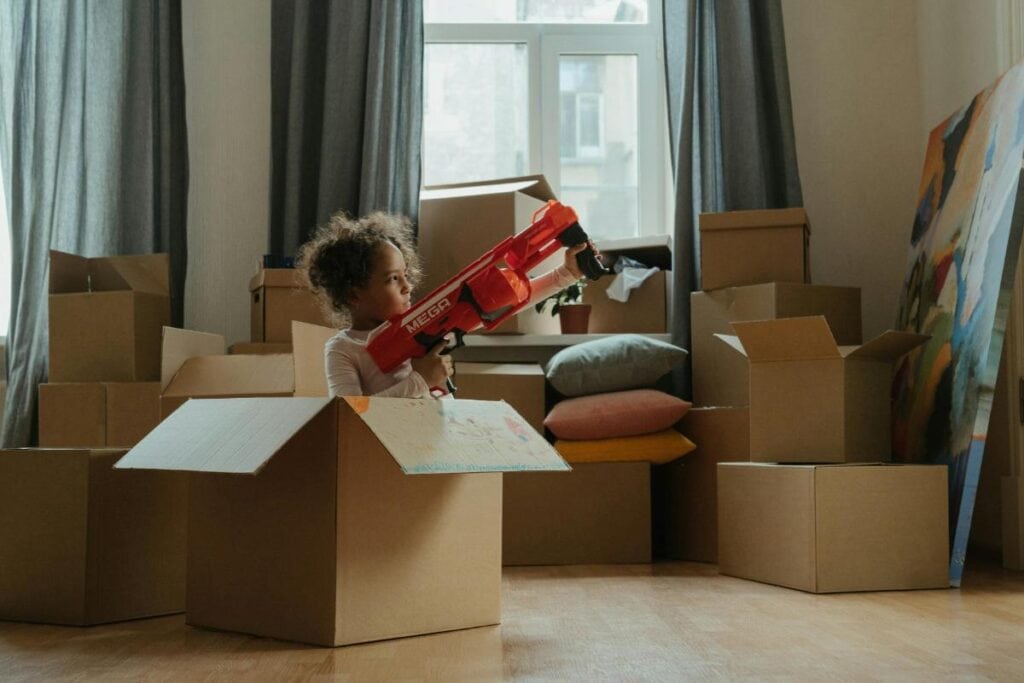
Photo by cottonbro studio
Prioritizing Logistics for a Smoother Transition
The technical side of a move often sets the stress levels for the entire household. If the parents are overwhelmed by paperwork and scheduling, that anxiety naturally reaches the children. Finding reliable professionals to manage the heavy lifting allows you to stay present with your family. Expert coordinators like Coastal Moving Services suggest that early preparation is the best way to protect your peace.
Choosing the Right Support
Selecting a service provider involves more than just finding a truck. You need a partner that knows how residential moves work across the country. Consider these factors when you check your options.
- Verify the licensing through official federal databases to ensure your items are in safe hands.
- Request a clear estimate that breaks down the costs of packing and transport.
- Look for planning services that account for the layout of your home and your timeline.
- Ask about vehicle transport options if you have multiple cars but only one driver.
Managing the Timeline
A well organized schedule prevents the last minute rush that leads to bad moods. Start the process at least eight weeks early by clearing out rooms you use the least. This gradual approach makes the task feel manageable rather than impossible. You might find that organizing your home becomes a much simpler task when you tackle one room at a time.
Turning Packing Into a Creative Project
Children often feel sad when they see their favorite things disappear into dark brown boxes. You can change this by giving them power over the decoration of their own containers. Provide a set of markers and stickers so they can draw what stays inside each box. This activity keeps them busy for hours and makes the unpacking process much easier later.
Creating a First Night Kit
The shift into a new house goes better when the essentials are ready to use. Instead of digging through dozens of sealed boxes, have your children prepare a special bag.
- Ask them to choose their favorite pajamas and a stuffed animal that provides comfort.
- Include a few books or a handheld game to provide fun while furniture moves in.
- Pack a set of toiletries and a towel for a warm bath before bed.
- Add a small flashlight to help them find the bathroom in an unfamiliar hallway.
Box Decoration Stations
Set up a spot in the living room where kids can work on their box art. Giving them a dedicated workspace honors their help with the family goal. When they see their work go on the truck, they feel proud of their help. This shift in thinking turns a chore into a hobby that helps the whole relocation.
Designing a Moving Day Scavenger Hunt
The day of the move is the most hectic time for any family. Creating a simple scavenger hunt can keep children away from the path of movers. List items for them to find like a blue suitcase or a roll of bubble wrap. This keeps their minds off the stress of leaving their old room.
Documenting the Memories
Older children can act as the family historian by capturing the big day. This gives them a purpose and a way to say goodbye to their old home.
- Younger photographers can take photos of every empty room after the furniture leaves.
- Recording short videos of family members talking about favorite memories is another great task.
- They might enjoy photographing the moving truck and the crew as they work.
- Finally, have them search for unique neighborhood details they want to remember.
Staying Safe and Active
Safety is a top priority when heavy items move through narrow doorways and hallways. According to the American Academy of Pediatrics, giving children age appropriate tasks helps them stay strong during changes. Keeping them busy with a hunt ensures they stay in a safe zone. This balance of safety and activity is vital for a positive day.
Educational Games and Regional Logistics
Moving offers many chances to practice basic math and geography skills. Ask your children to help you count the boxes in each room of the house. If you are moving across state lines, use a map to trace the route you take. This turns a long car ride into a live geography lesson that feels like an adventure.
Exploring the Route
The drive to a new residence can be a great lesson if you plan stops. Looking at the land and seeing different trees or buildings sparks curiosity about the new area.
- Research interesting landmarks along the highway to make the drive feel like a road trip.
- Use a watch to time how long it takes to cross state lines.
- Identify different types of trucks on the road from freight trucks to car haulers.
- Keep a bag of easy crafts in the backseat to give them a quiet outlet.
Real World Problem Solving
Ask your children to help solve small puzzles like which toys fit in the trunk. These small choices give them power and teach them about space and planning. When children understand the logic of the packing, they feel less frustrated by the lack of space. This teamwork makes the journey feel shorter and more fun for the whole group.
Establishing a Comfort Zone in the New House
The first few hours in a new home are vital for helping a child settle. Before you start hanging pictures in the living room, set up the kids’ bedrooms first. Having their beds made and their toys ready provides an immediate feeling of safety. It gives them a quiet spot while adults organize the rest of the house.
Settling Into the New Neighborhood
Kids need more than just unpacked bags to see their new life clearly. Helping them feel at home requires a focus on the world outside the front door. High levels of stress can affect how kids grow. The National Institute of Mental Health notes that stable environments are very important during big life changes.
- Take a walk around the block to find the nearest park or library.
- Locate the local school to help them feel familiar with what they will see.
- Visit a local ice cream shop to create a happy first memory of the town.
- Introduce yourselves to the neighbors to show your children that the community is friendly.
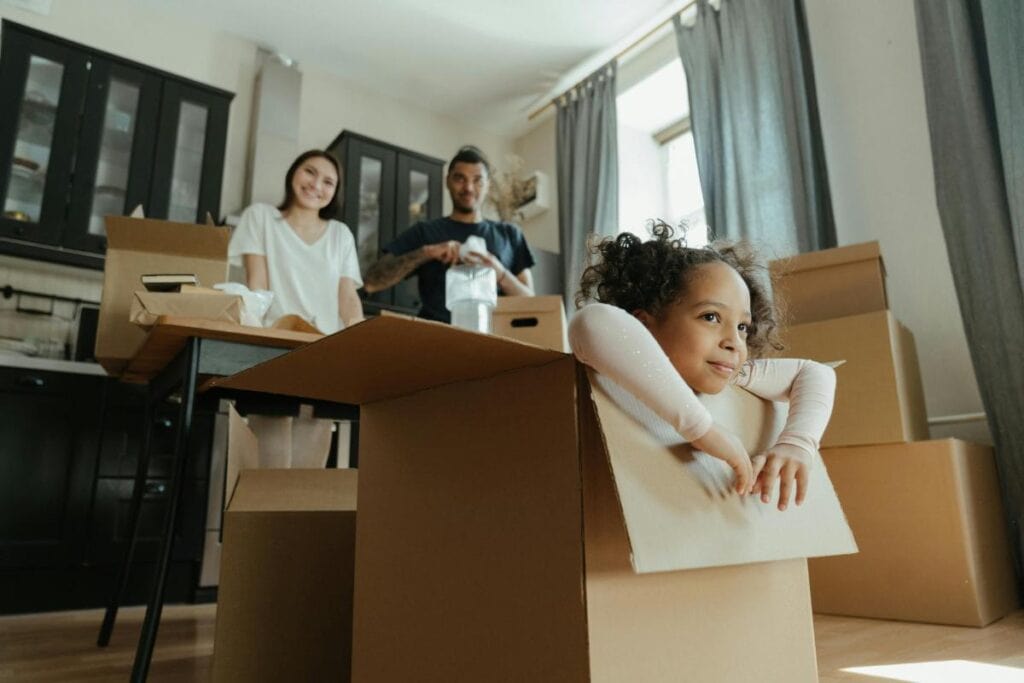
Photo by cottonbro studio
Creating Lasting Family Memories
A family milestone emerges when you include children in the small details of the move. It is about how the family stays connected during a time of big change. By involving children in the process, you turn a challenge into a lasting memory.
The goal is to reach the new door with everyone feeling ready for a fresh start. Everyone should feel like the new residence is home before the first night ends. This positive focus ensures the whole family starts their next chapter with joy and confidence.