
Cooking over a fire gives your loved meats wonderful, smoky flavours, but it also carries a lot of responsibility. Without proper safety precautions, working with hot coals and extreme heat can be fatal. To protect your house, your family, and your guests, you need to obey very clear operational rules. This article breaks down the seven safety rules you should observe every time you start up the grill.
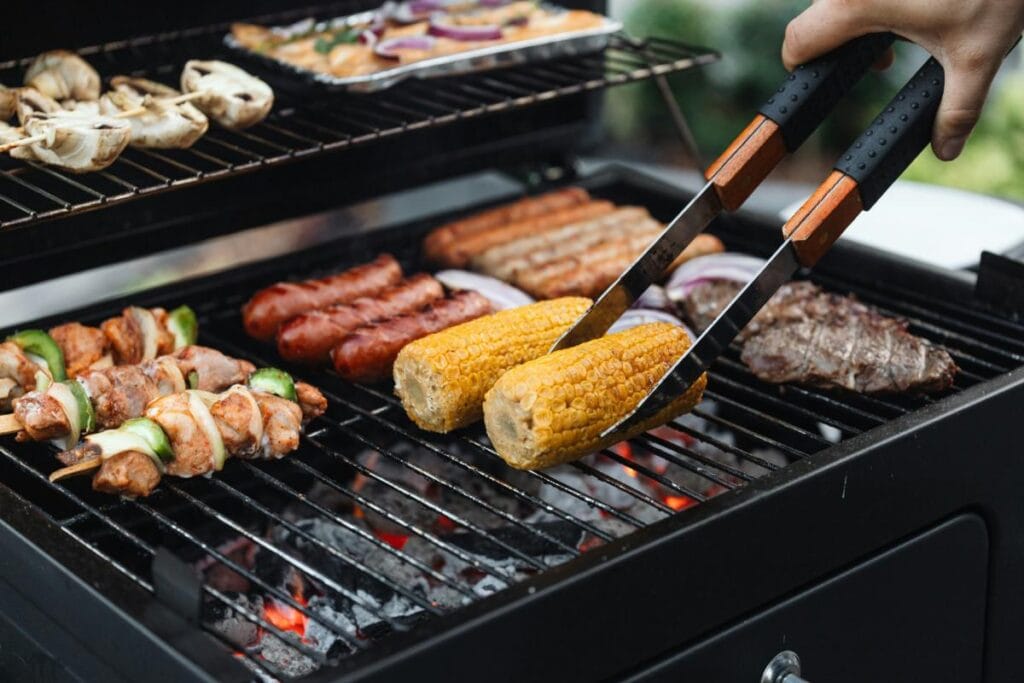
1. Keep Your Cooker Outdoors and Far Away From Structural Walls
Never use a live fire cooker inside a garage, on a porch, or in an enclosed patio area under any circumstances. Carbon monoxide gas is dangerous and can build up quickly when briquettes are burned. If it gets trapped, it can poison people terribly.
Your cooking device should always be out in the open air to help remove hazards from the fire and smoke. The station must be at least ten feet away from your house walls, wooden deck railings, and low-hanging branches. Open spacing like that prevents rogue sparks from igniting nearby buildings or dry autumn foliage if left on their own.
2. Set Up on a Perfectly Flat, Solid, and Fireproof Surface
A top-heavy grill filled with glowing coals could set off a catastrophic fire if it tips over onto your lawn or deck. Always place your cooking unit on a perfectly level and stable surface like concrete, brick, or stone pavers.
Don’t set your hot setup on dry grass, loose gravel, or unprotected wooden flooring. This top-quality charcoal bbq provides a safe and sturdy structure to your outdoor kitchen. The foundation ensures your hot briquettes remain securely contained exactly where they belong.
3. Use Only Approved Starters and Never Squash Flare-Ups with Petrol
Never directly pour liquid lighter fluid, petrol, or kerosene onto hot or warm coals to boost the flames. These volatile liquids can instantly vaporise, causing a massive explosion that can inflict severe facial burns.
If your flames need a boost, just add several more dry briquettes or manually fan with a hand. Keeping dangerous accelerants away from your cooking station leaves the fire entirely under control and keeps people safe.
4. Wear Heat-Resistant Gloves and Long-Handled Metal Cooking Tools
Flipping food across your feet subjects your bare hands and forearms to intense radiant heat and flare-ups. Don’t forget to keep your wrists covered with a pair of high-quality, insulated leather grilling gloves. Consider using long, heavy-duty tongs and spatulas to get a proper distance away from the cooking surface.
Don’t wear loose-fitting clothes, dangling aprons, or synthetic fabrics that can ignite easily if they come into contact with the hot grate. Proper cover keeps your skin protected from hot grease splattering and unexpected heat bursts.
5. Control Intense Grease Fires by Closing the Ventilation Dampers
When fats run off your meat onto the hot coals underneath, it can trigger sudden, aggressive flare-ups that scorch your food. If there is a serious grease fire to be controlled, do not pour water on these flames, because this creates a huge, risky explosion of hot steam and grease.
Instead, just close the lid and turn the built-in air vents to starve the fire of oxygen. Keeping control of the airflow lets you calm the flames safely, without creating a hazardous mess. It prevents your cooking temperature from jumping while shielding your eyebrows from sudden flickers of heat.
6. Monitor the Cooking Station Continuously Until the Fire is Out
One should never leave an active fire unattended, even for a quick minute, to grab a cold drink from the kitchen. Wind gusts can pick up suddenly, blowing hot ash out of the bowl and onto your dry lawn or deck boards.
Designate a dedicated adult to supervise the cooking area until all the food is cooked and the vents are sealed. Keeping children, energetic pets, and outdoor lawn games far away from the hot perimeter is to prevent accidental bumps.
7. Extinguish and Dispose of Your Coals with Absolute Care
After your cooking session has ended, completely close all the dampers to choke out the remaining fire. Allow the ash to cool completely inside the sealed bowl for at least forty-eight hours before you attempt to empty it.
Touching coals that appear grey and dead can surprise you, as they often harbour intense heat inside for days. For the utmost safety, pour plenty of water over the old ash before wrapping it in heavy aluminium foil. Place the damp waste into a non-combustible metal bin rather than a plastic trash can.
Maintaining a Safe and Fun Outdoor Cooking Environment
Compliance with these basic safety rules ensures that your backyard cookouts remain entirely enjoyable, delicious, and accident-free. This proactive approach gives you everything you need to cook amazing meals for your family.
You will have no fears of backyard accidents if you treat your cooking equipment with due respect. Take charge of your grilling safety early so you can enjoy the wonderful smoky traditions of outdoor dining with total confidence.