

Property management demands a sharp eye and a proactive approach. Property managers handle numerous responsibilities to keep buildings safe, comfortable, and efficient for tenants. While daily upkeep addresses immediate concerns, seasonal changes require a more strategic view. Early preparation for shifts in weather prevents sudden equipment failures and eliminates costly emergency repairs.
A comprehensive schedule ensures that vital infrastructure receives attention before operational stress peaks. When temperatures rise, tenants expect immediate comfort, which places a heavy burden on cooling systems. This is why commercial air conditioning maintenance stands as a critical task for the spring months. Regular care extends the lifespan of expensive equipment, lowers monthly utility expenses, and maintains high indoor air quality. This guide highlights the essential tasks that keep properties in peak condition throughout the year.
1. Inspect Roofs and Clear Gutters
Heavy rain, snow, and wind take a toll on building tops. Property managers should arrange comprehensive roof inspections twice a year to spot cracks, loose shingles, or membrane tears. Clogged gutters lead to water backup, which creates severe leaks and structural damage over time. Clear debris from downspouts to allow proper drainage during intense storms.
2. Service the Cooling System
Before summer heat arrives, a thorough tune-up of cooling units prevents unexpected breakdowns. Property managers should hire certified technicians to clean coils, verify refrigerant levels, and inspect electrical connections.
- Replace air filters to improve airflow.
- Calibrate thermostats for accurate temperature control.
- Clear condensate drain lines to prevent water damage.
3. Assess the Exterior Envelope
Winter frost and summer heat cause building materials to expand and contract. Examine outer walls for cracks in brickwork or concrete, and check window seals for gaps. Structural integrity relies heavily on a solid outer barrier against weather extremes. Regular structural checkups help intercept minor damage before water intrusion impacts the interior framework.
4. Test Fire Safety Equipment
Safety remains the top priority for any commercial space. Schedule regular tests for smoke detectors, carbon monoxide alarms, and strobe lights to ensure compliance with local codes. Inspect fire extinguishers to verify pressure levels and check expiration dates. Property managers must also ensure that exit signs remain illuminated and emergency paths stay clear of obstructions.
5. Prepare the Landscape for Seasonal Shifts
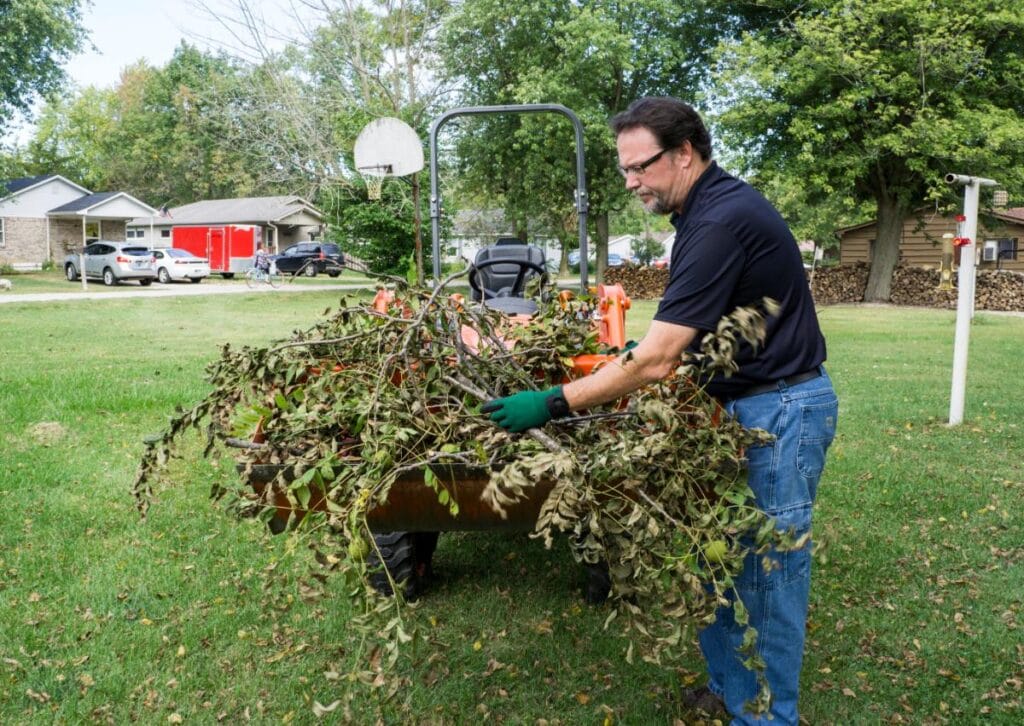
Outdoor spaces create the first impression for visitors and tenants. Prune dead branches from trees to eliminate safety hazards during high winds. Healthy grounds boost curb appeal and project a highly professional image to the community. Clear sightlines near entryways also enhance safety and support overall site security.
Useful tips:
- Adjust irrigation timers to match seasonal rainfall patterns.
- Apply mulch to flower beds to retain soil moisture.
- Inspect walkways for cracks that cause trip hazards.
6. Optimize the Heating Unit
As autumn approaches, attention must shift back to warmth and comfort. Technicians should inspect heat exchangers, test burners, and verify safety controls before the first cold snap arrives. A well-maintained system operates efficiently and prevents sudden failures during winter.
7. Audit Exterior and Interior Lighting
Shorter days require reliable illumination across the entire property. Walk the grounds at night to identify dark spots in parking lots, walkways, and stairwells. Replace burnt-out bulbs with energy-efficient alternatives to boost security. Timely updates to timers and motion sensors ensure that lights activate exactly when needed, which keeps tenants safe and lowers energy waste. Commercial air conditioning maintenance and regular electrical checks together create a dependable foundation for overall property wellness.
Consistent upkeep protects property value and keeps tenants satisfied throughout every season. A structured checklist transforms chaotic reactive fixes into calm, planned updates that save money over time. Property managers who invest effort into early inspections reduce unexpected disruptions and create a reputation for excellent management. Commitment to these seven core tasks ensures that buildings remain efficient, safe, and welcoming all year long.