
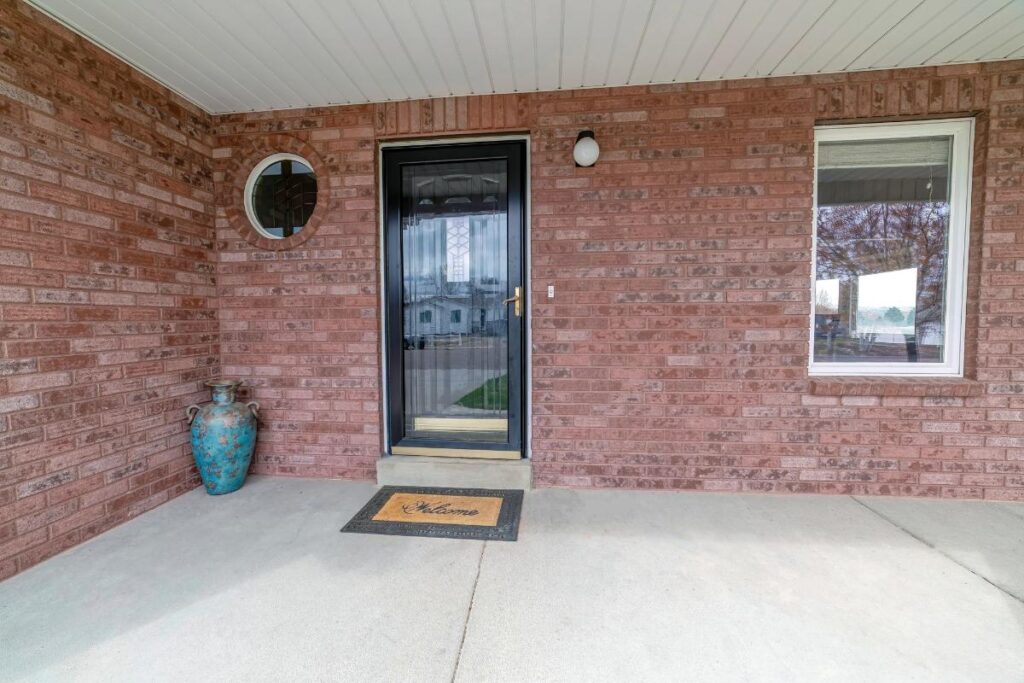
Brick exteriors are known for their durability and timeless appeal, but like any building material, they can show signs of wear over time. Understanding the early indicators of brick deterioration is crucial for maintaining your home’s appearance and structural integrity. Common signs include crumbling mortar, cracked bricks, and white deposits called efflorescence, which indicate moisture problems.
Addressing these issues promptly can prevent more serious damage. Ignoring small cracks or weakened areas can lead to further deterioration and costly repairs. Regular inspections and timely brick repair help extend the life of your exterior and preserve your home’s value. Whether replacing damaged bricks or repointing mortar, proactive care is key to keeping your home safe and looking its best.
Cracks in Bricks or Mortar Joints
Cracks are some of the earliest and most conspicuous warning signs that your brickwork may be compromised. These fractures can differ in appearance and severity:
- Vertical or Horizontal Cracks: Often arise from normal structural settlement or excess pressure, and can be found running straight through bricks or mortar lines.
- Stair-Step Cracks: Typically traverse mortar joints in a zigzag pattern, signifying foundation movement or shifting.
- Hairline Cracks: While initially small, these can allow moisture penetration, gradually weakening masonry and fostering hidden damage.
Regardless of size, any crack should be evaluated swiftly to determine whether professional intervention is necessary. Minor fissures can escalate into serious problems, including interior water damage and compromised structural stability.
Bulging or Bowing Walls
Bulging or bowing walls often indicate brick deterioration, signaling deeper structural issues that may compromise your home’s stability. These distortions can result from moisture infiltration, foundation movement, or the natural aging of materials. As the bricks shift or push outward, assessing the severity and underlying cause is essential. Masonry repair often becomes necessary to restore structural integrity and prevent further damage. Addressing these signs early helps avoid costly repairs and ensures your home remains safe and sound.
Efflorescence
A chalky, white residue on brick surfaces—known as efflorescence—signals the presence of water-soluble salts drawn to the surface by moisture migration. While it may seem only cosmetic, efflorescence points to problematic moisture infiltration that, left unchecked, can damage masonry and accelerate deterioration. Routine cleaning and managing internal moisture sources can mitigate future occurrences.
Spalling Bricks
Spalling means the surface of the brick chips, flakes, or crumbles away. This is usually caused by repeated freeze-thaw cycles or prolonged exposure to water. Over time, spalled bricks lose their structural integrity and can fall away, compromising the wall’s stability. Replacing damaged bricks and remediating moisture issues will help safeguard the remaining structure.
Deteriorating Mortar
Mortar serves as the glue that holds brickwork together. Signs of failing mortar include gaps, crumbling, or erosion between bricks. Damaged mortar joints allow moisture and pests to penetrate more easily, accelerating overall wall deterioration. Repointing—removing the old mortar and replacing it—can restore the wall’s strength and performance.
Water Infiltration and Dampness
Moisture ingress is often first noticed as damp spots, mold, or salt deposits on interior walls. Brick is naturally porous, but poor sealing, faulty gutters, or landscape drainage can expose it to elevated water levels. Effective sealing, gutter repairs, and landscaping upgrades can all help block further intrusion. The Environmental Protection Agency (EPA) offers resources on mold risk and water damage for concerned homeowners. If you notice mold or persistent moisture issues, it’s crucial to hire a qualified professional. Look for someone who can provide proper certification, and check this mold certification guide to verify their credentials and ensure safe, compliant remediation.
Discoloration or Staining
Unusual stains—like dark marks, greenish mold, or rust—often indicate water leaks, mold development, or corroding metal ties within the wall. Prompt cleaning and targeted repairs can not only restore visual appeal but also halt deeper issues from taking hold. Address the source of moisture or corrosion to prevent stains from recurring.
Taking care of your brick exterior is one of the best ways to protect both its charm and its strength. Catching problems early, like cracks, worn mortar, or signs of moisture, can save you from bigger, more expensive repairs down the road. With regular checkups and a bit of timely upkeep, your brickwork can stay solid, beautiful, and dependable for many years to come.