
Let’s be honest: nobody gets excited about their utility bill. You open it, cringe a little, and then go about your day hoping it magically decreases next month. (It never does.)
The good news is that lowering your monthly bills doesn’t have to mean freezing in the dark or taking two-minute showers. Most of the biggest savings come from small, easy changes you can make around the house, many of which cost next to nothing to implement.
Here are seven genuinely effective ways to start seeing a difference on your next statement.
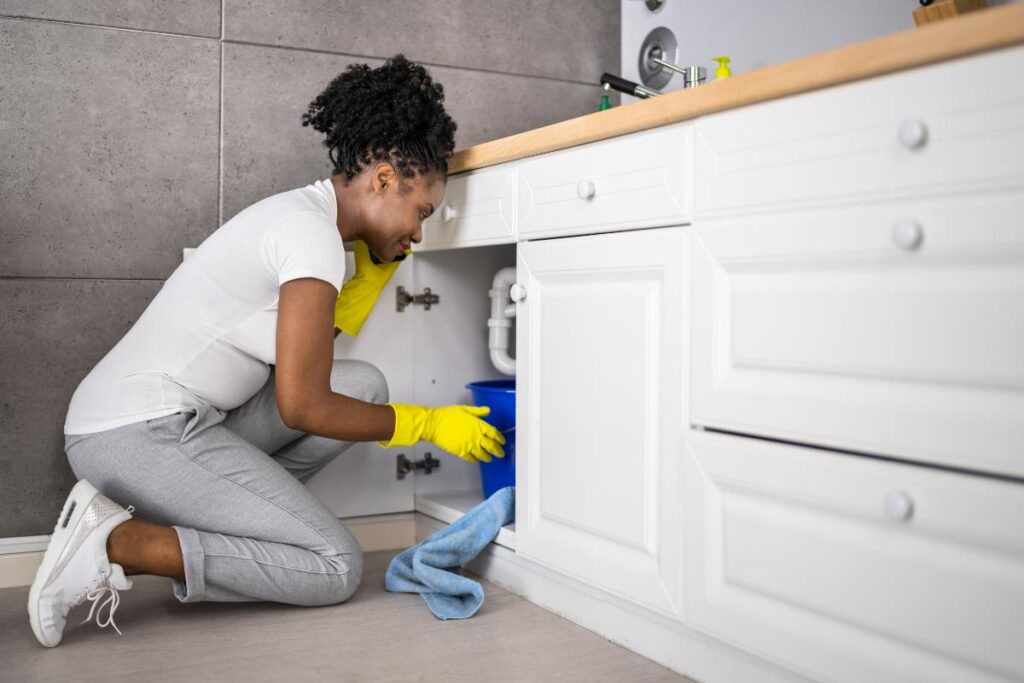
1. Fix Leaky Faucets (Seriously, Don’t Put This Off)
A faucet that drips once per second wastes more than 3,000 gallons of water a year. That’s not a typo. It’s also not a small line item on your water bill.
Most dripping faucets are caused by a worn washer or O-ring, and a basic fix can run under $10 at the hardware store. But if you’ve got multiple leaks, running toilets, or an issue you can’t quite locate, it’s worth calling in a professional. A licensed plumber can often identify and fix multiple issues in a single visit, which more than pays for itself in water savings over time.
Bottom line: don’t let the low-grade annoyance of a dripping faucet become a high-grade line item on your bill.
2. Swap Out Your Showerhead
If your showerhead is more than ten years old, there’s a good chance it’s using 2.5 gallons of water per minute or more. Modern WaterSense-certified showerheads use as little as 1.5 gallons per minute and most people genuinely can’t tell the difference in water pressure.
A quality low-flow showerhead typically costs between $20 and $50 and takes about ten minutes to install. For a household of four, the savings on both water and water-heating costs can easily reach $100 or more per year.
3. Give Your Water Heater Some Attention
Water heating typically accounts for around 18% of a home’s energy use, which makes it one of the higher-leverage places to look for savings.
Start with the thermostat setting. Most water heaters ship set to 140°F, but 120°F is perfectly safe for most households and can cut water heating costs by 6–10%. You should also consider wrapping an older tank in an insulating blanket (they’re inexpensive and available at any home improvement store) to reduce standby heat loss.
If your water heater is over 10 to 12 years old, it may be running significantly less efficiently than a newer model. It’s worth getting an estimate on a replacement, especially if you’ve noticed it taking longer to recover between uses.
4. Seal Up Air Leaks Around Doors and Windows
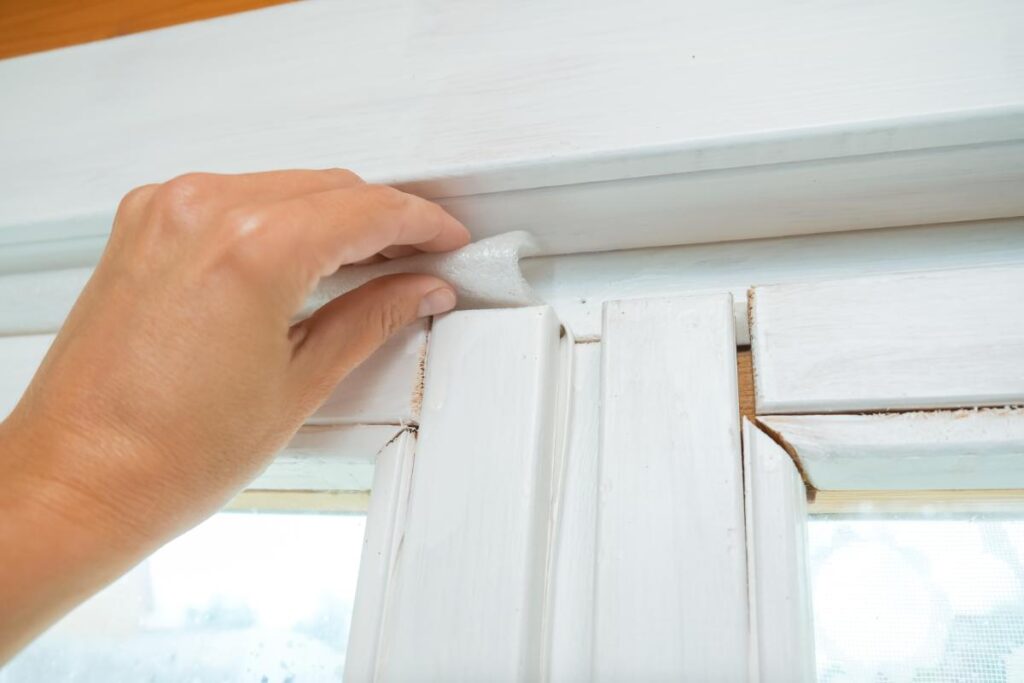
Heating and cooling your home accounts for nearly half of the average energy bill. That’s a lot of money to spend on air that might be leaking straight out through gaps around your windows and doors.
Hold your hand near window frames, door edges, and electrical outlets on exterior walls on a windy day. If you feel a draft, you’ve found a culprit. Weatherstripping and caulk are both inexpensive and easy to apply, and sealing those gaps can reduce heating and cooling costs by up to 20%.
This is one of those rare home improvement tasks where the effort-to-reward ratio is genuinely excellent.
5. Use Your Appliances More Strategically
This one doesn’t require any purchases or installations, just a few habit shifts. Running your dishwasher and washing machine during off-peak hours (typically evenings or weekends) can lower electricity costs if your utility company uses time-of-use pricing. Check your most recent bill or call your provider to find out.
A few other easy wins: always run full loads, use cold water for laundry when possible (modern detergents work just fine in cold), and clean your dryer’s lint filter before every load. A clogged lint filter makes your dryer work harder, use more energy, and is also a fire hazard, so this one’s a win-win.
None of these feel like big sacrifices, but collectively they add up across a year.
6. Switch to LED Bulbs (If You Haven’t Already)
If your home still has incandescent bulbs, this is probably the single fastest return on investment available to you. LED bulbs use about 75% less energy than incandescents and last up to 25 times longer.
The upfront cost has come down dramatically in recent years. You can often find multi-packs for just a few dollars. And because they run cooler than incandescent bulbs, they’ll also put a tiny bit less strain on your air conditioning in the summer.
Start with the lights you use most, which are probably in the kitchen, living room, bathrooms. Then, work your way through the rest as your current bulbs burn out.
7. Install a Programmable or Smart Thermostat
If you’re still manually adjusting your thermostat (or worse, just leaving it at the same temperature all day), a programmable thermostat is one of the better investments you can make for your utility bill.
The idea is simple: you set it to run less aggressively while you’re asleep or away, and return to your preferred temperature before you wake up or get home. The EPA estimates that doing this consistently can save around $180 per year on heating and cooling costs.
Smart thermostats like Nest or Ecobee go a step further by learning your schedule and adjusting automatically. They’re more expensive upfront (usually $150 to $250), but most homeowners recoup that cost within a year or two.
Installation is generally straightforward for a standard forced-air system, though if you have an older or less common HVAC setup, it’s worth having a pro take a look first.
A Few Dollars at a Time
None of these tips require a major renovation or a significant lifestyle change. Most of them can be done in an afternoon, and several cost little to nothing to implement. The key is treating your home as a system: find where the waste is happening and plug the leaks, literally and figuratively.
Start with the items that feel most accessible to you, track your bills for a few months, and you’ll likely be surprised by the difference small, consistent changes can make.