
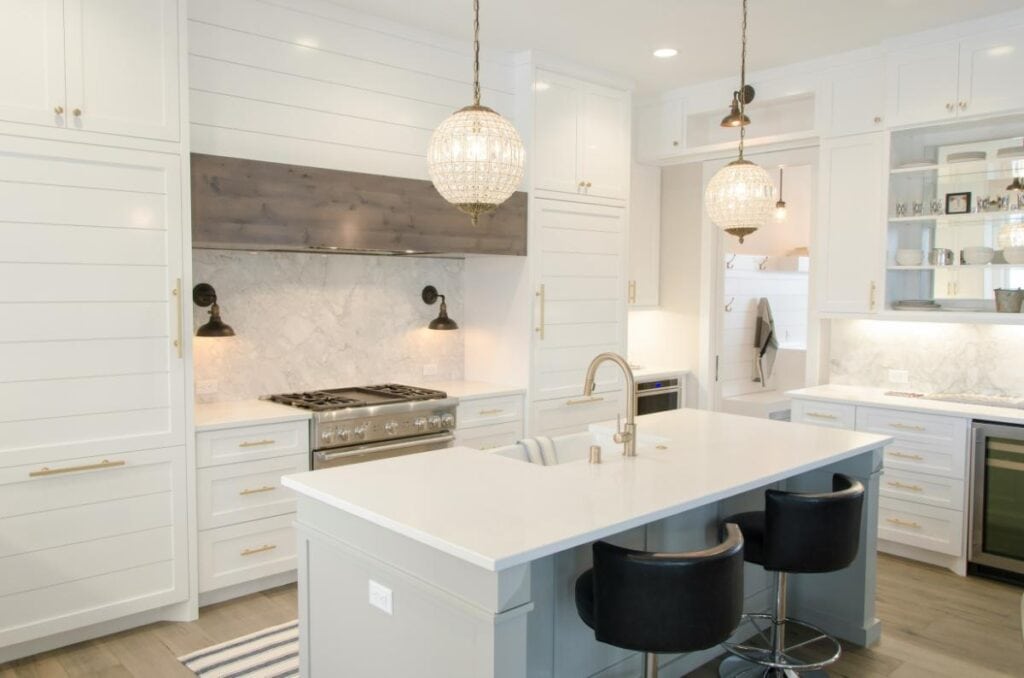
Photo by Aaron Huber on Unsplash
While remodeling your kitchen is one of the most exciting ways to refresh your home, it can also be one of the most expensive. Fortunately, you don’t have to sacrifice quality or style just to stay within budget. Here are seven valuable tips to help you create a beautiful, functional space without overspending.
Start With a Clear Plan
Before picking out tiles or paint colors, take time to define your priorities. Ask yourself what matters most. Is it storage, layout, or aesthetics? Knowing your “must-haves” versus “nice-to-haves” helps you allocate your budget wisely.
A clear plan also prevents costly mid-project changes, which can quickly add up. It’s also helpful to sketch your layout or use a simple design tool. Even a rough visual can help guide your decisions and reduce the risk of costly mistakes.
Keep the Existing Layout
One of the biggest budget-drainers in a kitchen remodel is moving plumbing, gas lines, or electrical systems. Keeping your sink, stove, and refrigerator in their current locations can significantly cut costs. Instead of a full layout overhaul, focus on improving what’s already there. Better lighting, updated finishes, or smarter storage solutions can make a huge difference.
Choose Cost-Effective Layout
Achieving a high-end kitchen look doesn’t always require premium materials. For instance, butcher block or laminate countertops can mimic the appearance of pricier stone options. Similarly, stock or semi-custom cabinets often provide excellent quality at a fraction of the cost of fully custom builds.
Mixing materials is another smart strategy. Splurge on one standout feature like a statement backsplash while keeping other elements more budget-friendly.
Refinish Instead of Replacing
If your kitchen cabinets are structurally sound, consider repainting or refacing them instead of replacing them entirely. This can save thousands while still giving your kitchen a fresh, updated look. The same goes for hardware, as swapping out handles and knobs can make a big impact. Appliances can also be upgraded selectively. If only one or two items are outdated, replace just those instead of buying a full matching set.
Plan for the Less Obvious Costs
While it’s easy to focus on visible upgrades, don’t forget the behind-the-scenes expenses. This includes things like labor, delivery fees, and permit fees for non-cosmetic upgrades. These costs are often unavoidable, so it’s better to factor them into your budget from the start rather than be surprised later. Setting aside a contingency fund, usually 105 to 20% of your total budget, can also help you handle unexpected issues without stress.
Do Some Work Yourself
Taking on small DIY tasks can lead to meaningful savings. Painting walls, installing a backsplash, or even assembling cabinets are manageable projects for many homeowners. However, make sure to know your limits and leave complex electrical or plumbing work to licensed professionals to avoid costly mistakes.
Shop Smart and Time It Right
Look for sales, clearance items, or slightly used fixtures to stretch your budget first. Many retailers offer seasonal discounts, and buying during these periods can result in significant savings. You can also compare prices across multiple suppliers to ensure you’re getting the best deal.
Endnote
Saving money on a kitchen remodel doesn’t mean cutting corners; it means making intentional choices. By planning carefully, prioritizing what matters, and balancing DIY efforts with professional help, you can achieve a space that’s both beautiful and budget-friendly.