
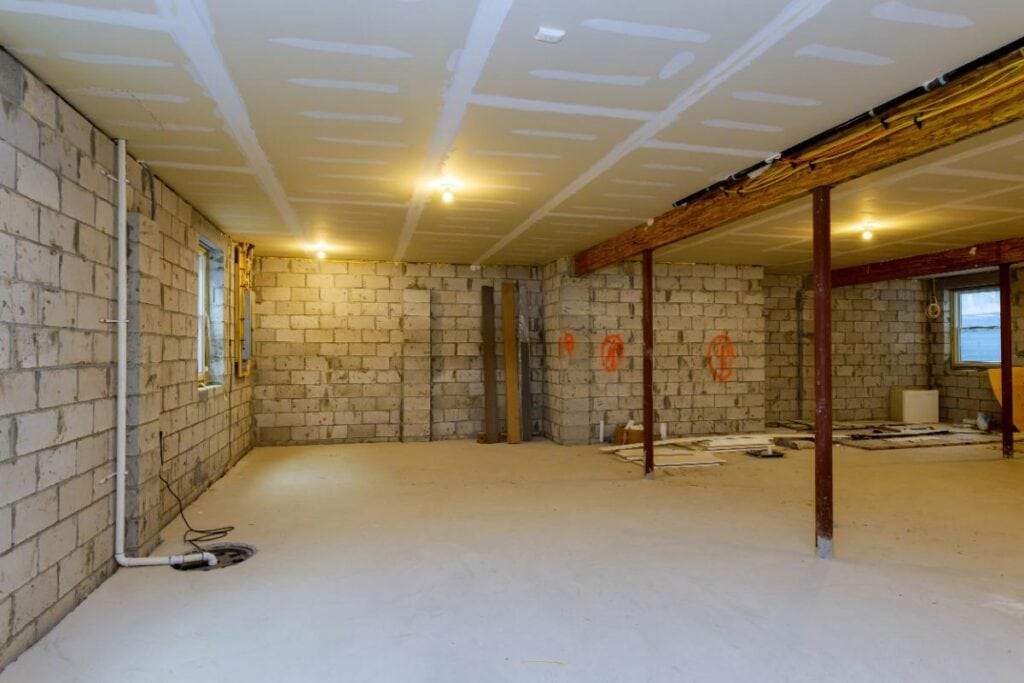
A basement renovation can add valuable living space to a home, whether you are planning a laundry area, workshop, guest room, bathroom, storage zone, or hobby space. But before focusing on flooring, lighting, paint colors, or built-in cabinets, it is important to think carefully about the plumbing. Basement plumbing is often more complicated than plumbing in other parts of the home because it sits closer to the foundation, main drain lines, water heaters, sump pumps, and utility systems.
With better planning, homeowners can avoid costly changes later and create a basement that is not only finished, but also practical, safe, and easy to maintain.
Start With Drain Planning
Drain planning should be one of the first steps in any basement renovation. If you are adding a bathroom, laundry sink, utility sink, wet bar, or washing machine, you need to understand where wastewater will go.
In many homes, basement drains depend on the location and height of the main sewer line. If the drain line is above the new fixture location, a pump system may be needed to move wastewater upward. If the main drain is accessible and properly sloped, the project may be simpler, but slope still matters. Poor drainage planning can lead to slow drains, unpleasant odors, backups, or future repair work.
Before installing walls or flooring, check existing floor drains, cleanouts, and drainpipe locations. Make sure they remain accessible after the renovation. Covering a cleanout behind drywall or permanent shelving may create problems if the drain line ever needs service.
Keep Water Supply Access in Mind
Basements often contain important water supply lines running to bathrooms, kitchens, outdoor spigots, water heaters, or laundry equipment. During renovation, it can be tempting to hide every pipe behind finished walls or ceilings. While this may look cleaner, it can make future maintenance more difficult.
Instead, plan access panels where needed. If pipes connect to valves, manifolds, pressure regulators, or appliances, they should not be sealed away permanently. A neat access panel is much easier to live with than cutting into finished drywall later.
Homeowners doing small upgrades can also prepare ahead by ordering basic plumbing parts, valves, connectors, and fittings from a reliable supplier such as PlumbingSell. Having the right parts ready before work begins can help avoid delays once walls are open and the project is moving.
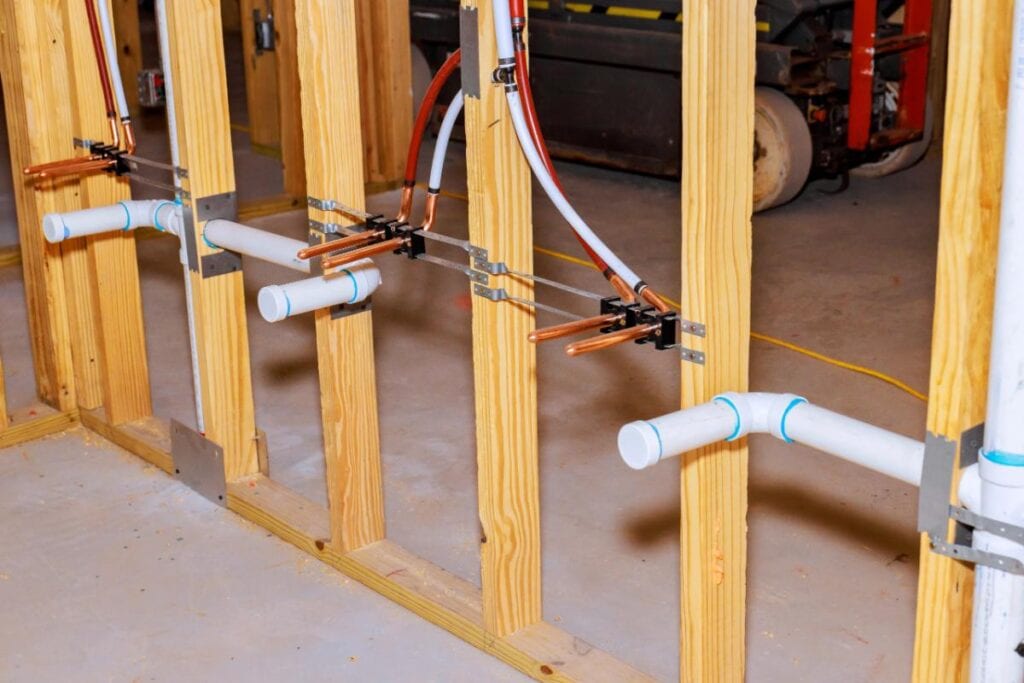
Consider a Utility Sink Setup
A utility sink is one of the most useful additions to a renovated basement. It can support laundry tasks, cleaning, gardening tools, pet care, craft projects, and general household maintenance. If the basement will be used as a workshop or storage area, a sink can make the space much more functional.
When planning a utility sink, consider three things: water supply, drainage, and location. The sink should be close enough to existing plumbing to reduce installation complexity, but also placed where it will actually be convenient. For example, near the laundry area, garage entry, or workbench zone may make more sense than placing it in a far corner.
Also think about the faucet style and shut-off access. A utility sink is often used for messy jobs, so durable connections and easy-to-reach valves are important.
Do Not Overlook Shut-Off Valves
Shut-off valves are small parts, but they play a major role in basement functionality. Every fixture or appliance that uses water should have a practical way to shut off the supply. This includes sinks, toilets, washing machines, water heaters, and other connected equipment.
During a basement renovation, check whether existing valves are easy to reach and still working properly. Old valves may be stiff, corroded, leaking, or difficult to turn. Replacing them before the area is finished can be much easier than dealing with them later.
Good shut-off planning also helps during emergencies. If a supply line leaks or an appliance needs repair, you do not want to search behind boxes, panels, or finished walls to stop the water.
Inspect Exposed Pipes Before Closing Walls
One advantage of basement renovation is that many pipes may already be visible. Before covering them with drywall, ceiling panels, insulation, or framing, take time to inspect them carefully.
Look for signs of corrosion, old repairs, loose supports, stains, mineral buildup, or past leaks. Check pipe connections and areas around valves. If your home has older plumbing, this is also a good time to confirm pipe material and size. Mixing new fixtures with outdated or damaged plumbing can create problems later.
If any pipes look questionable, speak with a licensed plumber before finishing the space. It is usually cheaper to address visible issues during renovation than to repair hidden leaks after the basement is complete.
Plan for Moisture Concerns
Moisture is one of the biggest challenges in basement renovation. Even if there is no obvious flooding, basements can still have humidity, condensation, seepage, or small leaks. Plumbing decisions should work together with moisture control.
Check around water heaters, laundry hookups, sump pumps, floor drains, and exterior walls. Make sure water has a safe path to drain if something leaks. Avoid placing moisture-sensitive materials directly around plumbing areas without protection or access.
If the basement has a history of dampness, solve that problem before installing finished flooring or walls. Better ventilation, dehumidifiers, drainage improvements, or sump pump maintenance may be needed.
Final Thoughts
A successful basement renovation is not just about making the space look finished. It is about making it work well for daily use and future maintenance. Drain planning, water supply access, utility sink placement, reliable shut-off valves, exposed pipe inspection, and moisture control can all make a major difference.
Before renovation begins, review your layout carefully and prepare the plumbing parts you may need. For homeowners and DIY planners looking for practical plumbing supplies, PlumbingSell offers a wide range of fittings, valves, pipes, and related products that can help support basement renovation projects from planning to completion.