
Indoor flowering houseplants can transform a living space in ways that foliage alone rarely manages—adding seasonal color, warmth, and a genuine sense of life to any room. Whether you’re drawn to low-maintenance peace lilies or elegant potted orchids, the appeal is the same: the quiet satisfaction of watching something bloom indoors. That said, beginners often run into the same stumbling blocks—overwatering, poor light choices, and expecting too much too soon. This guide walks through each of those challenges so you can select, care for, and keep your plants flowering with real confidence.
Why Indoor Flowering Plants Are Different from Foliage Plants
Foliage plants earn their place through their leaves alone; flowering plants have to work harder—and so do their owners. To produce blooms, a plant must complete a flowering cycle that depends on the right balance of light, moisture, and nutrients. That’s a higher bar than most foliage plants require, but the payoff is genuinely different: there’s something rewarding about a plant that earns its keep by blooming.
Choosing the Right Flowering Houseplants for Your Space
Assessing Light, Temperature, and Humidity Indoors
Of all the factors to evaluate before choosing a plant, light is the most important. South-facing windows deliver considerably more intensity than north-facing ones, and most flowering plants need bright conditions to bloom reliably. Temperature stability is equally worth considering—plants placed near drafts, heating vents, or air conditioning units tend to suffer. Central heating can also strip humidity from the air, which matters for moisture-sensitive species. A useful habit: observe how much direct sun actually reaches a given spot at different times of day before committing to a plant.
Good Starter Flowering Plants for Beginners
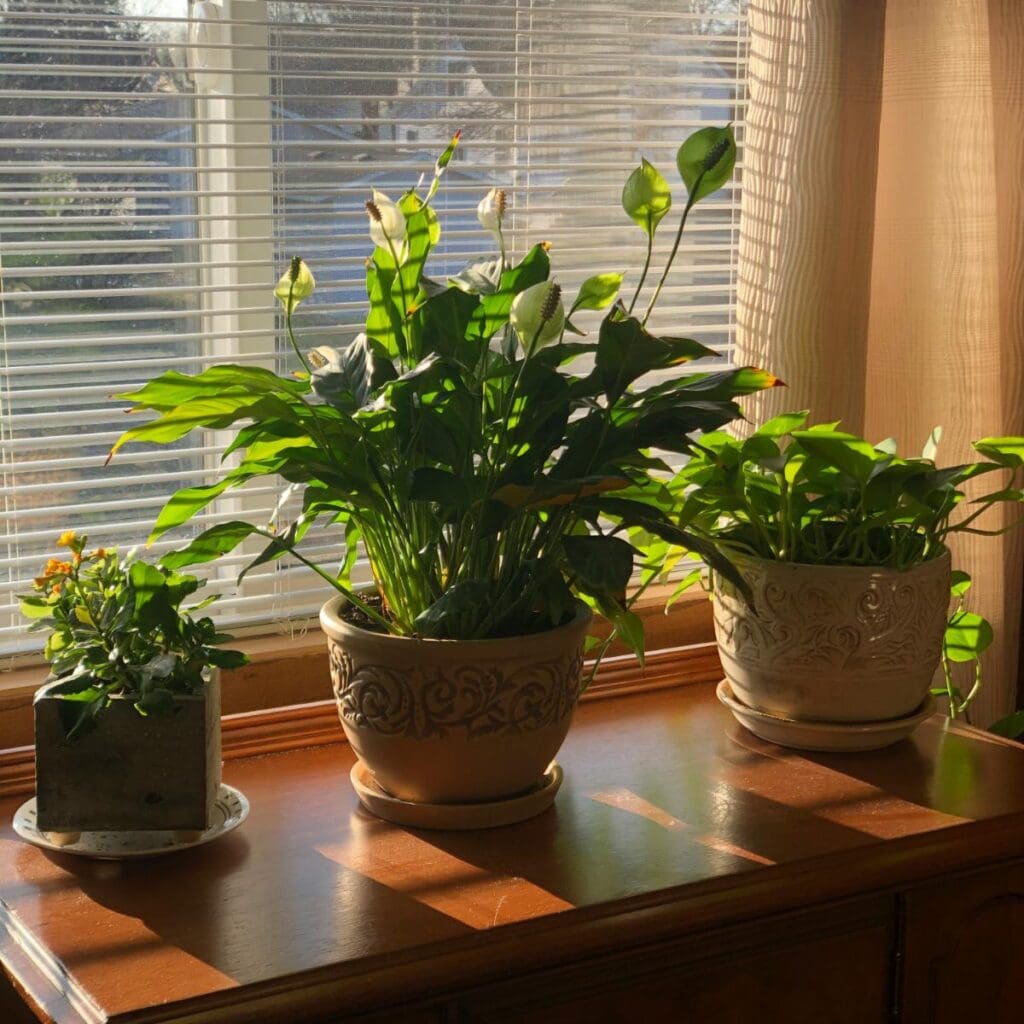
- Peace lily (Spathiphyllum) – tolerates lower light and droops visibly when thirsty, making it easy to read.
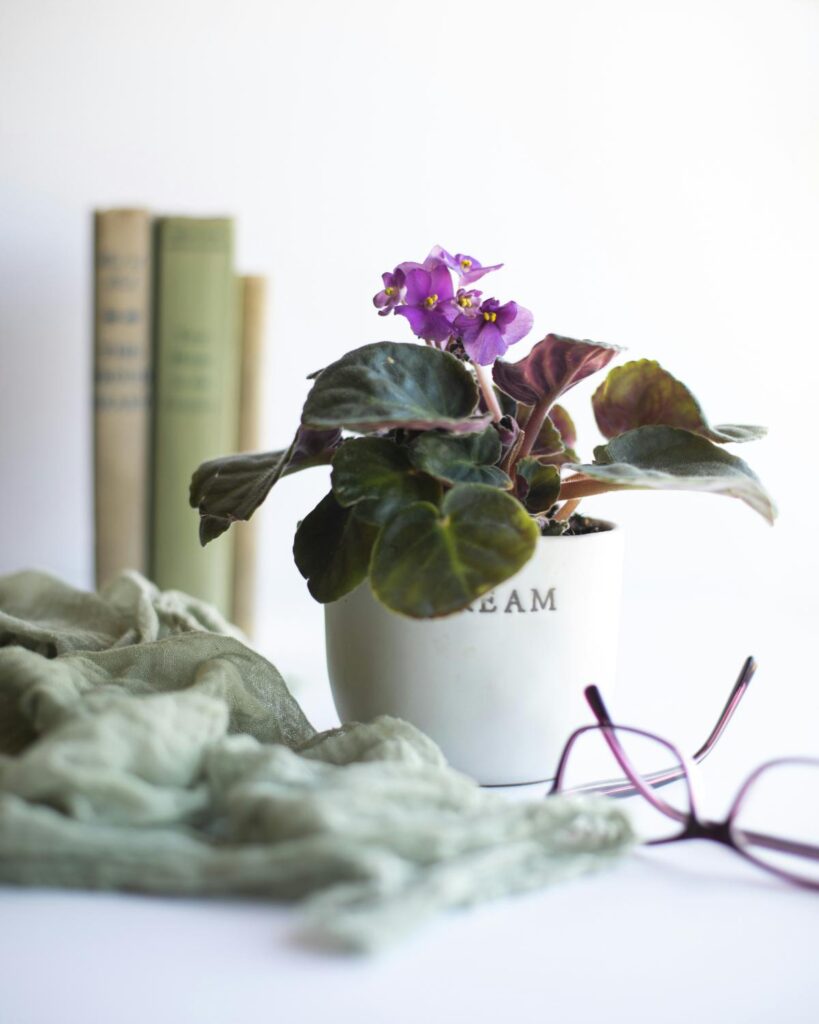
- African violet (Saintpaulia) – compact, long-blooming, and content with consistent moderate indirect light.
- Kalanchoe – thrives in bright light with infrequent watering; forgiving and well-suited to sunnier spots.
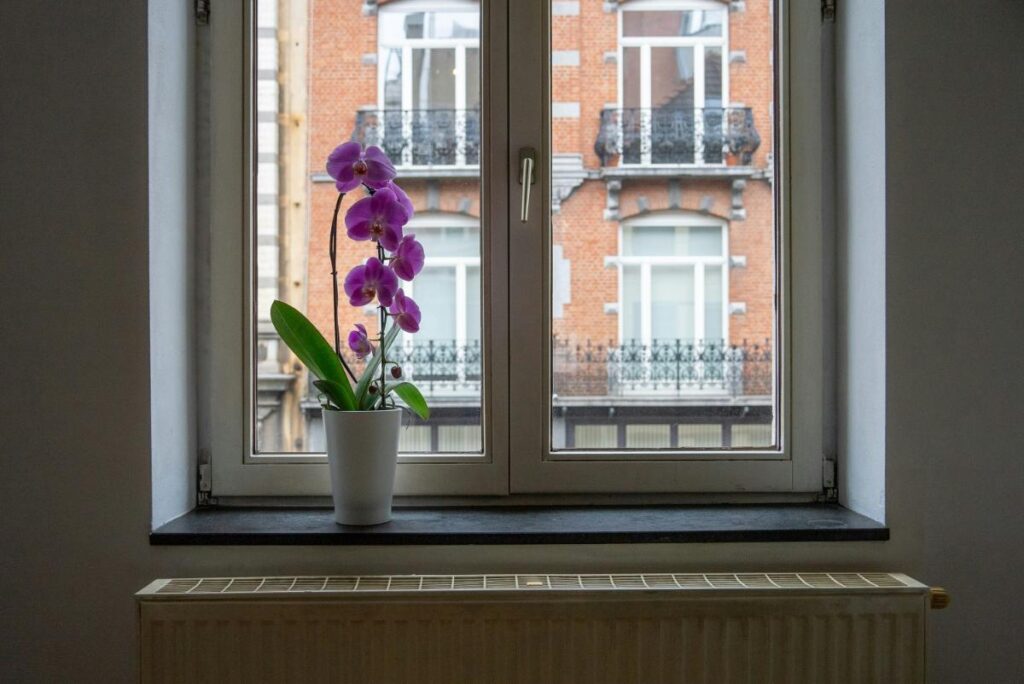
- Orchids – more approachable than their reputation suggests once you understand their specific light and watering preferences.
This isn’t an exhaustive list—use it as a starting point and always let your actual conditions guide the final choice.
Core Care Principles for Indoor Flowering Houseplants
Watering: Avoiding the Most Common Mistake
Overwatering is responsible for more indoor plant deaths than almost anything else. Instead of sticking to a fixed schedule, use the finger test: water only when the top inch of soil feels dry to the touch. Containers with drainage holes and a well-draining potting mix are non-negotiable—roots left sitting in saturated soil will rot, often before any visible symptoms appear.
Light and Placement for Reliable Blooms
Bright indirect light—positioned a few feet from a window or filtered through a sheer curtain—works well for most flowering houseplants. A plant pushing out healthy leaves but refusing to bloom is often a plant that isn’t getting enough light; flowering demands significant energy, and that energy comes from photosynthesis. Rotating plants periodically helps ensure even, balanced growth over time.
Fertilizing Without Overdoing It
A diluted balanced fertilizer applied during active growth can meaningfully support flower production. The risk, though, is going too far—over-fertilizing burns roots and can distort growth in ways that are slow to reverse. For indoor use, dilute more than the label recommends, pause entirely during rest periods, and treat the packaging instructions as a ceiling rather than a target.
Understanding Bloom Cycles and Realistic Expectations
Flowering plants operate on natural bloom cycles, not continuous production. Orchids, for example, may bloom for several weeks before entering a rest phase that lasts months. A plant moved to a new environment might need an entire season to settle before it flowers again. Expecting year-round blooms from a single plant is a setup for disappointment; healthy, recurring cycles are the real measure of success.
Key Takeaway: Healthy foliage and appropriate light are better indicators of future blooms than the number of flowers visible at purchase.
Common Problems and How to Troubleshoot Them
No blooms despite healthy leaves is almost always a light or timing issue. Check how many hours of usable light the plant actually receives and review whether fertilizing has been consistent and appropriately timed.
Yellowing leaves, bud drop, or a sudden overall decline can each point to different causes. Yellowing often signals overwatering or poor drainage. Bud drop typically follows an abrupt environmental change—a move, an unexpected draft, or a temperature swing. Pests such as aphids or spider mites can trigger rapid deterioration; isolate any affected plant promptly, try a gentle soapy-water rinse, and cross-reference symptoms with a reputable horticultural source before reaching for any treatment.
Simple Ways to Integrate Flowering Plants into Everyday Home Life
A single flowering plant on a desk or kitchen windowsill can make a noticeable difference without demanding much space or attention. Grouping a few small plants together creates a natural focal point, and rotating them between rooms as seasonal light shifts helps each one stay healthier. Before introducing any new species, especially if you have pets or young children, it’s worth checking a reliable plant toxicity database—some flowering plants can cause harm if ingested.
Practical Tip: Let light availability drive your placement decisions, not aesthetics. A plant thriving in the right spot will always be more satisfying than one slowly declining in a prettier one.
Bringing Long-Lasting Color Indoors with Confidence
Getting indoor flowering plants to perform well isn’t complicated, but it does require matching them to their environment and staying consistent with care. Focus on choosing plants suited to your actual light conditions, get watering and drainage right from the start, and give bloom cycles the patience they deserve. Starting with one or two plants and learning through close observation will serve you far better than acquiring a collection all at once. University extension programs and botanical garden publications are excellent resources when you’re ready to go deeper. Healthy plants bloom more reliably than plants pushed to flower before they’re ready.