
Keeping your home clean doesn’t stop at visible surfaces. Storage areas, such as closets, basements, garages, and spare rooms, play a major role in protecting your belongings and maintaining a safe living environment. When storage spaces are cluttered or poorly maintained, they can quickly become breeding grounds for damage, odors, and pests. Clean storage is more than organization; it’s a long-term home management strategy that helps prevent costly repairs and unnecessary stress.
By adopting simple, consistent storage habits, homeowners can protect their belongings while creating a cleaner, safer home overall.
Common Storage Areas That Need Extra Attention
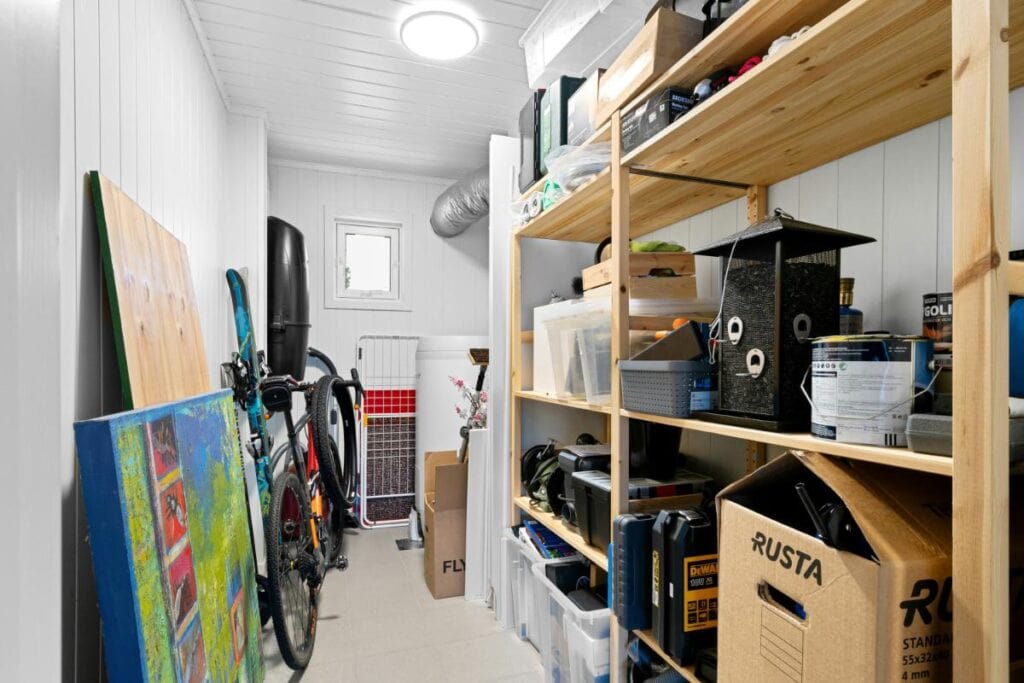
Some areas of the home are more vulnerable than others when it comes to storage-related issues. Closets often become overcrowded, garages collect dust and moisture, and basements are prone to poor ventilation. Attics and spare rooms are also frequently overlooked, especially when items are stored long-term and forgotten.
These spaces tend to attract problems because they are darker, less frequently cleaned, and more likely to contain cardboard boxes or fabric items that can absorb moisture and attract pests. Paying attention to these areas and incorporating them into your regular cleaning routine can significantly reduce the risk of damage.
Clean Before You Store: The First Rule of Safe Storage
One of the most overlooked storage mistakes is putting items away without cleaning them first. Even small amounts of dirt, crumbs, or moisture can lead to unpleasant odors, mold growth, or pest attraction over time. Clothing, shoes, seasonal décor, and travel gear should always be cleaned and completely dried before being stored.
For homeowners who invest in premium travel gear, choosing high-quality luggage makes storage and long-term care even more important. Shopping from a trusted Osprey luggage retailer Canada, such as U.N. Luggage, ensures access to durable, well-designed luggage built for repeated use and long-term reliability. Properly cleaning and storing these products helps maintain their structure, fabric integrity, and performance, protecting your investment and keeping your gear travel-ready whenever you need it.
Smart Storage Solutions That Protect Your Belongings
Choosing the right storage materials can make a significant difference. Instead of cardboard boxes, opt for sealed plastic containers that keep out dust and moisture. For fabric-based items, breathable storage bags help prevent mildew while still offering protection.
Elevating stored items off the floor is another smart move, particularly in basements and garages where moisture tends to accumulate. Shelving units help improve airflow and make inspections easier. Avoid overcrowding storage spaces, as tight packing limits ventilation and makes it harder to spot early signs of damage or pests.
Labeling containers and grouping similar items also saves time and reduces unnecessary handling, keeping stored belongings in better condition over the long term.
How Clean Storage Helps Prevent Pest Problems
Rodents and other pests are drawn to cluttered storage areas because they provide warmth, nesting materials, and hiding spots. Dusty corners, stacked boxes, and unused fabric items create the perfect environment for infestations to go unnoticed.
Maintaining clean storage areas removes these attractions and supports early prevention. Regular cleaning, proper containment, and reduced clutter all help minimize the conditions pests rely on. When preventive steps aren’t enough, professional help may be necessary. For homeowners dealing with recurring issues, A1 Pest Solutions Inc offers rodent control in Winnipeg, providing targeted solutions that help protect storage areas before damage spreads throughout the home.
Cleaning Habits That Support Safer Storage
Consistent cleaning habits are essential for maintaining safe storage spaces. A quick monthly inspection can reveal early warning signs like dust buildup, moisture, or gnaw marks. Vacuuming shelves, corners, and floor edges helps eliminate debris that attracts pests.
Decluttering also plays a major role. Items that haven’t been used in years should be donated, recycled, or discarded to reduce unnecessary storage volume. Sealing small cracks, repairing gaps around doors, and improving airflow further enhance protection.
Keeping storage areas dry is especially important. Using dehumidifiers in basements or moisture absorbers in closets can prevent mold growth and protect stored items from long-term damage.
When to Take Action: Signs Your Storage Needs Attention
Sometimes storage issues develop quietly. Unusual odors, droppings, chewed materials, or unexplained damage are all signs that storage spaces require immediate attention. Excessive dust, visible moisture, or items stored directly on the floor can also indicate increased risk.
Addressing these signs early helps avoid larger problems later. In some cases, professional cleaning or pest services may be the most effective way to restore safe conditions and protect valuable belongings.
Clean Storage Is a Long-Term Home Investment
Clean storage is not just about organization; it’s a proactive investment in your home’s safety and longevity. By cleaning items before storage, using proper containers, and maintaining regular inspections, homeowners can reduce damage, prevent infestations, and extend the life of their belongings.
Small, consistent changes can lead to lasting benefits. With thoughtful storage practices, your home stays cleaner, safer, and better prepared for everyday living.