
When it comes to your health, it’s important to make sure that your home is as good as possible. After all, it’s the main place you are going to spend your time and as such it will affect your health considerably. And there are lots of ways you can approach this if you want to make sure that you are going to keep a much healthier home in general. The fact is that this is the kind of thing you are going to find really useful to consider all in all.

In this post, we are going to take a look at some of the main elements to your home that you will want to focus on when it comes to ensuring that it is as good for your health as can be. The following are all going to be really helpful in that regard.
Air Quality: The Invisible Foundation
Air quality is one of the most important – and most underestimated – aspects of a healthy home. Unlike clutter or damp patches, poor air is often invisible. Yet indoor air can sometimes be more polluted than outdoor air, particularly in modern homes that are tightly sealed for energy efficiency.
Common indoor pollutants include dust mites, pet dander, pollen, mould spores, volatile organic compounds (VOCs) from paint and furniture, and everyday cooking fumes. Over time, these can contribute to allergies, respiratory irritation, headaches, and fatigue.
Improving indoor air quality does not need to be complicated. Regular ventilation is the first step. Opening windows daily, even for ten minutes in winter, helps circulate fresh air and reduce moisture build-up. Using extractor fans in kitchens and bathrooms prevents dampness and mold growth. Consider making use of professional air duct services to aid with this. If you live in a busy urban area, airing rooms during quieter traffic periods can help minimize outdoor pollutants entering the home.
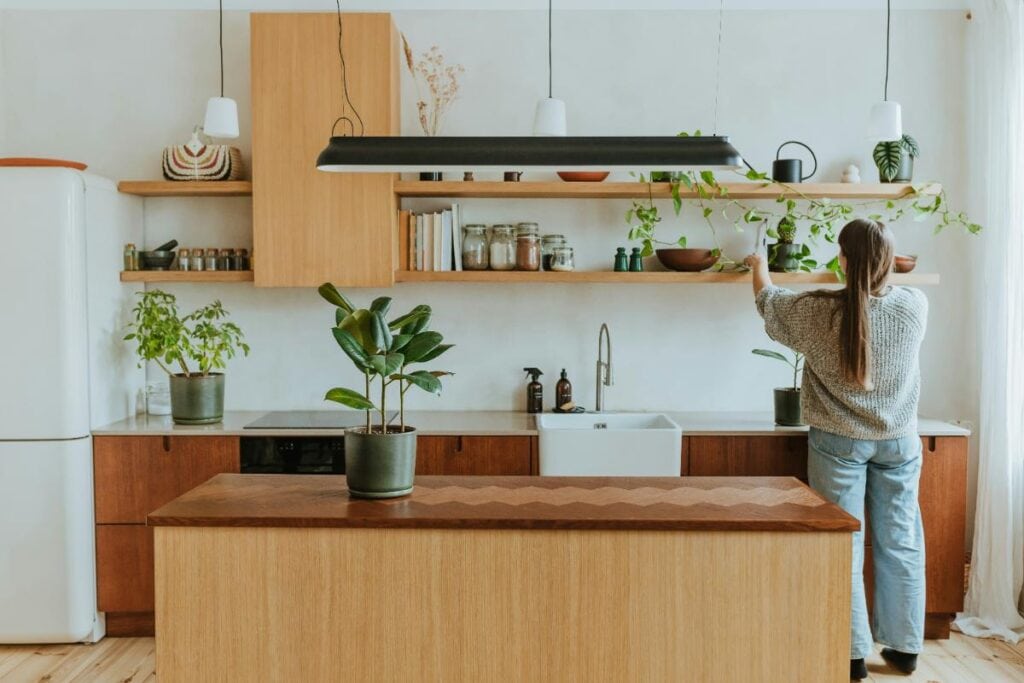
Air purifiers with HEPA filters can also make a noticeable difference, particularly if someone in the household has asthma or allergies. Houseplants may not magically cleanse the air at dramatic levels, but they can support humidity balance and create a calming atmosphere, which benefits mental health in its own way.
Managing Humidity & Reducing Damp
Excess moisture is a major contributor to poor indoor health. Damp environments encourage mold growth, and mold spores can aggravate respiratory issues and weaken immune responses over time. Ideally, indoor humidity should sit between 40% and 60%.
A simple hygrometer can help you monitor this. If levels are too high, consider using a dehumidifier, especially in bedrooms or areas prone to condensation. Drying clothes outside where possible, fixing leaks quickly, and ensuring loft insulation and ventilation are adequate can also prevent long-term moisture issues. Conversely, overly dry air can irritate the throat and skin. In winter, when heating systems run frequently, a humidifier may restore balance and improve sleep comfort.
Lighting & Your Circadian Rhythm
It’s hugely important to make sure that you are doing all you can to care for your circadian rhythm. This is vital not just for your ability to sleep soundly and regularly, but as a means of ensuring that you are going to have the proper natural rhythms in general. So this is something that is going to be really useful for you to bear in mind as well. As it happens, the main thing that you will want to pay attention to here is lighting, which has a profound effect on your circadian rhythm and is going to require a lot of attention from the outset.
Light shapes your body’s internal clock more than most people realise. Exposure to natural daylight during the morning supports alertness, mood stability, and healthy sleep patterns. If possible, arrange workspaces or reading areas near windows. Keep curtains open during daylight hours.
In the evening, softer and warmer lighting helps signal to your brain that it is time to wind down. Reducing harsh overhead lighting and limiting blue-light exposure from screens an hour before bed can improve sleep quality significantly. If natural light is limited in your home, daylight-mimicking bulbs can offer support, particularly during darker months.
Reducing Exposure To Chemicals
You might not have thought about this much, but it’s actually one of the most important elements to being healthy in your home, and something that you will definitely benefit from thinking about and being aware of. Many everyday household products release chemicals into the air. Cleaning sprays, synthetic air fresheners, heavily fragranced candles, and certain furnishings may emit VOCs. While occasional use is unlikely to cause major harm, constant exposure in enclosed spaces can contribute to headaches or irritation. Switching to low-VOC paints and natural cleaning products can reduce chemical load. Simple solutions like vinegar, bicarbonate of soda, and fragrance-free detergents are often effective alternatives. Allowing new furniture or carpets to off-gas in well-ventilated rooms before heavy use also helps.
Controlling Noise Levels
There is a direct relation to noise and stress levels – and between stress levels and your overall health – so it’s hugely important to make sure you are controlling your noise levels as best as you can. This is the kind of thing that is really going to help a lot and you are going to have a much better ability to look after yourself as a result. Chronic low-level noise can quietly increase stress levels. Traffic hum, constant television background noise, or echoing spaces may prevent full relaxation. Soft furnishings such as rugs, curtains, and fabric wall hangings absorb sound and create a calmer acoustic environment.
Creating at least one quiet space within your home, even a small reading corner, allows your nervous system moments of genuine rest. Silence, or near-silence, is often underrated as a health intervention.
improving your home’s health does not require a full renovation. It begins with noticing how each room feels when you enter it. Is the air fresh? Is the light gentle? Can you breathe deeply without irritation? These quiet questions often reveal exactly what needs attention.