

Key Highlights
- Tough grout stains often come from grease, soap scum, moisture, and daily buildup on tile grout.
- The best grout cleaning methods depend on both tile flooring and the types of grout in your home.
- Ceramic tile, porcelain, and natural stone all need different care if you want to clean grout safely.
- Unsealed grout lines need a gentler cleaner and careful use.
- Britex offers DIY options with strong ease of use for hard floors.
- The right cleaner tool can save time and improve results.
Introduction
Tough marks on tile floors can make the room seem dirty, even if you just cleaned it. It is important to pick the right grout cleaner because tile grout can hold grease, soap scum, and mess deep down. If you want to clean grout without guessing, you should match the cleaner to the type of tiles you have, your grout, and the stain you want to get rid of.
Understanding Tile and Grout Materials in Australian Homes
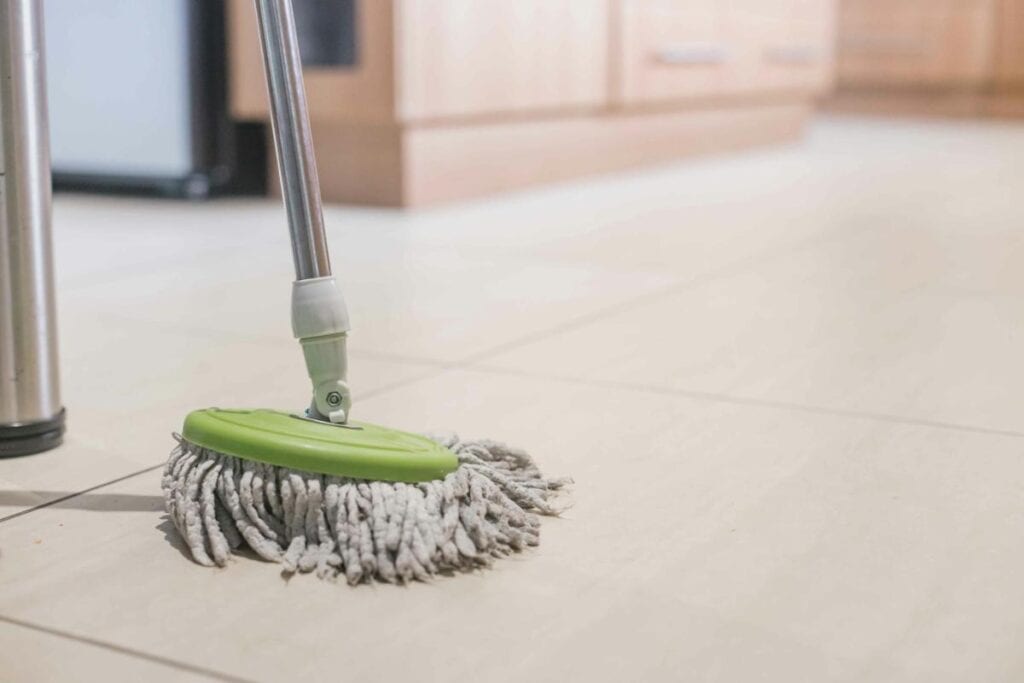
Many Australian homes have tile flooring in places like kitchens and bathrooms. These spots work hard every day. The surfaces might look simple. But grout lines and how tiles are finished will change how you clean them.
That is why the first step is to know what type of surface you have. When you know the types of grout and the tiles, you can pick a tile and grout cleaner that helps get stains out. This also helps you not damage your floors when cleaning.
Common Types of Tiles Found in Australia
Ceramic tile and porcelain are popular for tile floors in many homes. They cope well with daily wear and tear. Some hard surfaces use brick as well. Britex says its grout and tile cleaner works for ceramic, porcelain, and brick surfaces.
Natural stone must be treated with more care, as the type of surface decides how tough your cleaner needs to be. If you are not sure, it’s best not to use harsh cleaners. Begin with a mild one.
You can clean porcelain tiles with acid-free tile and grout cleaners. A homemade cleaner made for porcelain, such as Britex Deep Cleaning Grout & Tile Cleaner, is a good choice when you need strong cleaning but do not want extra risk.
Grout Varieties and Their Cleaning Challenges
Not all grout lines act the same. Some types of grout get dirty faster, while others fight stains better. The big problem is not always the dirt you see. Sometimes, it’s about how deep the dirt goes in the joint.
When you look at epoxy grout or standard cement grout, the way you clean them can change. It depends on how the surface looks and if there is a grout sealer. For grout that is not sealed, it is best to try a soft cleaner. Start with light scrubbing.
- Unsealed grout can take in moisture and stains fast.
- Sealed grout will be easier to wipe clean most times.
- Epoxy grout stands up better to grime.
- Old grout lines can hold buildup deep down.
- If a grout sealer is worn out, cleaning gets harder.
Why Tough Stains Occur on Tile and Grout
Tough grout stains form because tile grout sits a bit lower than the tile and picks up more dirt than the tile. In busy rooms, dirty grout can hold grease, soap scum, and damp residue. These things build up over time.
Bathrooms add extra trouble because of moisture. The damp in this room helps mildew grow and leaves stains that you might not see with normal cleaning. To clean grout stains well, you need to know what caused these stains in the first place.
Typical Causes of Stubborn Stains in Kitchens and Bathrooms
Tough stains form on tile and grout when dirt settles deep into the grout, while moisture and residue harden on the surface. This combination creates stubborn grime that’s difficult to remove.
In kitchens, grease and food particles get trapped in grout lines. In bathrooms, soap scum and mildew build up over time, especially with poor ventilation.
Common causes include:
- Constantly wet bathroom floors
- Soap scum around showers and sinks
- Grease and dirt tracked into kitchens
- Slow drying after mopping
- Dirt left in grout lines and corners
How Tile Material Influences Stain Removal
Tile material affects cleaning methods. Ceramic and porcelain tiles are generally easier to clean, while natural stone requires more care. The same stain may react differently on each surface.
When choosing between alkaline and acid cleaners, start with the mildest option suitable for your tile—especially if you’re unsure of the type.
| Tile Type | Cleaning Note |
| Ceramic | Compatible with most hard floor cleaning products |
| Porcelain | Best cleaned with acid-free tile and grout cleaners |
| Natural Stone | Requires gentle, milder cleaners |
| Brick | Holds dirt deeply; may need extra scrubbing |
Tile and Grout Cleaner Types: Acidic, Alkaline, and Neutral
People often choose between commercial grout cleaners, a bleach solution, or mild cleaners. But the cleaning process should begin with the surface you want to clean, not just the label. Using a stronger product is not always better.
A good option is to pick a cleaner made for grout and tile as part of your DIY cleaning. Britex has a Deep Cleaning Grout & Tile Cleaner that works on dirt, grease, soap scum, and tough stains on hard floors and walls.
How to Choose the Right Formula for Your Tile and Grout
The best tile and grout cleaner for tough stains matches your tile type and specific stain. For best results, use a strong hard-floor cleaner with an effective grout cleaning tool. Britex is a good choice because it combines a powerful cleaner with a 3-in-1 Deep Cleaning Machine and Grout & Tile Wand.
When choosing a cleaner, consider:
- Tile material
- Stain type
- Whether your grout is sealed
- Ease of DIY use
- Tool compatibility
With the right cleaner and tools, you can tackle any grout stain easily and effectively.
Choosing a Safe Tile and Grout Cleaner for Different Situations
Safety matters when stains are tough, and you want to use harsh chemicals. You should choose a cleaner that works for the surface but is also easy to use at home.
Look at the grout sealer to see if it is still good. Be careful when cleaning, too. Start with good habits. Open windows for ventilation, and use safety goggles if needed. This makes cleaning safer and gives you ease of use. It also helps you not overdo it.
Cleaners for Unsealed Grout and Sensitive Surfaces
For unsealed grout, use a mild, grout-specific cleaner. Apply carefully and test first to prevent stains from setting and avoid damaging the surface.
Some people use hydrogen peroxide or baking soda for cleaning, but these aren’t suitable for all floors. If your surface is soft, a specialised cleaner offers better control.
Britex is ideal for DIY deep grout cleaning on hard surfaces. It’s gentle enough for unsealed grout before trying stronger stain removers.
Working With Porcelain, Natural Stone, and Ceramic Tiles
Different tiles require different cleaning methods. Porcelain and ceramic tiles are durable and can handle stronger cleaners, while natural stone needs gentler, acid-free options.
For best results, use the right grout cleaning tool to reach into grout lines, not just the tile surface.
Tips:
- Identify if your tile is porcelain, ceramic, or natural stone
- Test cleaner on a small area first
- Use a grout-specific tool
- Don’t assume one cleaner works for all rooms
Conclusion
In summary, choosing the right grout cleaner is essential for keeping your tiles looking great and lasting longer. Understand the different cleaners, how to use them, and your specific tile needs to make the best choice. With the proper products and methods, removing tough stains becomes easy.
If you’re unsure which cleaner to use or need application tips, contact our experts for a free consultation. Take the first step toward restoring your grout and tiles today!
Frequently Asked Questions
How often should I use a tile and grout cleaner for best results?
For most tile floors, doing regular cleaning can help stop grout stains from setting in. Use a grout cleaner made for tile and grout when you see marks, a build-up, or when normal cleaning does not get all of it out. This keeps the tile grout easy to look after as time goes on.
Are there affordable tile and grout cleaner options in Australia?
Yes. If you are looking at choices online, think about value and what works best for your needs. Britex has grout and tile products. These range from cheap spray options to stronger tile and grout cleaning methods you can use at home.
What’s a simple hack for cleaning tile grout at home?
A simple way to do this is to spray the area with a spray bottle and wait a short time. After this, scrub with a grout brush. Some people use soda, vinegar, or hydrogen peroxide to clean the grout, but you should test these first to see how they work in your case. Make sure to check what type of tile you have before you clean.