
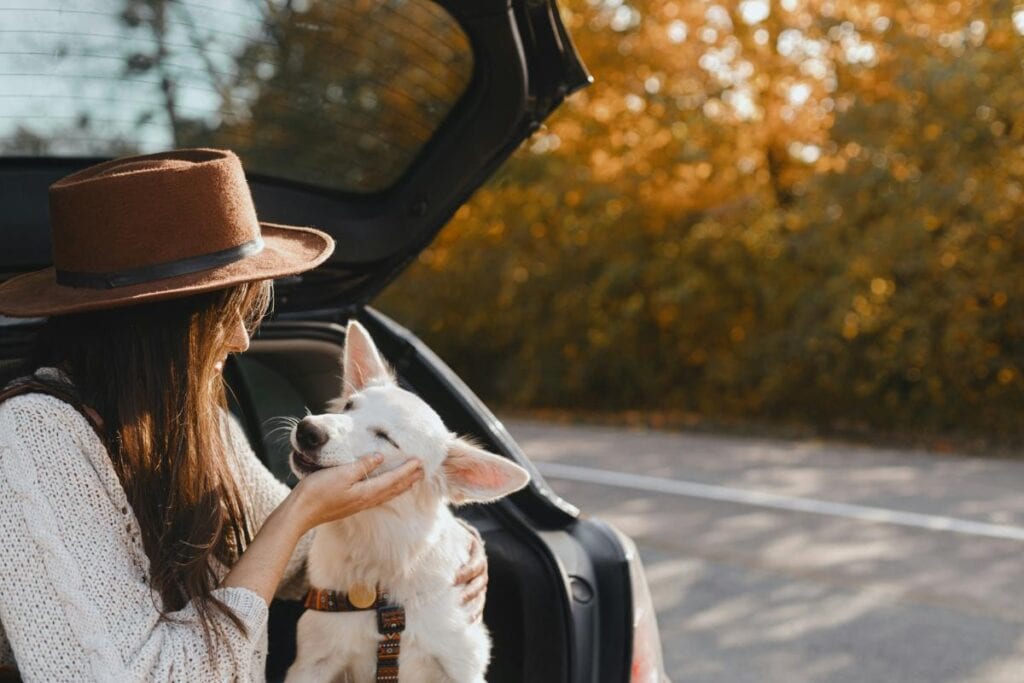
Long car rides can test any dog’s patience. Some dogs pace, whine, or drool, while others refuse to settle down. Travel stress often comes from motion sickness, unfamiliar sounds, or bad past experiences. To keep a dog calm during long car rides, create a safe, familiar space, prepare them before the trip, and use simple calming methods like breaks, soft music, and comfort items.
A calm dog makes every mile easier. With the right preparation, even anxious pets can learn to relax in the car. Gentle training, steady routines, and positive reinforcement help dogs build trust and comfort on the road. The following sections explain how to recognize signs of anxiety, prepare for travel, and apply proven techniques that make long trips smoother for both dog and owner.
Understanding and Addressing Dog Anxiety in the Car
Dogs often feel uneasy in vehicles because of motion, noise, or unfamiliar experiences. Recognizing signs early and addressing the root causes helps prevent fear from worsening. A calm environment, patient training, and natural aids like a natural dog calming collar or intake supplements can make travel safer and more comfortable for both dog and owner.
Recognizing Signs of Anxiety in Dogs
Dogs show stress in many ways. Common signs include trembling, drooling, whining, or refusing to enter the car. Some dogs pant heavily or pace in the back seat, while others freeze or hide.
Physical signs often appear before vocal ones. For example, flattened ears, tucked tails, or wide eyes signal fear. A dog may also lick its lips repeatedly or yawn even when not tired.
Owners should note patterns. If the dog relaxes once the car stops, the anxiety likely connects to movement or sound. Keeping a simple checklist of behaviors helps track progress as comfort improves over time.
Common Causes of Stress During Car Rides
Motion sickness is one of the most frequent causes of travel anxiety. Puppies and smaller dogs experience it more often because their inner ear balance is still developing. Nausea, drooling, or vomiting may follow even short rides.
Loud traffic sounds, strong scents, or flashing lights can also unsettle dogs. The car’s vibration and unpredictable movement add to the confusion. Past negative experiences, such as vet visits or accidents, can create lasting fear.
Uncomfortable seating or heat inside the car can worsen stress. Dogs that feel cramped or overheated may associate the car with discomfort. Providing airflow, securing them safely, and using familiar bedding can make the space feel more stable and safe.
Gradual Desensitization and Positive Associations
Slow exposure helps dogs learn that car rides are safe. Owners can start by sitting with the dog in a parked car for short periods, then progress to short drives around the block. Each calm step should earn calm praise or a treat.
Positive reinforcement builds trust. Soft background music, a favorite toy, or a familiar scent can reduce tension. Some owners use natural aids, such as pheromone sprays or a calming collar, to help their dog relax faster.
Consistency matters. Short, pleasant trips to enjoyable destinations, like a park, replace fear with positive memories. Over time, the dog connects the car with comfort and companionship instead of stress.
Effective Preparation and Calming Techniques for Long Car Journeys
Proper preparation helps a dog stay relaxed, safe, and comfortable during travel. A calm environment, the right equipment, and a thoughtful routine reduce stress and make the trip smoother for both the dog and the owner.
Basic Supplies and Safety Measures
A secure setup keeps the dog safe and prevents distractions for the driver. A dog seatbelt or a crash-tested harness keeps the dog restrained yet comfortable. Smaller dogs may travel better in a crate that allows enough space to sit, stand, and lie down.
Owners should pack water, a bowl, waste bags, and a leash for rest stops. A familiar blanket or toy adds comfort and helps the dog feel at ease. The car should stay well-ventilated, and the temperature should remain moderate.
Before departure, a short walk helps the dog release energy. Feeding a light meal a few hours before travel can prevent nausea. These small steps reduce anxiety and motion sickness, making the journey safer and more pleasant.
Calming Products and Environmental Adjustments
Some dogs respond well to pheromone sprays, calming collars, or natural treats that promote relaxation. These products can take the edge off nervous behavior without sedation. A veterinarian can recommend safe options suited to the dog’s size and health.
The travel space should feel familiar. A soft mat or the dog’s usual bed helps create a sense of security. Quiet music or white noise can mask road sounds and ease tension. Keeping windows partly open allows fresh air flow but prevents overstimulation from outside sights and smells.
Avoid loud voices or sudden movements in the car. A calm tone from the driver reassures the dog and helps maintain a peaceful atmosphere throughout the ride.
Training and Positive Reinforcement
Gradual exposure builds comfort with car travel. The owner can start by letting the dog explore the parked car, then progress to short drives. Each calm step earns a treat or praise, creating a positive link between the car and good experiences.
If the dog appears anxious, it helps to pause and repeat shorter drives before extending the distance. Patience matters more than speed in this process. Over time, the dog learns that the car is safe and predictable.
Consistent positive reinforcement strengthens trust. Calm behavior leads to rewards, while restlessness receives quiet redirection rather than punishment. This approach builds confidence and reduces fear during future trips.
Planning Breaks and Managing Your Dog’s Needs
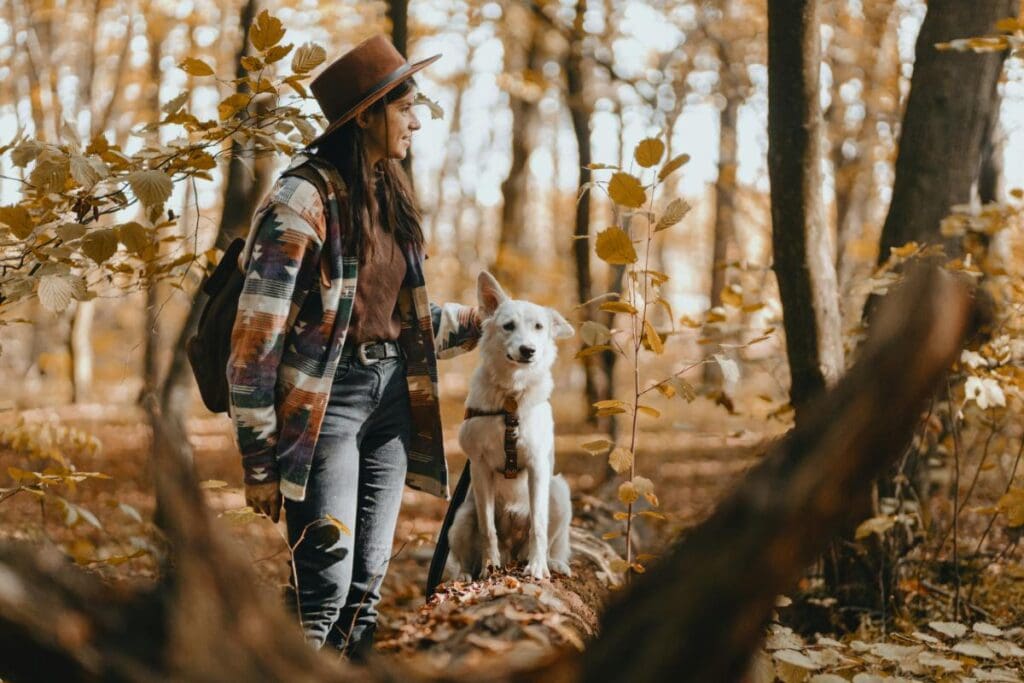
Regular breaks prevent restlessness and discomfort. A stop every two to three hours allows the dog to stretch, drink water, and relieve itself. Safe, open areas away from traffic provide the best spots for brief walks.
Hydration is important, especially in warm weather. Owners should carry a portable water bowl and offer small amounts at each stop. Avoid heavy meals during travel, as a full stomach can cause nausea.
During each stop, the owner should check the dog’s body language. Signs like panting, drooling, or whining may indicate stress or motion sickness. Adjusting the route, temperature, or seating setup can ease these issues and help maintain calm for the remainder of the trip.
A calm dog during a road trip depends on preparation, patience, and consistent practice. Gradual exposure to the car helps reduce stress and builds comfort over time. Short drives before longer trips can make the experience feel safe and familiar.
Comfort plays a major role. A secure harness or crate, steady airflow, and a familiar blanket or toy can help a dog feel relaxed. Regular breaks for exercise and hydration also prevent restlessness.
Some dogs may need extra help. Calming treats, pheromone sprays, or vet-approved medication can support relaxation. Each dog reacts differently, so owners should adjust methods based on their pet’s behavior.
With steady effort and attention to comfort, most dogs can learn to stay calm and content on long car rides. This approach creates safer and more pleasant travel for both the dog and its owner.