
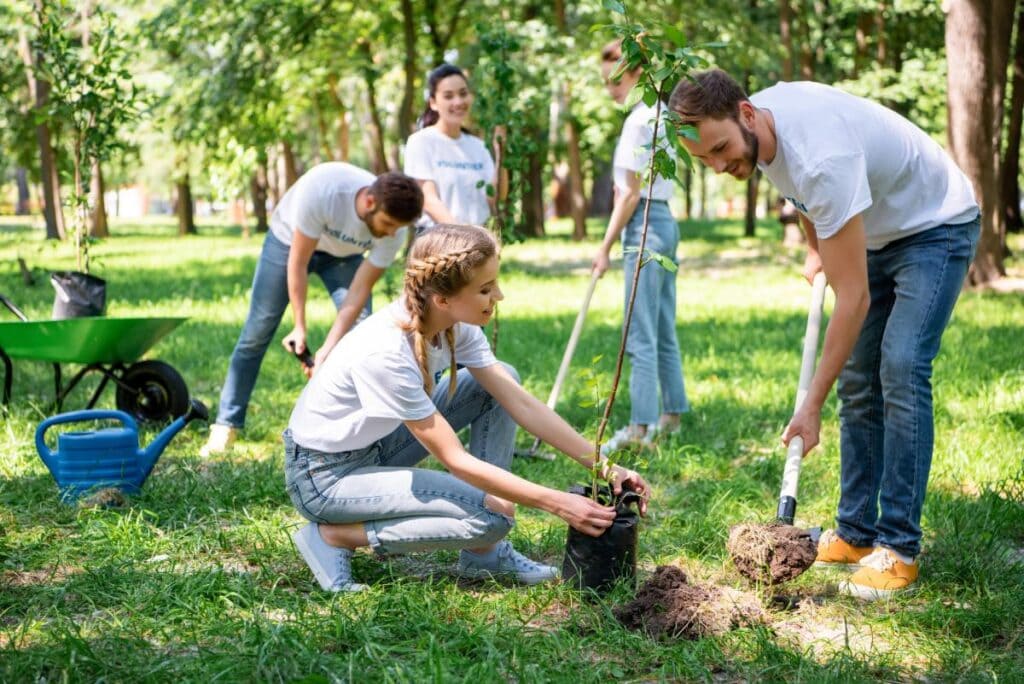
Environmental conservation is often viewed as a massive global challenge that requires heavy government intervention. Of course big national policies are essential to the long-term change, but the real action for a lasting change typically begins right down at the local level. It’s a big difference when regular folks join forces to defend their neighborhood. Community conservation projects give community members direct control and help to establish sustainable environmental gains that last for many decades.
Restoring Native Plant Life
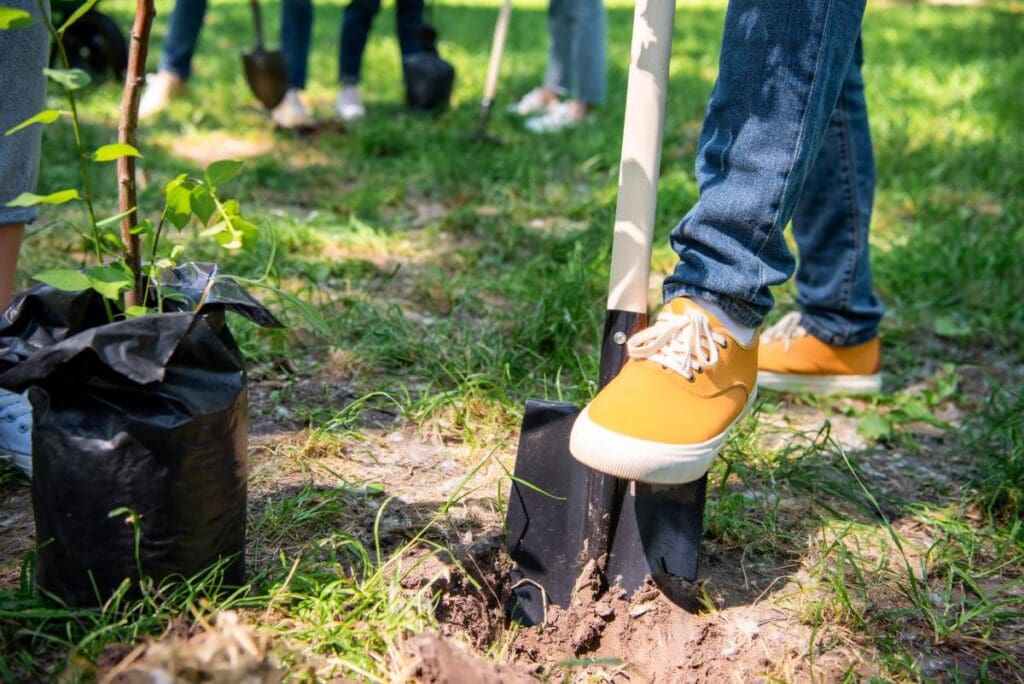
Native plant restoration is one of the best methods a community can use to enhance the local environment. The elimination of invasive weeds and replanting with native trees rejuvenates a degraded site by bringing life back into it. Conservation advocates like Patrick Putman of Alabama understand that native plants are the critical foundation of any healthy local ecosystem. These particular plants need little watering and no chemical fertilizers to grow and remain healthy. Neighborhoods can turn barren dirt lots into a flourishing resource for wildlife and healthy soil by coordinating weekend planting projects.
Protecting Local Waterways
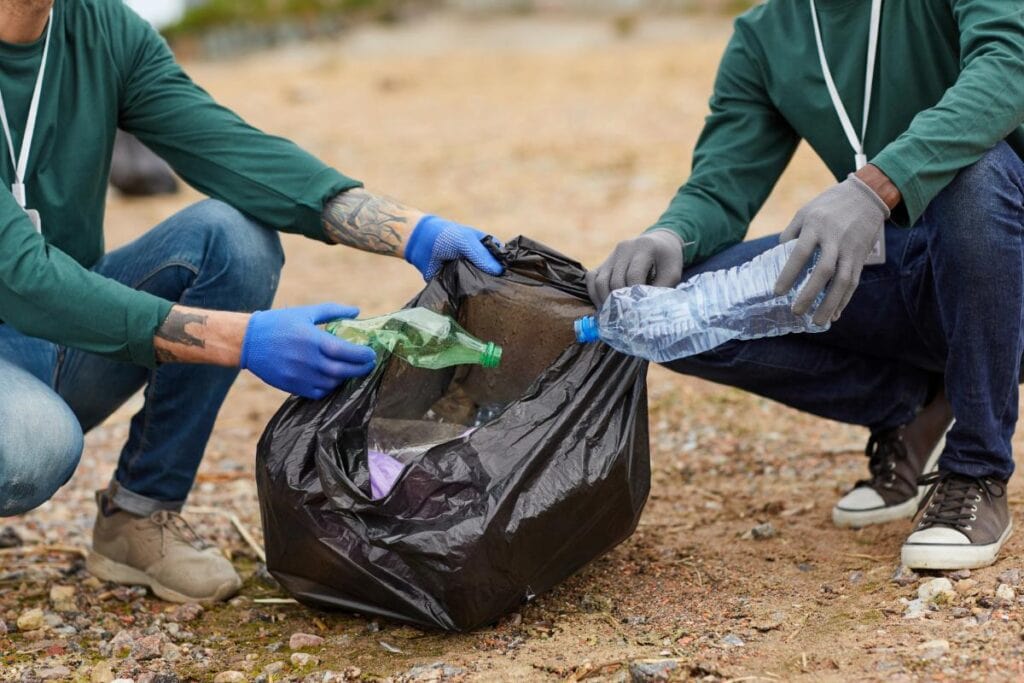
Clean water is the absolute lifeblood of any thriving natural environment. Local community projects dedicated to cleaning up local rivers and streams stop dangerous pollution from ruining sensitive river habitats. Cleaning a neighbourhood creek on a Saturday by the local volunteers is an instant improvement in water quality for all. The regular clean-up operations also increase public awareness of the risks associated with illegal dumping. Clean waterways ensure that local fish populations can breed safely while providing residents with beautiful natural areas for safe outdoor recreation.
Creating Safe Wildlife Corridors
Natural habitats are readily destroyed and wild animals become totally separate from each other in urban development. The solution of this huge problem is to create safe wildlife corridors by community conservation groups. The animals have safe passages through the busy suburban areas by simply linking small neighbourhood parks and nature preserves. These uninterrupted green spaces enable deer birds and small mammals to move around safely for food and mating sites. Protecting these vital travel routes ensures that local wildlife populations remain genetically diverse and highly resilient against rapid urban expansion in the future.
Educating the Next Generation
The real sustainability of any environmental initiative depends on the transfer of valuable knowledge to the next generations. Community conservation projects are ideal outdoor classrooms for the children living in the community. Children have a privileged relationship with nature when they get their hands dirty planting trees or testing river water. This practical training imparts to them the great importance of work and the care of the environment. Children who grow up actively participating in these local outdoor projects naturally become responsible adults who prioritize daily sustainability and fiercely protect their environment.
Fostering Strong Neighborhood Bonds
The healing of the environment goes hand-in-hand with the healing of the community. Conservation projects need to be team-based and involve much communication between neighbours who may not otherwise talk to each other. When an environmental objective is shared, people come together from very different backgrounds and develop strong respect and bonds of friendship. The best a community can do when it comes to the future of the environment is to be well connected. This solid social base assures that the parks and rivers that they restore today will receive proper preservation and devoted care from local people in the future, providing for many decades.
Conclusion
Creating a healthy and sustainable environment does not require waiting for massive global initiatives or sweeping government regulations. Community conservation proves that small and dedicated groups of ordinary people can generate incredible results right in their own backyards. Communities can have an immediate and lasting positive impact by replacing native plants that help protect local waterways and teaching neighborhood kids about their importance. If the local people care for their own natural environment they create a beautiful and very resilient natural environment which will benefit local wildlife as well as future generations.