
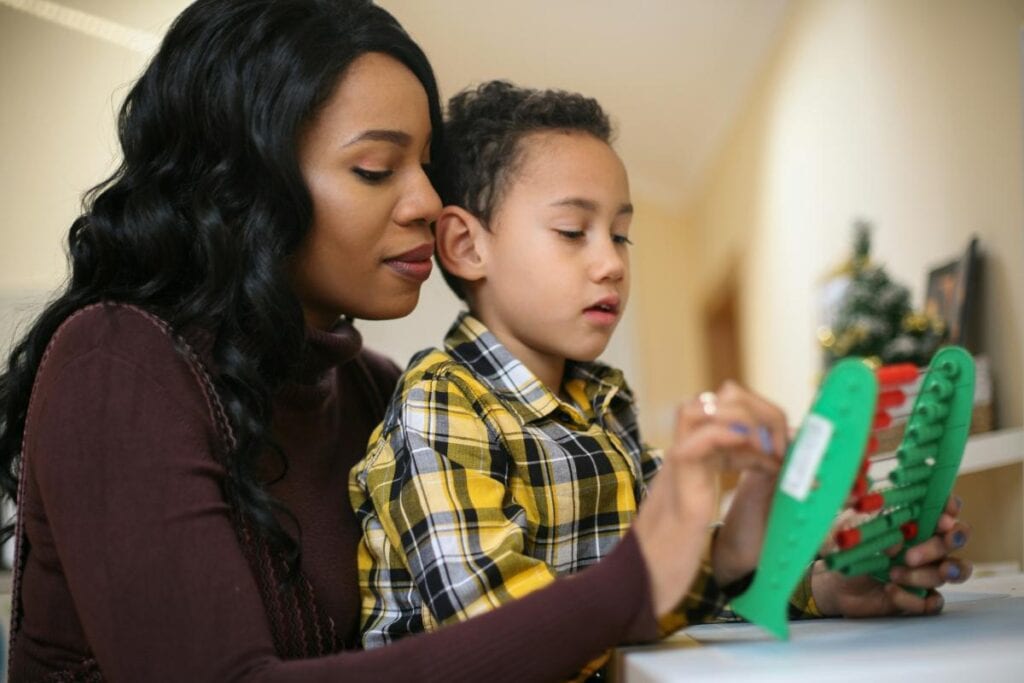
A love for learning starts with how children experience learning in their earliest years and how adults around them talk about school, curiosity, and effort. Parents play an essential role in shaping this outlook by paying attention to the environments, routines, and interactions that surround learning. When children feel supported and encouraged, learning becomes something they approach with interest rather than hesitation.
Today, parents are more aware of how early experiences influence long-term attitudes toward education. From the quality of schools to daily conversations at home, every touchpoint matters. Instilling a love for learning means creating consistency between what children experience in the classroom and what they experience in everyday life. This consistency helps learning feel natural, meaningful, and engaging.
Building Positive Learning Associations
Positive associations with learning often begin at school. Enrolling children in renowned schools where teachers understand early development can shape how kids view learning from the start. Teachers with early childhood education credentials are trained to support emotional growth alongside academic skills. Their classrooms tend to focus on encouragement, structure, and age-appropriate challenges, which helps children feel safe and motivated while learning.
Many educators continue strengthening their knowledge while actively teaching. Some pursue an online early childhood education degree to balance work responsibilities with ongoing study. This continued learning helps teachers stay current with teaching strategies and child development research. Parents benefit from this dedication because children receive guidance from educators who remain deeply engaged with both practice and learning.
Encouraging Independent Exploration Alongside Guidance
Children develop confidence through exploration. Allowing kids to follow their interests helps them feel ownership over what they learn. At the same time, guidance provides direction and reassurance. Parents can support this balance by offering resources, asking thoughtful questions, and staying available without controlling every step.
Independent exploration teaches problem-solving and curiosity. Guidance adds stability and encouragement. Together, they help children feel capable while knowing support is always present. This approach helps learning feel empowering rather than intimidating.
Reading Together as a Shared Daily Activity
Reading together builds familiarity with language and ideas in a calm, supportive way. Shared reading time allows children to connect stories with attention and warmth. Moreover, it introduces new words and concepts naturally, without pressure.
Consistency matters more than length. Short daily reading sessions create a routine that children look forward to. Eventually, books become associated with comfort, interest, and connection, which strengthens a child’s relationship with learning.
Connecting Learning to Everyday Experiences
Learning becomes more meaningful when it connects to daily life. Parents can point out patterns, numbers, words, and ideas during regular activities like cooking, shopping, or walking outside. Such moments help children see learning as part of the world around them.
Everyday connections reinforce what children learn at school. They show that learning does not exist only in classrooms. This approach keeps curiosity active and helps children understand how knowledge fits into real situations.
Making Learning Part of Routines
Routines help children feel secure, and learning fits well into that structure. Simple habits like reading after dinner, talking about the school day, or setting aside time for creative activities create consistency. Learning becomes something children expect and enjoy as part of daily life.
This approach removes pressure and keeps the learning approachable. Children begin to see learning as a regular part of their day, supported by encouragement and familiarity. As such, this steady exposure helps learning feel comfortable and rewarding.
Offering Exposure to Different Subjects
Children often discover what they enjoy through exposure. Introducing a range of subjects allows kids to explore without pressure to specialize early. Art, science, music, nature, and storytelling all provide different ways for children to engage their curiosity. Exposure helps children notice what naturally captures their attention.
This variety supports openness and confidence. Children learn that learning comes in many forms and that interests can evolve. Parents who offer diverse experiences help children feel comfortable trying new things without fear of getting it wrong.
Modeling Enthusiasm for Learning
Children pay close attention to how adults talk about learning. Showing interest in new ideas, skills, or experiences sends a strong message. Parents who read, ask questions, or explore topics openly demonstrate that learning continues beyond school.
Enthusiasm does not require formal lessons. Talking about something you recently learned or showing curiosity during everyday moments helps children see learning as a natural part of life. This modeling shapes how children perceive learning long-term.
Providing Access to Materials and Tools
Access matters. Having books, writing tools, art supplies, or building materials within reach encourages exploration. Children are more likely to engage when materials feel available rather than restricted.
Moreover, access supports independent learning moments. Children can explore ideas on their own terms, whether through drawing, reading, or hands-on projects. Keeping materials visible helps learning feel inviting and familiar.
Talking Openly About What Children Are Learning
Conversation reinforces learning. Asking children about what they learned at school helps them process ideas and express thoughts. Open discussions allow kids to reflect, ask follow-up questions, and feel heard.
Listening matters as much as asking. If parents show genuine interest in what children share, kids feel encouraged to talk more. Such conversations strengthen understanding and help children connect learning to their own experiences.
Encouraging Questions Without Rushing Answers
Questions show curiosity and engagement. Allowing children time to ask and think supports deeper understanding. Parents can respond by exploring answers together or encouraging children to think through possibilities.
Avoiding rushed responses keeps curiosity alive. Some questions lead to conversations rather than immediate answers. This approach helps children value inquiry and feel comfortable expressing uncertainty, which supports a lasting interest in learning.
A love for learning grows through experiences that feel encouraging, consistent, and meaningful. Parents support this growth by paying attention to early school environments, daily habits, and the way learning is talked about at home. When curiosity feels welcome, and effort feels supported, children develop confidence in their ability to learn. This foundation helps learning remain something they approach with interest and enthusiasm as they grow.