
Ageing brings challenges, but simple assistive devices help older adults maintain independence and quality of life. Tools like grab bars, magnifying glasses, and hearing aids improve safety and comfort, making everyday tasks more manageable. With the right choices, these solutions enhance confidence, reduce strain, and bring greater peace of mind to daily living.

Understanding Simple Assistive Devices
Simple assistive devices greatly benefit older adults by making everyday tasks easier and supporting independence.
What Are Simple Assistive Devices?
Simple assistive devices are tools designed to support daily activities. Unlike high-tech gadgets, they are straightforward to use, serving as easy-to-use aids for everyday comfort. They aim to bridge the gap between the user’s needs and potential physical limitations.
You might find devices such as reachers for grasping items without bending or special jar openers to help with reduced hand strength. These devices reduce effort for routine tasks and fit seamlessly into daily living, making life more manageable.
Common Types Used by Older Adults
Older adults often rely on a variety of assistive devices. Canes and walkers are popular choices, providing stability for those with mobility challenges. Magnifying glasses assist those with declining vision, making reading possible again.
In the kitchen, utensils with larger handles or electric can openers simplify meal preparation, while bathroom aids like shower chairs and grab bars improve safety. The focus is on practicality, ensuring that each device addresses a specific issue without unnecessary complexity.
How Simple Devices Differ From Advanced Aids
Simple assistive devices stand out because of their straightforward functionality. While advanced aids may involve electronics or require technical knowledge to operate, simple devices prioritise ease of use. They don’t require power sources, complex manuals, or technical support.
These tools are more cost-effective than high-tech alternatives and remain effective, improving daily life without adding complications. Whether it’s a basic pill organiser or a non-slip mat, each item is designed to be intuitive and approachable.
Transforming Daily Living Through Assistive Devices
Assistive devices improve the quality of life for older adults by enhancing mobility, safety, personal care, and social interaction in everyday tasks, empowering individuals to live more independently and with greater dignity.
Improving Mobility and Independence
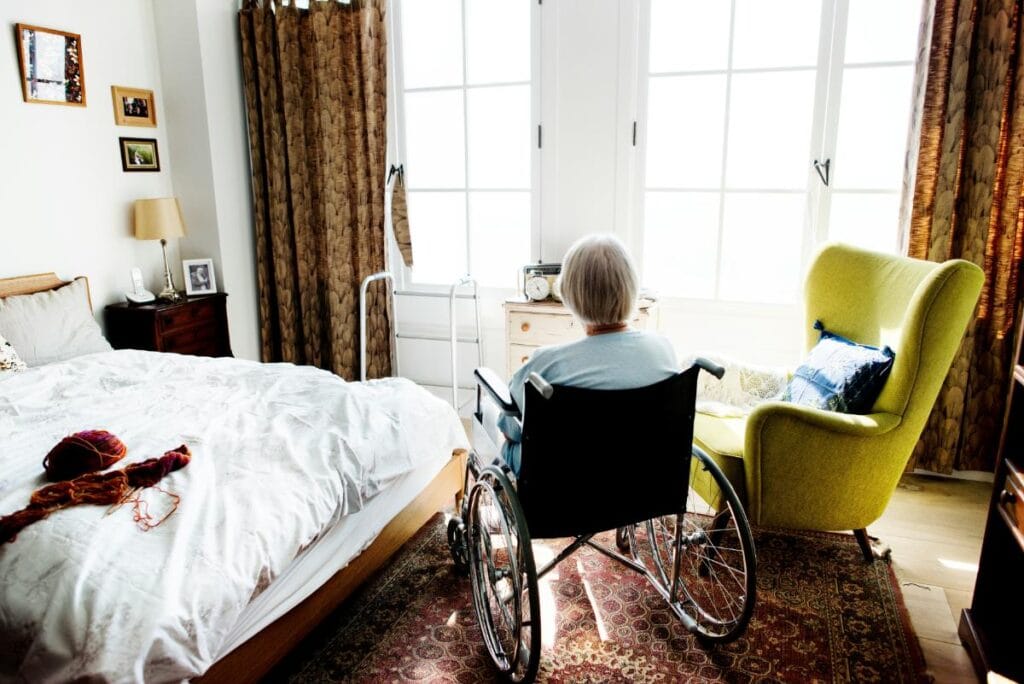
Mobility devices are essential for maintaining independence. Items such as walkers, canes, and wheelchairs are common solutions. They offer support and stability, reducing the risk of falls and injuries. Mobility scooters provide freedom to travel short distances, supporting participation in recreational activities and daily errands with less fatigue or need for assistance.
Boosting Safety Around the Home
Safety at home is paramount, and several assistive devices address this need. Simple tools, such as grab bars in bathrooms and stairlifts, ensure that navigating the home environment is secure. Devices like smoke detectors with verbal alerts and fall detection systems provide peace of mind. They keep you informed during emergencies and help create a safer living environment that reduces the risk of accidents and promotes confidence in daily activities.
Supporting Personal Care Activities
Personal care can become challenging with age, but assistive devices are changing this landscape. Tools like electric toothbrushes, long-handled shoehorns, and bath chairs make grooming both easier and safer. Devices enable tasks like bathing, dressing, and brushing teeth to be done independently, improving self-esteem and reducing reliance on others, allowing older adults to maintain personal dignity and personal hygiene effectively.
Enhancing Social Connection
Social interactions play a crucial role in emotional well-being, and technology assists here as well. Tablets with easy-to-use interfaces and voice-activated devices facilitate communication with family and friends, even from afar. These technologies keep you connected and engaged in community activities, while assistive listening devices support participation in conversations and social gatherings. Staying socially active helps combat feelings of isolation and loneliness, boosting mental health.
Emotional and Social Benefits of Assistive Devices
Assistive devices not only enhance physical capabilities but also provide significant emotional and social benefits for older adults. These tools instil confidence, reduce loneliness, and enable greater community involvement, transforming everyday experiences.
Promoting Confidence and Self-Esteem
When you can accomplish daily tasks independently, your self-esteem gets a boost. Devices like walkers or hearing aids empower you to move and communicate freely, reinforcing a sense of control over your surroundings. This newfound independence can be uplifting, changing the way you view challenges. It’s not just about doing things – it’s about experiencing renewed self-worth, helping you feel capable, less reliant on others, and more encouraged to stay active.
Reducing Feelings of Isolation
Many older adults face loneliness, particularly if mobility or communication becomes challenging. Assistive devices help bridge this gap. For instance, smartphones and tablets with accessibility features allow you to stay connected with family and friends through video calls, texts, and social media. Even tools like amplified phones can make communication easier, reducing the notion of being cut off from your loved ones. By improving your ability to interact, these devices can profoundly influence your emotional well-being.
Fostering Greater Participation in Community Life
Participating in social activities is crucial for mental health. With assistive devices, you can join community events, attend social gatherings, or simply enjoy outings with friends without worrying about physical limitations. You remain engaged with your community, leading to more fulfilling relationships while reinforcing your role within the social fabric. When you feel included and connected, it positively impacts your overall happiness.
Tips for Selecting and Adopting the Right Assistive Devices
Choosing the right assistive devices involves understanding specific needs, involving both loved ones and caregivers in the process, and fostering an environment that encourages acceptance and use of these tools. Each step is crucial to ensure that the chosen devices enhance daily living.
Evaluating Individual Needs
Understanding specific needs is key to selecting the right assistive devices. Consider mobility, vision, and hearing requirements. Assess daily activities to identify challenges. For example, if hands are unsteady, tools like modified utensils may be needed. If walking is difficult, a sturdy cane or walker can offer support.
Don’t forget to think about environmental factors too. Where will the device be used? Will it work well both indoors and outdoors? Matching the device to these conditions enhances its effectiveness. Remember, it’s not just about selecting a device that fits the need but also one that fits seamlessly into your routine. Seeking professional advice can provide additional insight.
Involving Family and Caregivers
Incorporating family and caregivers in the decision-making process is essential. Their insights might reveal needs or challenges you hadn’t considered. Schedule discussions to determine everyone’s perspective, ensuring the choice aligns with both personal and family expectations. Listening and sharing experiences make this process smoother.
This shared involvement doesn’t just inform better choices; it also strengthens relationships. As a team, you can test out devices together, ensuring comfort and usability for daily life. It fosters an environment where everyone is on the same page, creating a supportive network. Don’t overlook the power of cooperation in selecting and incorporating assistive devices, as it can lead to more effective outcomes.
Encouraging Device Acceptance and Use
Once the right device is chosen, getting comfortable with it is the next hurdle. Encourage regular use to build familiarity and confidence. Introduce the device gradually, integrating it into everyday tasks at a comfortable pace to avoid overwhelm. Set small, achievable goals to make progress rewarding.
Engaging with peers who use similar devices can also foster acceptance and provide motivation. Sharing successes, tips, and stories reinforces that using assistive devices enhances independence, rather than diminishing it. Open communication about any difficulties can prompt timely adjustments, ensuring that the device truly serves its intended purpose.
A Better Way to Live Independently
Simple assistive devices show that even small, practical changes can make a meaningful difference in everyday life, helping older adults stay safe, confident, and self-sufficient. By reducing physical strain and removing common barriers, these tools support both independence and peace of mind for individuals and their families. With the right choices and a willingness to adapt, it becomes easier to enjoy daily routines, stay connected, and maintain a high quality of life over time.