
Live music can completely transform a wedding reception, but the timing matters just as much as the performers. A brilliant band can lift the room, guide the mood, and create unforgettable moments, but only when the schedule gives them space to shine.
Here is a step-by-step guide to building a wedding reception timeline that keeps the day flowing smoothly and the dance floor full.
Step 1: Start With the Key Moments
Before planning music sets, map out the non-negotiable parts of the reception. This usually includes the drinks reception, wedding breakfast, speeches, cake cutting, first dance, and evening food.
Once these are in place, it becomes much easier to decide where live music will have the biggest impact. The goal is to support the flow of the day, not squeeze a band into gaps that are already too tight.
Step 2: Choose Music That Matches Each Stage
A wedding reception has different energy levels throughout the day. Soft acoustic music works beautifully during arrival drinks, while jazz, soul, or roaming musicians can help create a relaxed atmosphere during the meal.
For the evening party, a full live band brings the energy guests expect. Couples looking for performers can explore top UK wedding bands provided by Alive Network to find acts that suit their venue, style and guest list.
Step 3: Plan the Drinks Reception Carefully
The drinks reception is often the first part of the day where guests can relax properly. Live music here should feel welcoming rather than overpowering.
Allow enough time for photographs, canapés and conversation. A 60 to 90-minute acoustic or instrumental set usually works well, giving guests atmosphere without making the schedule feel rushed.
Step 4: Keep the Wedding Breakfast Flowing
During dinner, music should complement the room rather than compete with it. Keep the volume comfortable, especially if guests are seated close together.
This is a good time for background musicians, a pianist, a string duo or a mellow acoustic act. Avoid placing high-energy performances here unless you want to interrupt the natural rhythm of the meal.
Step 5: Give Speeches Breathing Room
Speeches often take longer than expected, so build in buffer time. Even a short delay can affect when the evening entertainment begins.
Avoid scheduling the band to start immediately after speeches. Give guests time to stretch, refresh drinks, and move towards the evening space before the music begins.
Step 6: Time the First Dance Properly
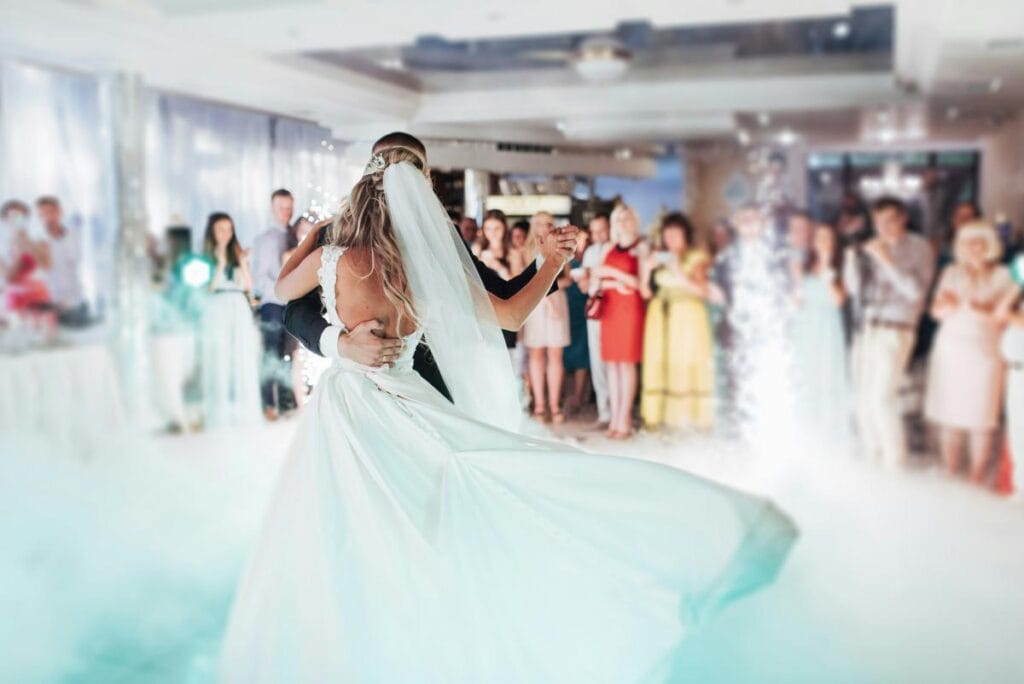
The first dance usually works best once evening guests have arrived, and everyone is gathered around the dance floor. This is the natural launch point for the party.
Ask the band whether they can perform your first dance live. A live version can make the moment feel more personal, but it needs to be agreed in advance so the musicians have time to prepare.
Step 7: Structure the Evening Sets
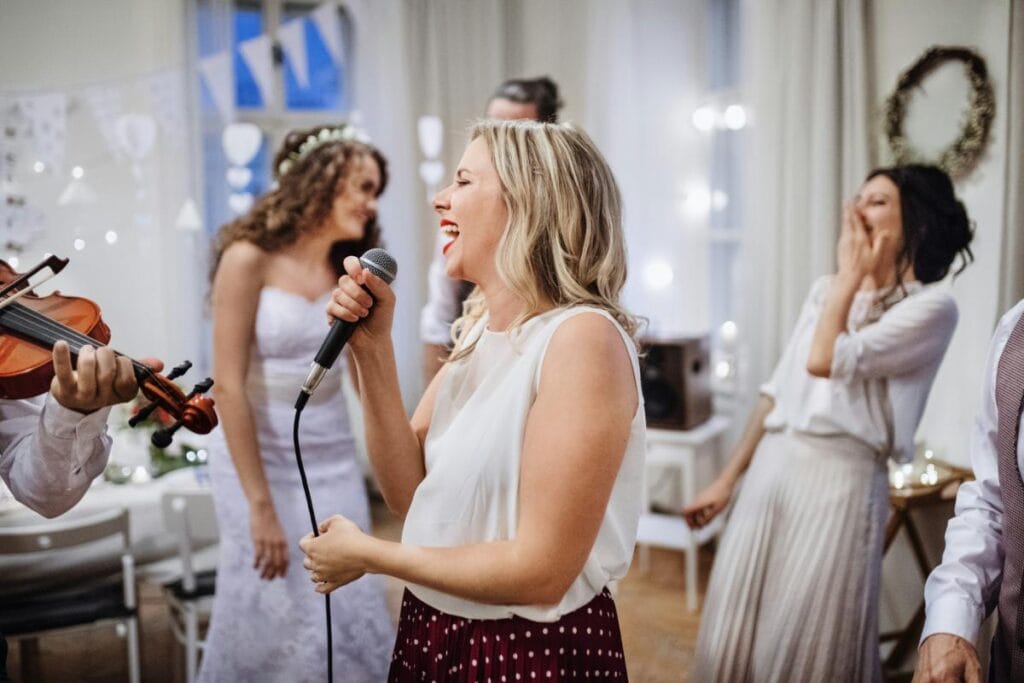
Most wedding bands perform in two or three sets, often split across the evening. A popular structure is two 60-minute sets or three 40-minute sets.
The first set should get people moving, while the final set should be packed with crowd-pleasers. Between sets, use a playlist or DJ service so the atmosphere does not drop.
Step 8: Coordinate Food With the Music
Evening food is essential, but it can empty the dance floor if timed badly. Try not to serve food just as the band begins their biggest set.
A good approach is to schedule food during a band break or just before the final set. That way, guests refuel and return ready for the last big push on the dance floor.
Step 9: Build In Setup and Soundcheck Time
Live bands need time to unload, set up, soundcheck, and change if necessary. This is especially important if the same room is being used for dinner and dancing.
Speak to the venue and band early about access times, power requirements and noise limits. A well-planned setup avoids awkward delays later in the evening.
Step 10: End on a High
The final song matters. Choose something joyful, familiar and easy for everyone to sing along to.
Whether it is a classic anthem, a favourite party track or a song with personal meaning, ending the night with a shared moment gives guests one last memory to take home.
The best wedding timelines feel relaxed, not rigid. When live music is planned thoughtfully, it becomes part of the emotional rhythm of the day, from the first welcome drink to the final dance. Give each performance the right moment, allow room for delays, and choose music that reflects you as a couple. The result is a reception that feels effortless, energetic, and unforgettable.