
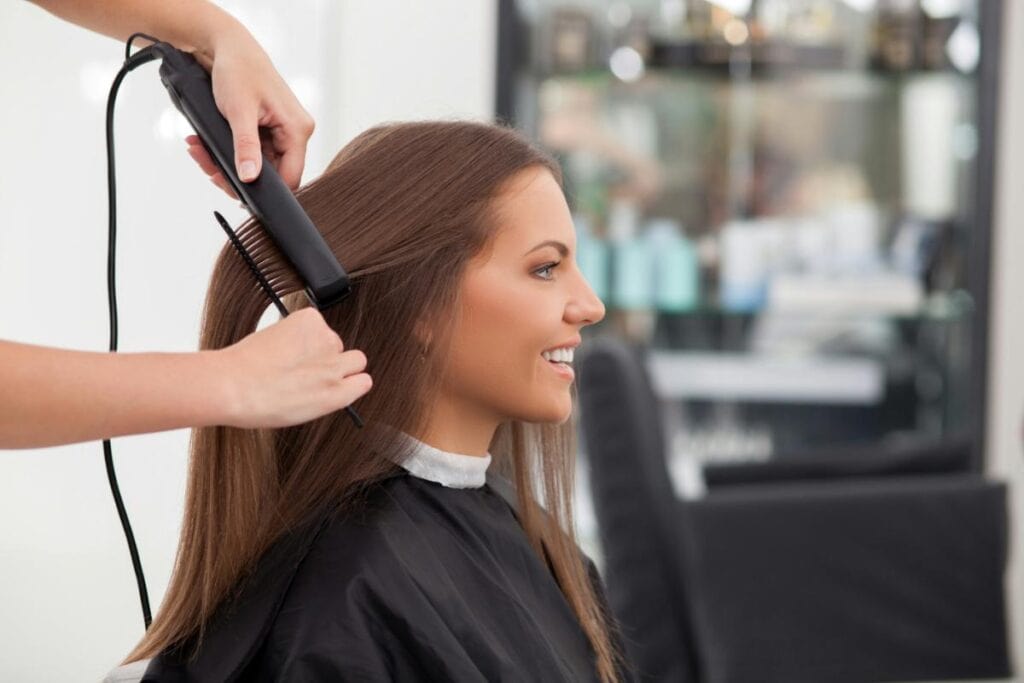
The right hair tools can completely transform your morning routine—turning what might feel like an uphill battle into a confidence-boosting ritual that sets the tone for your entire day. Finding the perfect hair dryer, a versatile hair styler, or even just the right brush starts with understanding what makes your hair unique. With so many options on the market today, knowing how to navigate your choices becomes crucial for maintaining healthy hair while achieving the look you’re after.
Understanding Your Hair Type
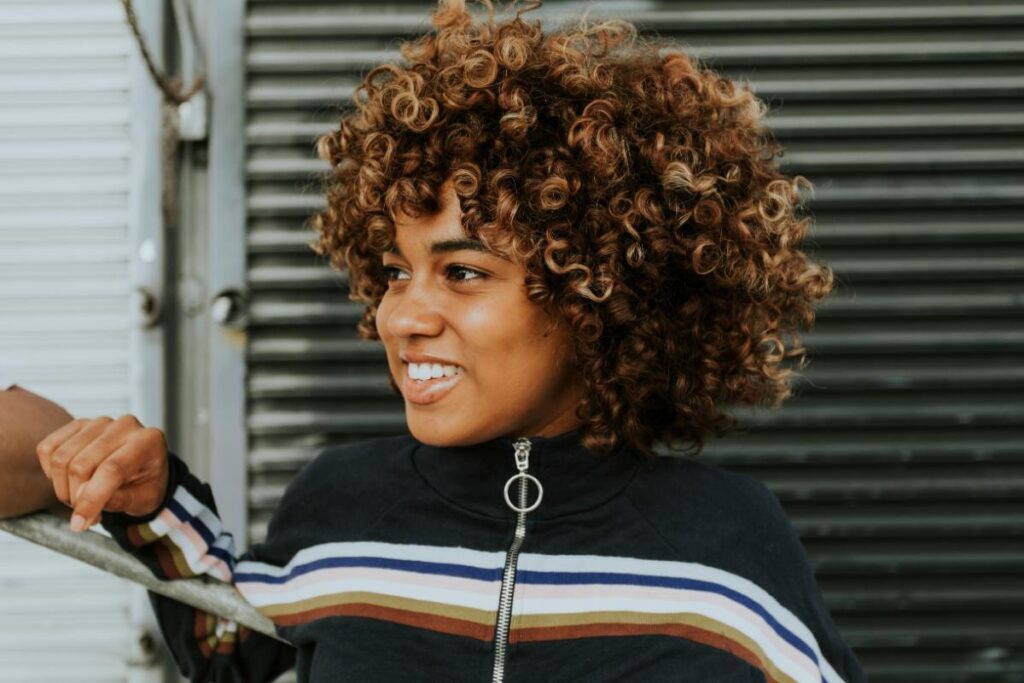
Getting to know your hair type is where everything begins. Hair professionals break hair down into four main categories: straight (Type 1), wavy (Type 2), curly (Type 3), and coily (Type 4). Within each category, you’ll find subcategories that account for thickness and how pronounced the curl pattern is.
But there’s more to the story than basic classification. Three key characteristics really drive tool selection: texture, thickness, and porosity. Texture describes how thick or thin each individual strand is, thickness refers to how much hair you actually have on your head, and porosity tells you how readily your hair soaks up and holds onto moisture.
Want to figure out your hair type at home? Start by watching how your hair behaves when you let it air-dry without any products. Fine hair usually feels silky and might look a bit flat, while coarse hair has more roughness and natural volume. To test porosity, try the water test: drop a clean strand into a glass of water. If it sinks quickly, you have high porosity hair; if it floats for a while, your porosity is low.
Essential Hair Tools and Their Functions
Each tool in your arsenal serves a specific purpose, and understanding these functions helps you make smarter choices. Hair dryers give you controlled heat and airflow for quick drying and basic shaping. Brushes and combs work to detangle and style—paddle brushes work beautifully on straight hair, while wide-tooth combs are gentler on curly textures.
Heat styling tools cover a lot of ground: straighteners smooth things out, curling irons add waves or curls, and multi-functional stylers combine several techniques in one device. Diffusers attach to your blow dryer to spread airflow more gently, which curly and wavy hair types especially appreciate.
| Hair Type | Recommended Tools | Avoid |
| Fine/Straight | Lightweight dryers, boar bristle brushes, low-heat straighteners | Heavy tools, high heat settings |
| Thick/Wavy | Powerful dryers with diffusers, mixed-bristle brushes, variable heat tools | Fine-tooth combs when wet |
| Curly/Coily | Microfiber towels, wide-tooth combs, ionic dryers with diffusers | Regular terry cloth towels, fine brushes |
Key Takeaway: Tools that offer flexibility—like adjustable-heat dryers and multi-functional stylers—typically give you the most bang for your buck across different hair types.
Factors to Consider When Choosing Hair Tools
The materials your tools are made from can make or break your styling results. Ceramic plates and barrels spread heat evenly, eliminating those damaging hot spots that can fry your hair. Tourmaline creates negative ions that help seal your hair cuticles, leaving you with smoother, less frizzy results. Titanium heats up fast and stays consistent, making it perfect for thicker, coarser hair that needs a bit more oomph.
Temperature control isn’t just a nice-to-have feature—it’s essential for keeping your hair healthy. Fine hair does best with lower temperatures (250-300°F), while thick, coarse hair might need higher settings (350-400°F) to get the job done. Tools with adjustable heat settings let you customize based on what your hair needs and what you’re trying to achieve.
Don’t overlook comfort and usability. Lightweight tools won’t leave your arms aching during longer styling sessions, and a good grip prevents awkward slips. Safety features like automatic shut-off, heat-resistant tips, and temperature locks give you peace of mind while you style.
Practical Tips for Maintaining Hair Health with Styling Tools
Protecting your hair from heat damage starts before you even turn on your tools. Heat protectant products create a crucial barrier between your hair and high temperatures—never skip this step. And here’s a golden rule: never apply high heat to soaking wet hair unless your tool is specifically designed for wet styling.
Keep your tools in good shape with regular maintenance:
• Clean styling surfaces weekly with the right products
• Pull hair out of brushes after every use
• Store tools somewhere dry to prevent moisture problems
• Replace worn-out attachments as soon as you notice wear
Did You Know? Dirty styling tools become breeding grounds for bacteria and product buildup that gets transferred right back to your freshly washed hair, potentially irritating your scalp.
Watch for warning signs that you might be overdoing it: more breakage than usual, hair that looks dull, split ends appearing faster, or changes in your hair’s texture. When you notice these red flags, dial back the heat styling and lower your temperature settings.
Real-World Scenarios: Matching Tools to Lifestyles
Take Sarah, for example—she’s a busy professional with fine, straight hair who needs to get styled and out the door quickly each morning. Her perfect toolkit includes a lightweight ionic dryer, a compact paddle brush, and a small straightener that heats up in seconds. These tools help her minimize styling time while being gentle on her delicate hair.
Now consider Marcus, who has thick, curly hair and the luxury of working from home. His routine revolves around a powerful dryer with a diffuser attachment, a wide-tooth comb for gentle detangling, and curl-enhancing products applied with microfiber towels. His tools prioritize bringing out his natural curl definition and locking in moisture rather than speed.
Making Informed Choices for Healthy, Beautiful Hair
Choosing the right hair tools comes down to understanding both your hair’s unique characteristics and how your lifestyle shapes your styling needs. A quality tool that’s designed for your specific hair type will always outperform an expensive gadget that’s wrong for you. Start with the basics—a solid dryer, the right brush, and a good heat protectant—then build your collection as you discover what styles work best for you.
At the end of the day, healthy hair is the best foundation for any look you’re going for. Invest in tools that work with your hair’s natural tendencies while helping you achieve your style goals safely and efficiently.