
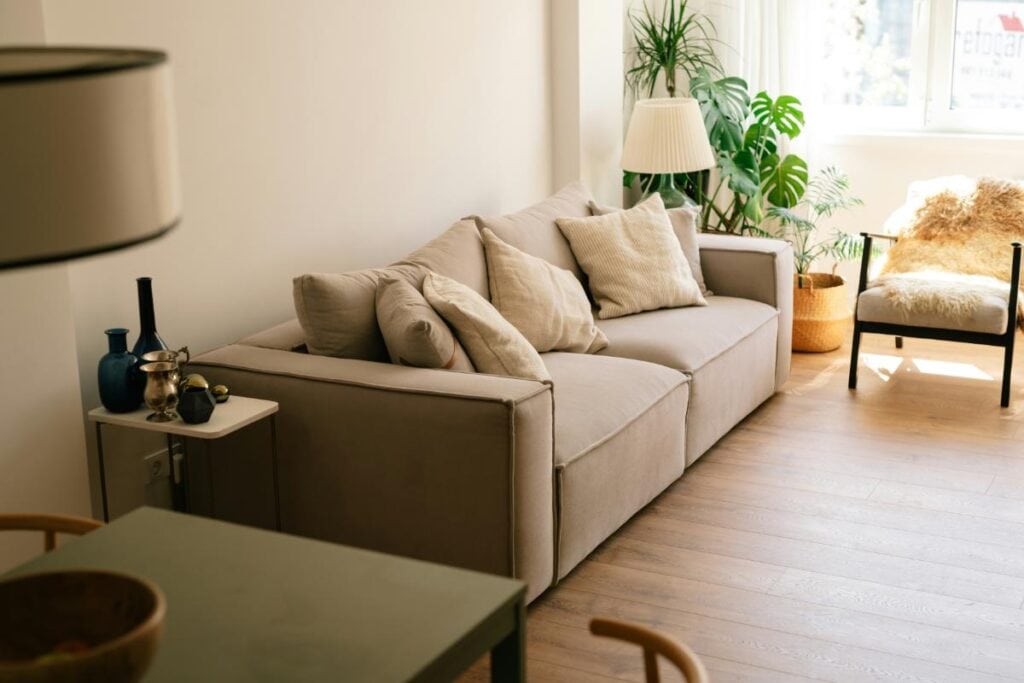
A cozy living room is about more than soft blankets and decorative pillows. It’s the place where families unwind after a busy day, friends gather over coffee, and quiet evenings become something to look forward to. Creating a welcoming space doesn’t require a complete renovation or a large budget. Instead, it’s about making thoughtful choices that improve comfort, functionality, and atmosphere.
Whether your home is large or small, these practical ideas can help you create a living room that naturally draws people in and encourages them to stay a little longer.
Start with Comfortable, Flexible Seating
Comfort is the foundation of any inviting living room. If seating feels cramped or awkward, people are less likely to relax.
When choosing furniture, think about how your household actually uses the room. Do you host movie nights? Need space for children to play? Entertain guests regularly? Selecting furniture that can adapt to different situations makes the room far more practical.
For households that need versatility, a modular sofa collection offers flexibility without sacrificing comfort. Individual sections can be rearranged for gatherings, family evenings, or new layouts over time. This makes it easier to create a living space that grows with your needs.
Whatever style you choose, leave enough room to move comfortably around the furniture. A layout that feels open is often more relaxing than one packed with oversized pieces.
Layer Different Types of Lighting
Lighting has one of the biggest influences on how a room feels.
Many living rooms use one overhead light, but several light sources create a softer feel that’s easier on the eyes.
Consider combining:
- Floor lamps beside seating areas
- Table lamps for reading corners
- Wall sconces where appropriate
- Candles or battery-operated flameless candles for evening ambience
Whenever possible, maximize natural daylight during the day by keeping window treatments light and easy to open.
Layered lighting can make a room feel more comfortable and practical by combining ambient, task, and accent light.
Add Texture Instead of Clutter
A room doesn’t need dozens of decorative objects to feel warm and inviting. Instead, focus on layering textures that create visual interest without overwhelming the space.
Try mixing materials like:
- Chunky knit throws
- Linen cushions
- Soft wool rugs
- Woven baskets
- Wooden coffee tables
- Velvet accent chairs
Combining smooth, rough, soft, and natural materials creates depth that makes the room feel lived-in rather than overly styled.
Choose Colours That Feel Calm
Colour has a surprisingly powerful effect on mood. Neutral shades such as warm whites, soft greys, taupe, sage green, and muted earth tones help create a peaceful environment that works throughout the year.
That doesn’t mean everything needs to match perfectly. Adding subtle accents through artwork, cushions, or plants introduces personality without making the room feel busy.
Some colour-psychology research suggests that softer, nature-inspired colours can feel calmer and less visually demanding.
Make the Layout Encourage Conversation
Many living rooms unintentionally focus every seat directly at the television. While TVs certainly have their place, arranging furniture to encourage conversation creates a more welcoming environment.
Try positioning chairs opposite one another or placing seating in a gentle U-shape around a coffee table.
Interior designers often recommend keeping seating close enough that people can comfortably chat without raising their voices. This simple adjustment makes gatherings feel more natural.
Bring Nature Indoors
Houseplants instantly soften a room.
Beyond their appearance, they also introduce natural colour and texture that help a space feel fresh and inviting.
Low-maintenance options include
- Snake plants
- ZZ plants
- Pothos
- Peace lilies
- Spider plants
RHS guidance says houseplants are associated with improved mood, reduced stress, and a greater sense of wellbeing.
If caring for plants isn’t your strength, high-quality artificial greenery can still provide a similar visual effect.
Include Personal Touches
A cozy living room should feel like it belongs to the people who live there.
Rather than filling shelves with generic décor, display items that tell your family’s story.
Ideas include:
- Framed family photographs
- Travel souvenirs
- Children’s artwork
- Favourite books
- Handmade pottery
- Vintage finds
These details create warmth because they carry memories and personality.
Keep Everyday Clutter Under Control
Clutter can quickly make even the nicest room feel stressful.
That doesn’t mean every surface needs to be perfectly clear. Instead, create simple systems that make tidying easy.
Storage baskets are ideal for blankets, toys, or magazines.
Coffee tables with hidden storage can reduce visual clutter while keeping everyday essentials close by.
Even spending five minutes each evening returning items to their proper place can help the room feel consistently inviting.
Create Small Comfort Rituals
Sometimes it’s the little details that make people feel at home.
Think beyond furniture and décor.
Simple touches might include:
- Keeping a basket of cozy blankets nearby
- Lighting a candle before settling in for the evening
- Creating a playlist for quiet afternoons
- Having a tray ready for tea or coffee
- Displaying favourite seasonal decorations
These routines help transform the living room into a space people genuinely enjoy spending time in.
Don’t Forget the Senses
A cozy room appeals to more than just sight.
Think about how the room sounds, smells, and feels.
Soft furnishings naturally absorb echoes, making conversations more comfortable.
Pleasant scents from fresh flowers, baked goods, or lightly fragranced candles can create positive associations with the space.
Background music played quietly during family dinners or weekend mornings can also contribute to a calm atmosphere.
The goal isn’t perfection but creating an environment that feels welcoming from the moment someone walks through the door.
Comfort Should Come First
Home design trends change every year, but genuine comfort never goes out of style.
Rather than chasing every new decorating idea, focus on creating a room that supports your family’s everyday life.
Choose furniture you’ll actually enjoy using. Add lighting that makes evenings feel relaxing. Layer textures that invite people to sit down. Include meaningful personal touches that reflect your family’s personality.
When a living room is designed around comfort and connection instead of appearances alone, it naturally becomes the place everyone wants to spend time.