
Moving day is tough for any family, but it can be even tougher for some due to the inclusion of kids, pets, school days, and other commitments. An unplanned move can turn into a hectic one, but proper planning ensures that everybody knows their roles and what is expected from them on the move day. It involves preparation of the belongings, responsibility allocation, item safety, and taking care of the children as well. With proper planning and realistic goals, it can be done without much hassle.

Preparation Before Moving Day
One of the best methods to decrease moving day stress is to do as much work as possible prior to moving day. Families can start packing unnecessary things about two to three weeks before the move, beginning with seasonal clothes, decor, books, and infrequently used items. The boxes must be clearly marked according to their location and what kind of stuff they contain so that the box can be placed in the right place in the new house. All vital documents, medicines, chargers, personal care items, and other necessary things should stay accessible, not packed in the boxes that will not be unpacked immediately.
Families can also make an easy schedule for the last few days before the move. Such things as cleaning, unplugging the appliances, arranging everything, and preparing the kids for the new stage can be done in advance, rather than on moving day. In case you hire professionals to assist in the moving process, you will also want to confirm the time of their arrival and the access to your house. Using services of a reputable Toronto moving company will allow you to cope with the physical part of moving.
Organization On Moving Day
The morning routine can have an impact on the following events of the day. It is important for the grown-ups to know what belongings require careful attention and what rooms have to be emptied first. A place can be allocated for essential belongings in order to prevent them from being put in the moving truck by mistake. It might be good to prepare small bags for each family member with clothes, hygiene products, some snacks, chargers, and anything else needed for the first night.
It is also necessary to communicate with others who are responsible for the move. Age-appropriate tasks can be assigned to children, while adults can distribute the responsibility between supervising the movers, checking the rooms, and managing the documents. Before the departure from the previous residence, somebody has to walk through closets, cabinets, storage places, garages, and other locations. This will allow to avoid any forgotten things and to ensure that the house was left in an appropriate condition.
Supporting Children During the Move
When things become unfamiliar to children due to changes in their environment, they may experience some form of confusion. Parents need to simplify the whole situation for the kids through clear and straightforward explanations about the moving process and how moving day will take place. Parents can ensure that children keep some items of familiarity as the house becomes more chaotic. The toys, books, beddings, or gadgets of the children should not be hidden in the boxes if they may still be required on the moving day.
Furthermore, parents can think about how children will use their time when moving takes place. It may be better for small children to stay with relatives, friends, or caregivers when furniture moves in and out. On the other hand, older children can get involved with certain activities like checking the boxes or organizing things in their rooms. This helps children feel included rather than overwhelmed with what is going on around them.
Managing Essential Household Needs
The family needs to be prepared that not all things may be unpacked right away. It will be better if there is a special box with supplies of food, water, cleaning materials, towels, toiletries, bedding, and basic kitchen utensils because this will make the very first night less troublesome. The fact that everything is gathered in one place will allow the family not to go through all the boxes when they arrive at their new house. It would also be good to have some basic tools to assemble furniture.
Just like people, animals need to be considered when moving. When the doors are open for a long time in order to carry boxes and furniture inside, animals might escape or get scared of something. That is why keeping them in some safe place will prevent this from happening. It will be important to make sure that there is enough food, water, medication, and other things for them after moving to the new house.
Settling Into the New Home
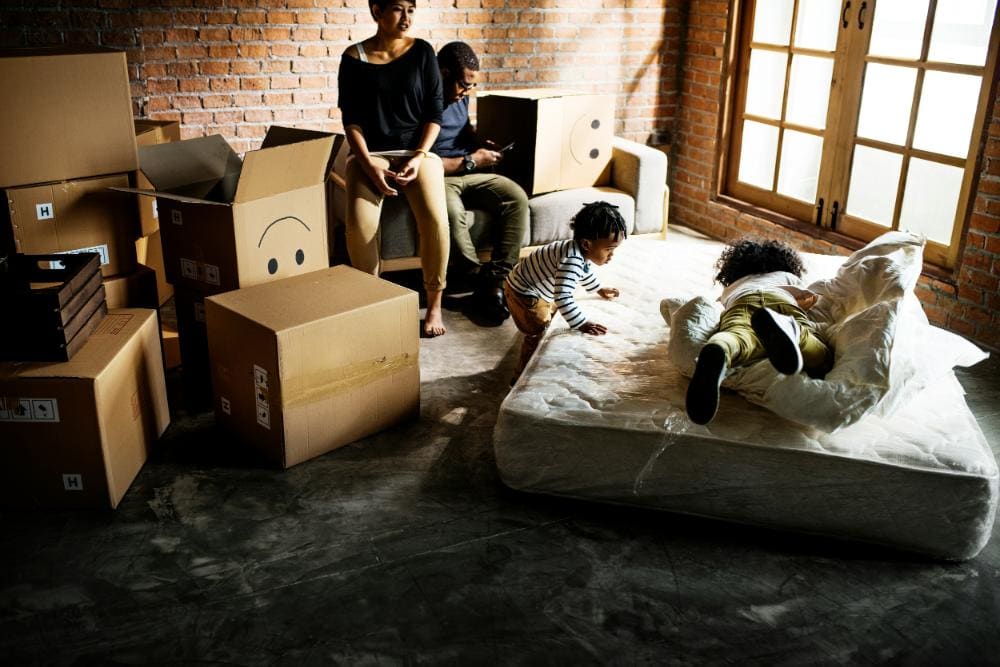
Unwrapping the whole house at once may not be necessary and may cause undue stress. The family can consider prioritizing some areas to make the essentials functional and use those spaces as a place to start creating the feeling of normalcy while unboxed areas will remain untouched. Once these areas are functional, then the other less important rooms can slowly be organized based on the time and energy available.
It is wise for the family to know that moving is never smooth. Sometimes delays, fatigue, misplaced items, and many other unexpected things can happen regardless of how much you prepare. The family can prevent themselves from becoming frustrated in the process by being prepared for any unexpected events and being flexible to the idea that not all of the work can be done in a single day.
Moving day gets simpler if the family is organized, plans ahead, and prioritizes its most crucial requirements. By sorting out the necessities first, taking care of children and pets, communicating effectively, and making a realistic schedule, a lot of potential problems that could cause stress can be avoided. Upon arrival at the destination, there is no necessity to open all the things straight away. It is better to create comfortable zones first and then deal with the rest.