
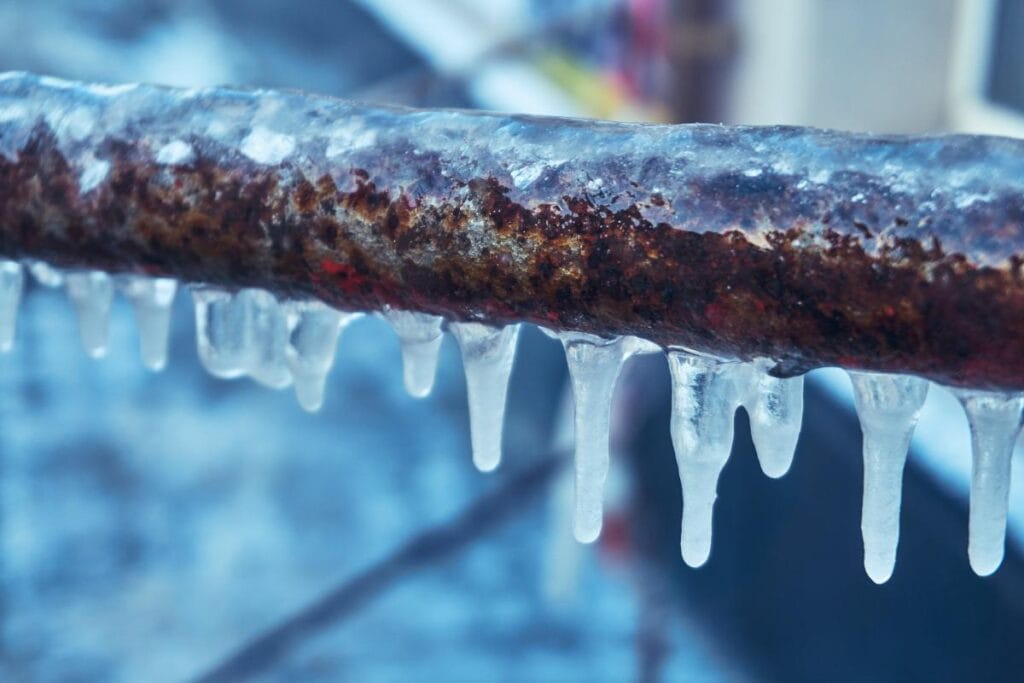
Cold winter weather can cause some real trouble for your home’s plumbing. One of the most common problems homeowners deal with during freezing temperatures is burst pipes. When pipes freeze, pressure builds up inside them, and that can make the pipe crack or break. When that happens, water can quickly flood parts of your home and cause expensive damage.
The good news is that burst pipes can often be avoided with a few simple steps. If you prepare your home before temperatures drop and know how to protect your plumbing, you can lower the risk of frozen pipes. This guide explains why pipes burst, how to spot early warning signs, and what you can do to keep your pipes safe during freezing weather.
How Water Freezing Causes Pipes to Burst
Water expands when it freezes. Inside a pipe, that expansion creates pressure. As the ice grows, it pushes against the walls of the pipe. If the pressure gets too high, the pipe can crack or split open.
A lot of people think pipes only burst where the ice forms. But actually, the break often happens somewhere between the frozen section and a closed faucet. The pressure builds up in that part of the pipe until it simply can’t handle it anymore.
Even a small crack can release a lot of water once the ice melts. That’s why frozen pipes can quickly turn into serious water damage inside a home.
Pipes Most at Risk During Winter
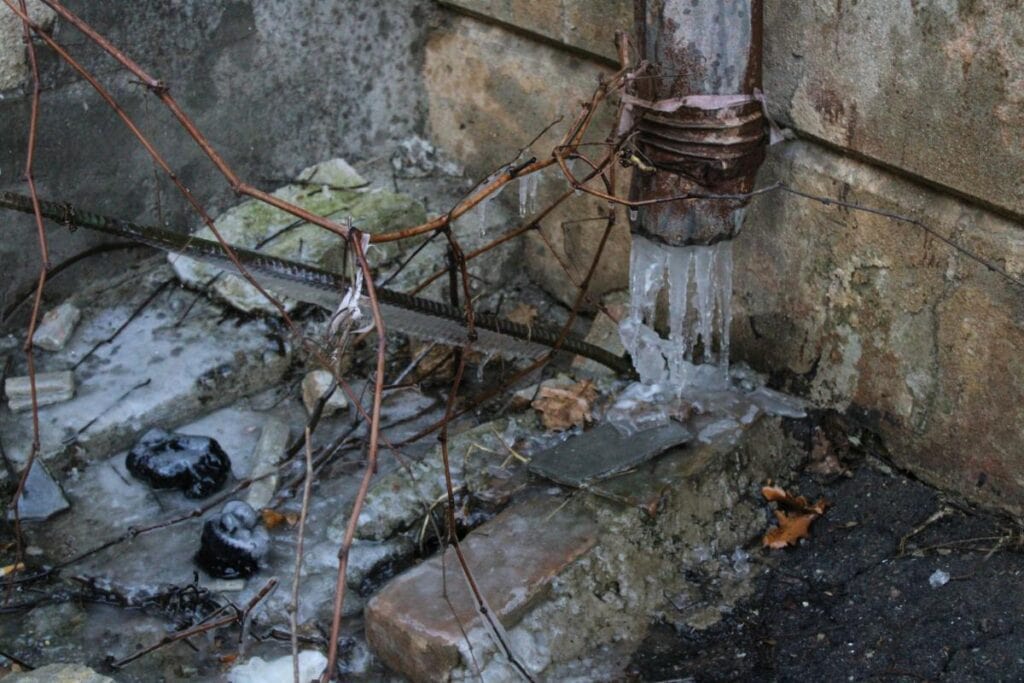
Some pipes are much more likely to freeze than others. Pipes located in colder parts of the house are usually the most vulnerable. These areas often include basements, crawl spaces, attics, garages, and exterior walls.
Pipes under kitchen and bathroom sinks can also freeze, especially if those cabinets sit against outside walls. Outdoor plumbing fixtures, like hose bibs and irrigation lines, are also at risk during winter.
Homes that do not have good insulation or have small air leaks are more likely to deal with frozen pipes because cold air can reach the plumbing more easily.
Warning Signs Your Pipes May Be Freezing
Little or No Water From Faucets
One of the first signs of a frozen pipe is weak water flow. If you turn on a faucet and only a small amount of water comes out, the pipe might be starting to freeze.
If nothing comes out at all, the pipe could already be blocked by ice.
Frost on Pipes
Another clear sign is frost forming on the outside of pipes. If you notice frost or ice buildup on exposed pipes, that usually means the temperature around the pipe has dropped below freezing.
Pipes in basements or crawl spaces are easier to check, so it’s a good idea to look at them during very cold weather.
Strange Smells From Faucets
Sometimes frozen pipes can cause strange smells to come from faucets or drains. This happens because the ice blocks normal water flow and can push odors back through the pipes.
It doesn’t happen all the time, but it can still be a warning sign that something isn’t right.
10 Effective Ways to Prevent Burst Pipes in Freezing Weather
Insulate Exposed Pipes
One of the best ways to protect pipes is by insulating them. Foam pipe insulation sleeves are easy to install and help keep pipes warmer. These covers help prevent the pipe temperature from dropping below freezing.
Seal Cracks and Gaps
Cold air can enter your home through tiny cracks around doors, windows, or walls. If those openings are near pipes, they can cause the pipes to freeze. Sealing those gaps with caulk or insulation helps keep cold air out.
Keep Cabinets Open
During very cold nights, open the cabinet doors under sinks. This lets warm air from the room reach the pipes inside, which can help keep them from freezing.
Let Faucets Drip
Letting a faucet drip slightly can help prevent freezing. Moving water is less likely to freeze than still water. Even a small drip can reduce pressure inside the pipe and lower the risk of it bursting.
Keep the Thermostat Consistent
Try to keep your home’s temperature steady during winter. Avoid turning the heat completely off if you leave the house. Even when you’re away, it’s better to keep the thermostat set to a safe temperature.
Disconnect Outdoor Hoses
Outdoor hoses should always be removed before freezing weather starts. If a hose is left attached, water can stay trapped inside the pipe and freeze.
Shut Off and Drain Outdoor Faucets
If possible, turn off the water supply to outdoor faucets and drain the leftover water. This helps prevent freezing and protects the pipes connected to outdoor plumbing.
Use Heating Tape for Pipes
Heating tape or heating cables can be wrapped around pipes that are more likely to freeze. These provide gentle warmth that helps keep pipes above freezing temperatures.
Insulate Attics and Crawl Spaces
Attics and crawl spaces can get extremely cold during winter. Adding insulation in these areas helps protect pipes and keeps temperatures more stable.
Open Interior Doors
Opening interior doors helps warm air move around the house. This is especially helpful in rooms with plumbing, like kitchens and bathrooms.
What to Do If Pipes Start Freezing
Turn On the Faucet
If you think a pipe might be freezing, turn on the faucet connected to that pipe. Running water helps relieve pressure and may also help melt the ice.
Apply Gentle Heat
You can slowly warm the pipe using safe heat sources like a hair dryer, heating pad, or warm towels. Start near the faucet and work your way toward the frozen section.
Never Use Open Flames
Never use a blowtorch, propane heater, or any open flame to thaw pipes. This is dangerous and can easily start a fire or damage the pipe.
What to Do If a Pipe Bursts
Shut Off the Main Water Supply
The first thing you should do is turn off the main water valve in your home. This stops water from flowing and helps prevent more flooding.
Turn Off Electricity if Needed
If water spreads near outlets, appliances, or electrical areas, turn off the electricity in that part of the home for safety.
Call a Restoration Professional
Burst or leak pipes usually need professional burst pipe repairs. A licensed professional can find the damaged section and replace it properly.
Start Water Cleanup Quickly
Standing water can damage floors, walls, and furniture. Drying the area as soon as possible helps reduce the risk of mold and other structural issues.
Long-Term Solutions to Protect Your Plumbing
Upgrade Pipe Insulation
Improving pipe insulation is one of the best long-term fixes. Modern insulation materials provide stronger protection against freezing temperatures.
Relocate Vulnerable Pipes
If certain pipes freeze every winter, a plumber might recommend moving them away from exterior walls or unheated spaces.
Schedule Seasonal Plumbing Inspections
A yearly plumbing inspection can help spot potential problems before winter starts. Professionals can check insulation, seal gaps, and suggest improvements.
When to Call a Professional
Some situations need professional help right away. You should call a water damage restoration company if you notice a burst pipe, a major leak, or water damage inside your home.
You should also get professional help if pipes freeze repeatedly every winter. That usually means there’s a deeper insulation or plumbing issue that needs to be fixed.
Conclusion
Preventing burst pipes during freezing weather is an important part of protecting your home. When water freezes inside pipes, the pressure can cause cracks or breaks that lead to serious flooding. Taking simple steps like insulating pipes, sealing air leaks, and keeping water moving can make a big difference.
Preparing your plumbing before winter arrives can save you from expensive repairs and water damage. By watching for warning signs and acting quickly if pipes start to freeze, you can keep your plumbing system safe and working properly all winter.