
Nothing beats the cozy warmth of a crackling fire on a cold day, but the type of wood you burn makes a bigger difference than many people realize. Using freshly cut “green” wood can lead to excess smoke, poor heat output, and dangerous creosote buildup in your chimney. Seasoned firewood, on the other hand, burns cleaner, hotter, and far more efficiently.
In this guide, we’ll break down why properly dried firewood matters, how to season it the right way, and the simple steps you can take to keep your home safer, warmer, and more comfortable all winter long.

Why Seasoned Firewood Matters
The choice of wood for your home heating system can impact everything from your comfort to your safety. Burning freshly cut, or “green,” wood produces excess smoke and less heat. This is because green wood still contains a high level of moisture. In fact, newly cut wood may hold up to 50 percent water. Such unseasoned wood releases heavy smoke and accelerates creosote buildup in chimneys, a key cause of chimney fires and a substantial health risk.
Seasoned firewood is wood that has been dried to a moisture content below 20 percent. This level of dryness allows for a cleaner, more efficient burn that maximizes heat output. The seasoning process lets the wood dry thoroughly, which encourages steady flames and minimizes air pollution in and around your home. Anyone who sources or prepares their own firewood should pay close attention to the seasoning process to ensure the comfort, safety, and longevity of their wood-burning appliances.
Seasoned firewood is strongly recommended by agencies such as the U.S. Environmental Protection Agency. Using well-seasoned wood can markedly improve air quality in residential areas and help avoid issues caused by incomplete combustion, such as unwanted odors and soot.
In addition to its safety and environmental advantages, seasoned firewood delivers economic benefits. When you burn wood with high moisture content, much of the heat energy is spent evaporating water. This leads you to use more wood to achieve the same level of warmth, quickly depleting your supply and increasing your costs.
Steps to Properly Season Firewood
Cut and Split the Wood
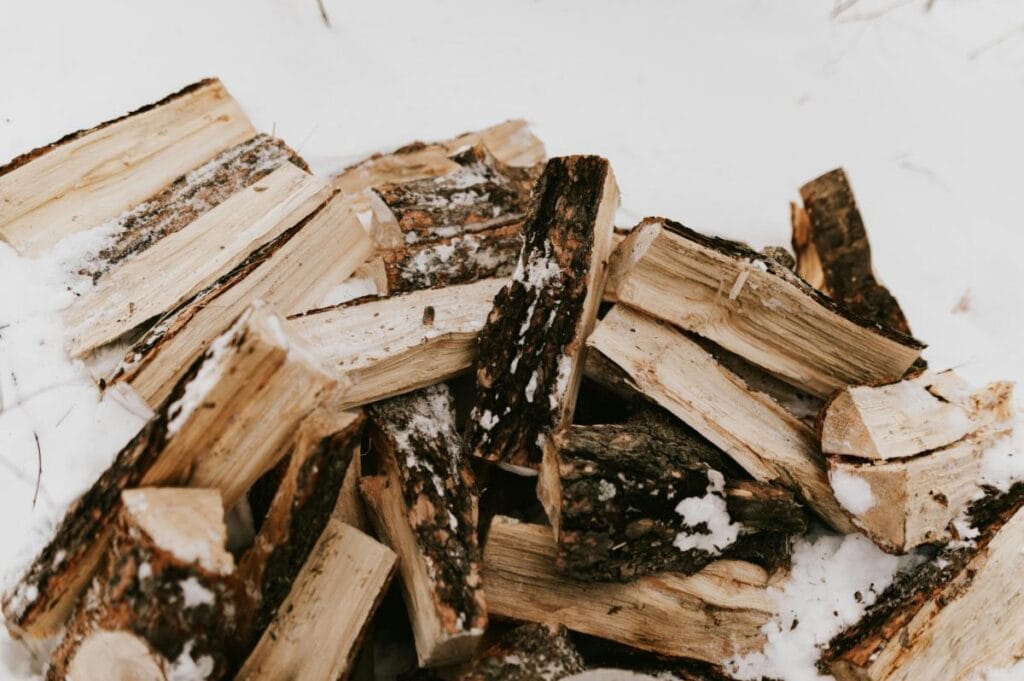
Start by cutting logs into pieces that fit your stove or fireplace, generally around 16 inches long. After cutting, split the wood into halves or quarters. Splitting exposes more surface area, allowing the wood to dry faster. Thicker sections dry much more slowly, especially toward the center, and are less likely to season evenly.
Choose an Ideal Location
Select a spot that gets sunlight and benefits from steady airflow. Look for an open, elevated area that stays dry. Sun and wind work together to speed up the seasoning process. Avoid low-lying areas, which tend to hold moisture, and shaded areas of your property, as stagnant air will keep the wood wet for longer.
Stack the Wood Properly
Proper stacking dramatically affects how quickly wood dries. Pile split wood in single rows with loose stacking so that air can circulate freely between the pieces. Always elevate the wood stack a few inches off the ground using pallets, rails, or a dedicated firewood rack. This prevents the wood from absorbing ground moisture and helps deter the growth of mold, fungi, and wood-damaging insects.
Cover the Top
When your stack is finished, use a tarp or water-resistant sheet to cover only the top of the pile. This shields the wood from rain and snow but leaves the sides and ends open for ventilation. Avoid enclosing the entire stack, as this can trap moisture, prolong drying time, and encourage mold growth.
Allow Sufficient Time
Patience is essential for properly seasoning your wood. The time needed depends on the wood species and the local weather. Hardwoods like oak and maple can require 12 to 18 months to reach optimal dryness, while softwoods such as pine and poplar often season within 6 to 12 months. Be sure to monitor your wood pile for signs of dryness and never rush to burn logs before they are fully ready.
Common Mistakes to Avoid
- Stacking Wood Against Exterior Walls: Keeping wood piles directly against your home or outbuildings can introduce moisture and create hiding spots for pests. Maintain space between your wood stack and buildings for airflow and safety.
- Covering the Entire Stack: Enclosing all sides of your wood limits airflow, slowing its drying and increasing the risk of mold growth. Only the top needs covering.
- Storing Wood Directly on the Ground: Ground contact introduces soil moisture, which can lead to rot, and attracts pests. Always use an elevated storage solution.
Testing Firewood Moisture Content
Testing moisture content before burning is crucial. A moisture meter is the most reliable tool for this task. Insert the meter’s prongs into a freshly split side of the log. Firewood is considered seasoned if its moisture content is below 20 percent.
Even without specialized equipment, there are signs that seasoned wood is ready for use. Well-seasoned logs will often show cracks at the ends, feel lighter, and make a clear, hollow sound when two pieces are knocked together. These are all common indicators that the wood is sufficiently dry.
Benefits of Using Seasoned Firewood
- Increased Heat Output: Seasoned wood burns more efficiently, generating more heat and helping you get the best performance from your fireplace or wood stove.
- Reduced Smoke and Creosote Formation: Drier wood produces less smoke and fewer creosote deposits, significantly reducing chimney fire risk.
- Cost Savings: Because seasoned wood burns cleaner and more slowly, you use less wood and enjoy more consistent, lasting warmth.

Warm, Safe Fires Start With Dry Wood
Properly seasoning firewood is essential for anyone who relies on wood heating. By understanding the correct methods for cutting, splitting, stacking, and storing wood, and by regularly testing its moisture content, you can ensure maximum heat output, minimize risks, and enjoy the most value from every load of firewood. Consistent use of seasoned wood not only enhances safety and efficiency but also helps protect your home and the environment.