
A premium steakhouse justifies its prices through details diners can recognize before the first bite. The beef needs clear sourcing information, careful aging, accurate cooking, and proper resting. Service should support the meal without unnecessary ceremony. The dining room, menu, beverage list, and pacing also matter. In Tampa, diners can use a practical checklist to separate genuine quality from expensive presentation, starting with the restaurant’s approach to beef.
Start With the Steak Program
A serious steakhouse explains its beef program in plain language. The menu should identify cuts, grades, aging methods, or sourcing details when those facts help diners choose. Vague descriptions provide little evidence of quality.
For diners comparing steak restaurants Tampa, the beef itself provides the best starting point. A premium menu clearly explains the cut, portion size, and preparation. It also distinguishes naturally tender cuts from those selected for deeper flavor. That information helps guests compare value before ordering, rather than judging quality by the dining room alone.
USDA grading provides useful context, though the grade doesn’t determine every part of a meal. Prime beef generally contains more marbling than lower grades, while dry aging changes flavor and texture through controlled moisture loss. A knowledgeable server explains these differences without inflated language.
Judge the Cooking Precision
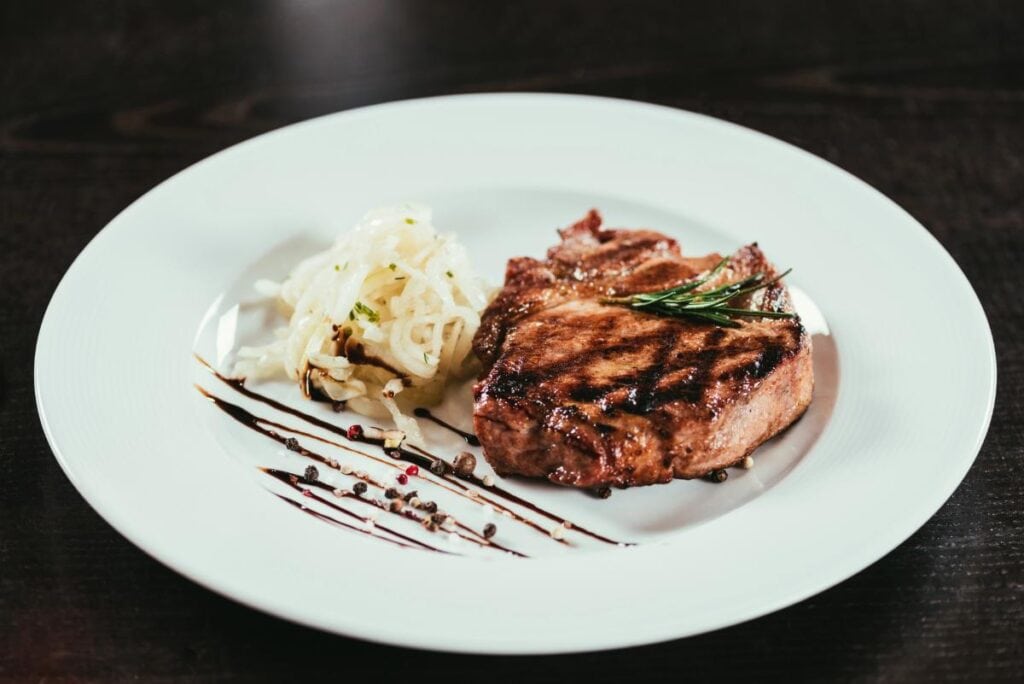
Temperature accuracy matters because steak changes quickly during cooking. A restaurant asks how diners want the center prepared and delivers consistent results throughout the cut. The exterior should show controlled browning without a burnt crust.
A properly cooked steak has a warm center that matches the requested temperature. The texture should remain tender, and the seasoning should support the beef rather than cover it. Excessive sauce often hides weak cooking or poor flavor.
Resting also affects the final plate. A brief rest allows internal juices to settle before slicing. Diners should find a moist interior rather than liquid spreading across the plate immediately after cutting.
Examine the Menu Balance
A premium restaurant builds its menu around steak without making every item compete for attention. Side dishes should serve distinct purposes, such as adding freshness, richness, acidity, or texture. Large portions do not automatically indicate better value.
Preparation matters as much as price. A side dish should arrive at the right temperature and retain its intended texture. Creamed vegetables should remain smooth, while roasted ingredients should carry developed flavor rather than simple heat.
The menu should also provide choices for different appetites. A smaller cut, a shareable portion, or a balanced entrée allows diners to spend according to their needs. Clear prices prevent surprises and make comparisons easier.
Assess Service and Timing
Professional service is visible in timing, accuracy, and attention. Staff should know the menu, answer preparation questions directly, and record cooking preferences correctly. They should also explain any charge that affects the final bill before the order is placed.
A well-run dining room coordinates drinks, appetizers, steaks, and sides without crowding the table. The steak should not arrive long before its sides, and a delayed dish should receive prompt attention. These details affect the meal as much as seasoning does.
Good service also respects the table’s pace. Guests should receive guidance when they request it without pressure to order premium add-ons. A polished experience feels organized because each step supports the next.
Review the Wine and Beverage Program
Wine selection provides another test of a steakhouse’s depth. The list should include bottles and glasses that suit different cuts, sauces, and budgets. Staff should describe a pairing by flavor and weight rather than prestige alone.
Temperature and glassware matter as well. Red wine served too warm tastes flat, while an oversized glass can limit a lighter wine’s aroma. A thoughtful beverage program treats these details as part of the meal.
Nonalcoholic choices deserve similar care. Sparkling water, thoughtfully prepared beverages, and quality coffee give every diner a complete ending without placing alcohol at the center of the experience.
Consider the Full Value
The price should reflect more than the steak’s cost. Diners should consider portion size, cooking accuracy, side prices, service quality, room comfort, and time spent at the table. A costly entrée delivers poor value when the supporting details fail.
A lower-priced meal can also disappoint if the cut arrives incorrectly or service breaks down. Value comes from consistency across the experience. A restaurant charging premium prices should meet the same standard during a busy evening as it does during a quiet service.
Before booking, diners should review the current menu, reservation details, parking information, and dining policies. A quick check prevents mismatched expectations and helps guests choose a suitable occasion.
Conclusion
A premium steakhouse makes its quality visible through precise details. Before booking, diners should review the beef description, cooking control, side dishes, service timing, beverage choices, and final cost. These checks reveal whether a restaurant delivers substance or simply charges more for appearances. For a Tampa dinner, review the current menu and reservation details. A clear budget and preferred steak temperature will make the final choice easier.