
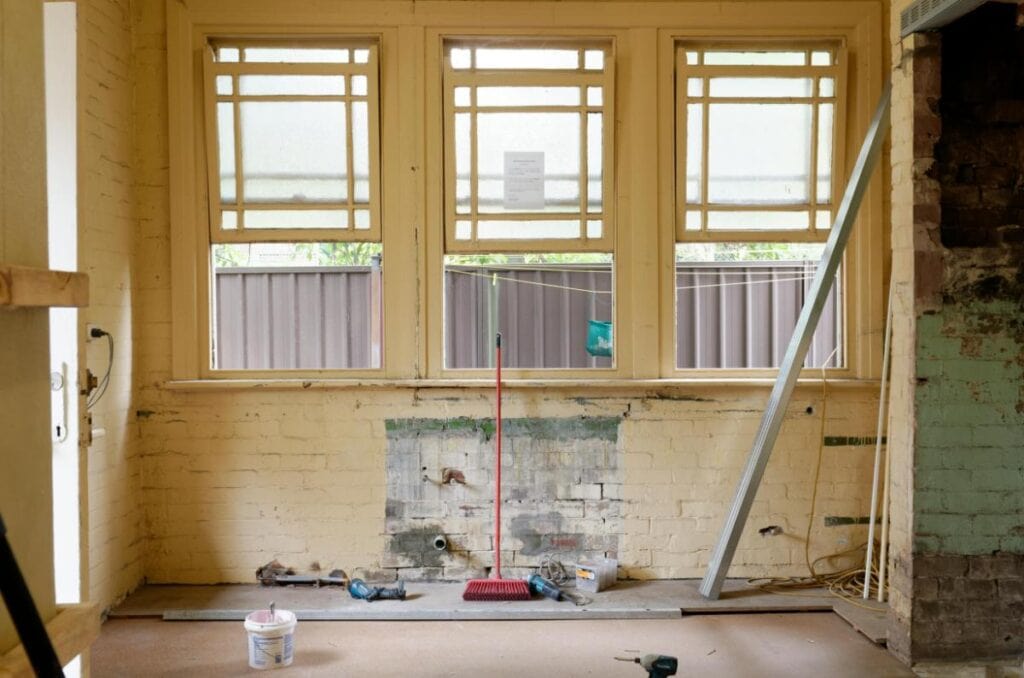
Have you ever walked into an old house and thought, “This place is incredible… but also slightly falling apart?” Maybe it’s the original hardwood floors that creak in a strangely comforting way. Or the trim around the windows that’s been there since dial-up internet was cutting edge. Older homes have character. They come with stories, quirks, and materials that newer builds just can’t fake.
But charm and functionality don’t always walk hand in hand. Drafty windows, outdated bathrooms, low ceilings, and walls painted in shades that were trendy in 1973 can make living in these spaces a challenge. And yet, tearing it all out and starting fresh? That feels a bit like replacing grandma’s old wedding ring with a smart watch.
In this blog, we will share smart, realistic ways to upgrade older homes while preserving the unique charm that made you fall in love with them in the first place.
Modern Upgrades That Don’t Fight the Architecture
A common mistake when updating older homes is installing modern pieces that feel like they belong in a tech startup’s office. Think glossy black cabinets, overly minimalist bathrooms, or LED strips in every corner. The goal is not to turn a 1920s craftsman into a spaceship.
You can still bring in modern comforts without disrupting the flow. Take windows, for example. Drafty, single-pane windows are one of the biggest energy drains in older houses. But instead of replacing them with a totally mismatched modern design, work with a company like Windows Direct USA. They offer updated, energy-efficient options that still complement the original architectural details. You don’t have to pick between comfort and consistency.
When updating bathrooms, don’t reach for sterile hotel-chic finishes. Think classic subway tiles, vintage-style vanities, or even clawfoot tubs that feel like they belong in the home’s original blueprint. You can modernize plumbing, lighting, and functionality without stripping away the vibe.
In kitchens, blend old and new by mixing vintage elements with modern appliances. Keep the wood cabinets but refinish them. Add updated hardware. Choose a farmhouse sink that feels timeless. Let the space feel lived-in, not staged for a magazine.
Energy Efficiency Without Gutting the House
Here’s the thing: most old homes were not built with insulation in mind. They were built in an era when a wood-burning stove and a thick sweater did the job. That doesn’t fly today. You want the charm without the constant draft.
There’s no shame in wanting a home that doesn’t cost a fortune to heat. Start with the easy fixes. Add insulation to the attic and basement where it won’t interfere with the design. Seal gaps around doors. Install weather stripping. These updates are invisible but make a big difference.
You can also upgrade your HVAC system to a more efficient model, install a programmable thermostat, and swap out old bulbs for LEDs. These changes reduce your energy use without impacting the visible charm of your interiors.
Be selective with what you change. Not every wall needs to be opened. Not every ceiling needs to be raised. Sometimes, the best upgrades are the ones you don’t notice.
Don’t Let Trends Hijack the Vision
Social media is full of “before and after” reels showing complete home makeovers. They’re satisfying, sure. But they also risk setting unrealistic expectations. Not every home needs to be transformed into a neutral-toned, open-concept echo chamber.
Trends come and go. Shiplap was everywhere for a while. So was gray everything. Now it’s warm tones and arched doorways. Chasing trends can lead to choices you regret in a year or two.
Instead, lean into what the home is already offering. A colonial doesn’t need an ultra-modern black kitchen. A mid-century house doesn’t need rustic farmhouse decor. Let the architecture speak and follow its lead. You can add your style without forcing it to be something it’s not.
Color, Light, and Materials Matter More Than You Think
One of the fastest ways to modernize without tearing down is paint. A new color palette can completely shift the mood of a room. Opt for tones that reflect natural light and match the home’s aesthetic. Creamy whites, soft greens, or dusty blues can freshen up walls while honoring history.
Lighting makes a massive impact, too. Older homes often have dated fixtures or dim lighting. Swap out the overheads for more stylish, efficient pieces that still suit the space. Wall sconces, statement chandeliers, or updated pendants can elevate everything without reconstruction.
Then there’s the matter of materials. Avoid plastic-heavy finishes or faux wood. If you’re replacing flooring, consider wide plank hardwood or natural stone. These look and feel right at home in a house that’s seen generations.
Texture matters. Details matter. Avoid shortcuts. You’ll feel the difference every time you walk through the door.
Let History Be the Highlight, Not the Obstacle
A funny thing happens when people tour old homes: they rave about the charm and then complain about the lack of closets. But guess what? People in the 1930s didn’t have 40 pairs of sneakers. That’s not a design flaw. That’s just history.
Instead of lamenting what’s missing, adapt with intention. Use storage furniture that blends with the style. Add built-ins if you have the room. Think vertically when space is limited. Every generation has to make trade-offs. Yours can be smart about it.
Your Home Doesn’t Need to Be Perfect to Be Worth It
Perfection is overrated. Authenticity is not. When you upgrade an older home, you’re taking on something more than just a renovation. You’re becoming a steward of its legacy.
It’s not about fixing every crack or polishing every surface. It’s about making the space work for today while letting it tell its story. If done right, your updates will feel less like an interruption and more like a continuation.
And when friends walk in and say, “Wow, this place is amazing,” you’ll smile knowing it didn’t come from ripping out its soul. It came from honoring it, upgrading with care, and keeping the charm right where it belongs: in plain sight.