
Travel gives children the chance to see that people live in many different ways, even when they share similar interests and daily routines. While books and lessons can introduce other countries, being there in person often leaves a much stronger impression. A simple trip abroad can spark questions about local customs, food, language and community life that might never come up at home.
Experiencing different ways of life
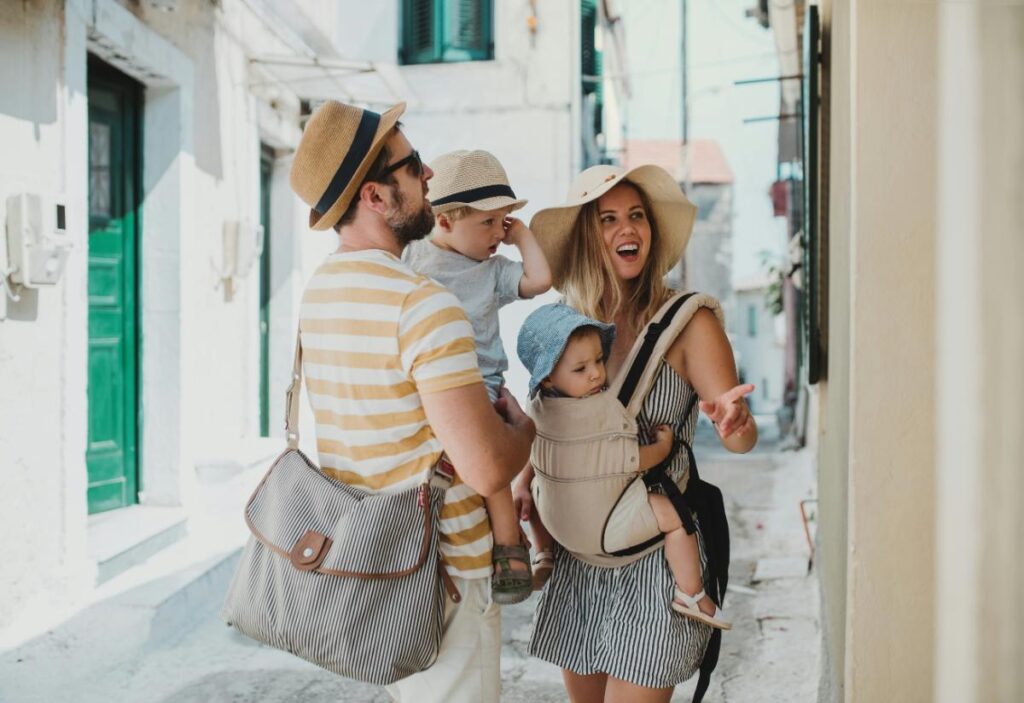
One of the most valuable parts of travelling with children is seeing everyday life from a different perspective. Your child might notice that families eat dinner later in the evening or travel around by bicycle more often, for example.
A child who sees local children walking to school through a village in Greece or helping in a family-run café in Italy gains a more realistic view of how people live in different places.
Encourage your child to ask questions about what they see. Those conversations can help them connect new experiences to their own lives and develop a natural curiosity about other cultures.
Discovering new foods and traditions
Food often provides one of the easiest ways for children to engage with another culture. Visiting local markets or family restaurants exposes them to flavours and traditions they may never have encountered before.
Cultural celebrations offer similar opportunities. Watching a local festival or seasonal celebration helps children see how traditions connect communities and create a sense of identity.
Building confidence through new experiences
In a different country, children might need to order food, navigate public transport with their family or communicate despite a language barrier.
Each experience gives them a chance to solve small problems and adapt to new surroundings. A child who successfully orders an ice cream using a few words of another language often gains confidence from the interaction.
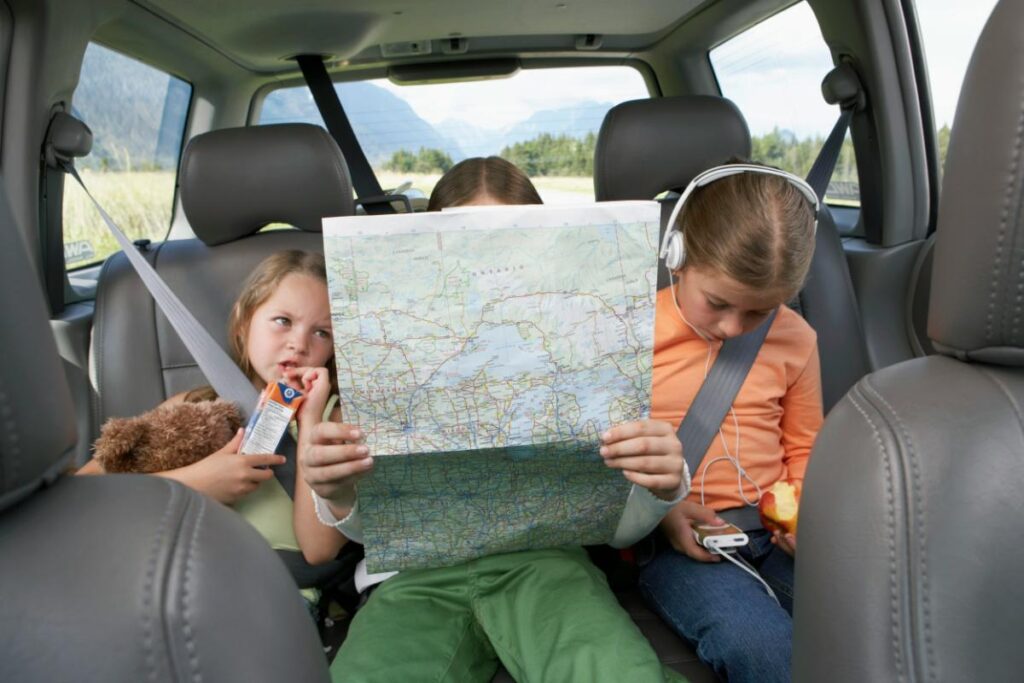
If you’re a parent, you can support this growth by involving children in age-appropriate parts of the trip, such as reading maps or helping to plan a day’s itinerary.
Learning beyond the classroom
Travel helps brings school subjects to life. For example, Spain holidays provide opportunities to visit historical sites, museums and cultural landmarks, allowing children to connect facts with real places and people.
A child studying Roman history at school might gain a deeper understanding after visiting ancient ruins, while geography becomes more meaningful when they experience different climates and ways of living firsthand.
Resources such as National Geographic Kids can also help children continue exploring different countries and cultures once they return home, turning holiday experiences into ongoing learning opportunities.
Developing empathy and understanding
Meeting people from different backgrounds helps children recognise both differences and similarities between communities. They begin to understand that people may speak another language or follow different customs while still sharing common experiences such as family life and personal goals.
You might choose to build on that curiosity through resources such as the British Council’s learning materials, which encourage children to keep exploring the wider world and learning about different communities