
Opening a restaurant almost always comes with the temptation to order everything a supplier’s catalog has to offer. The wider the kitchen setup, the more confident the launch feels. In practice, this approach tends to backfire: some equipment sits idle for months, money goes toward items with no real impact on food quality, and the genuinely critical pieces sometimes end up funded last. A sound purchasing order saves money, speeds up the launch, and lowers the risk of technical breakdowns in the first weeks, when the kitchen hasn’t been tested yet and every glitch feels especially disruptive.
Experienced restaurant operators know an equipment list is rarely finalized once and for all. It shifts as the real workload becomes clear, as the menu gets refined, and as data builds up on which dishes actually sell. That’s why it makes sense from day one to split purchases into what makes the launch possible and what can be added later without hurting operations.
Why Sequencing Matters as Much as the Total Spend
The menu shapes the kitchen, not the other way around. Before drawing up a shopping list, it’s worth answering honestly which dishes form the core of the concept and how many guests the kitchen needs to handle during peak hours. These two factors define the minimum technical setup without which a restaurant simply cannot operate.
Many new projects make the mistake of trying to cover every possibility at once, including equipment bought for future growth. Extra functionality sounds appealing at the planning stage, but in the first months a reliable core setup matters more than a long list of extras. Every piece of equipment that doesn’t support the core menu ties up capital that could otherwise go toward marketing, staff training, or building up ingredient inventory.
What Can’t Wait: The Foundation of the Kitchen
Some categories are simply non-negotiable for opening a restaurant. This is the part of the investment where cutting corners turns into operational losses within the first month.
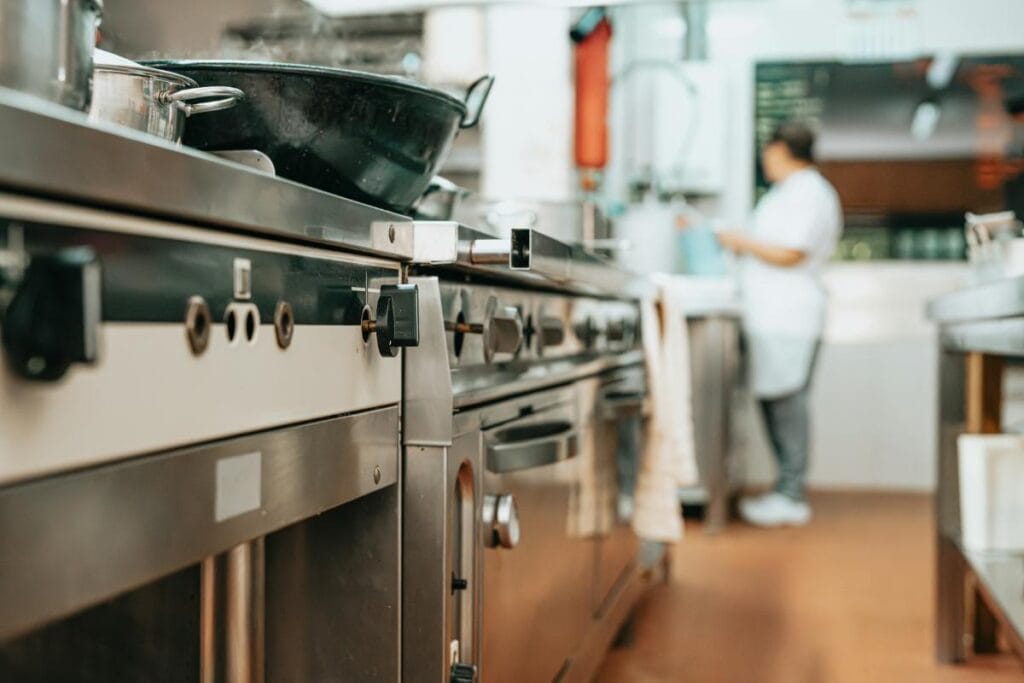
Cooking equipment, including ranges, ovens, fryers, and the ventilation hood, forms the production core of the kitchen. Its power and reliability directly determine how fast dishes come out and how well the kitchen handles rush hours. Choosing a brand on price alone carries real risk here: repairing a main range mid-season costs far more than the price gap between a budget unit and a proven one.
Commercial refrigerators hold a separate place on the priority list because they’re directly tied to food safety. A broken cold chain leads to spoiled product and sanitary violations that can shut a restaurant down for inspection. Refrigeration capacity should match the actual volume of ingredients purchased, with enough headroom to absorb an unexpected jump in demand.
The same first-priority category includes basic dishwashing and sanitation equipment: a three-compartment sink, a handwashing station, and a waste-sorting system. Without these, a kitchen won’t pass an inspection no matter how strong the culinary side is.
What Boosts Efficiency Without Blocking the Launch
Once the production core is covered, attention turns to equipment that improves speed and quality of work but isn’t a precondition for physically opening the kitchen.
Food preparation equipment, including planetary mixers, food processors, scales, and stainless-steel prep tables, noticeably speeds up prep work and eases the load on staff. Still, many of these tasks can be handled by hand early on, with equipment added gradually as guest volume grows. Buying a professional mixer in the first week is rarely justified if order volume hasn’t yet stabilized and staff can still keep up without automating every step.
The same group includes items often described as service boosters:
- hot-holding displays and stations for keeping finished dishes at temperature;
- packaging stations for restaurants handling delivery orders;
- additional shelving and carts for moving products around the kitchen.
Each of these categories matters for long-term efficiency, but each can wait a few months while the restaurant gathers real data on workload and identifies where the actual bottlenecks are.
Choosing a Partner, Not Just a Vendor
The purchasing sequence is closely tied to the choice of supplier. When equipment comes from several different vendors, accountability gets scattered: if a refrigerator breaks down, it isn’t always clear who to call under warranty, and delivery timelines are hard to predict.
A reliable restaurant equipment supplier solves this by acting as a single point of contact. That setup simplifies servicing, speeds up replacement of failed components, and reduces the risk of kitchen downtime caused by organizational delays rather than technical ones. McDonald Paper & Restaurant Supplies has worked this way for more than two decades, supplying restaurants, cafes, and other foodservice businesses with equipment and supplies from one source, which matters most at the opening stage, when timelines are measured in days.
A few practical signs are worth checking when evaluating a supplier:
- after-sale service support and warranty coverage;
- realistic delivery timelines for critical items, not just stated ones;
- willingness to tailor recommendations to a specific concept rather than push a generic package regardless of the menu;
- ability to flag long lead times on certain items in advance and offer a workable alternative.
These signs rarely show up on a price list, so it’s worth asking about them directly during negotiations rather than discovering the answers after the contract is signed.
How to Allocate the Budget by Sequence
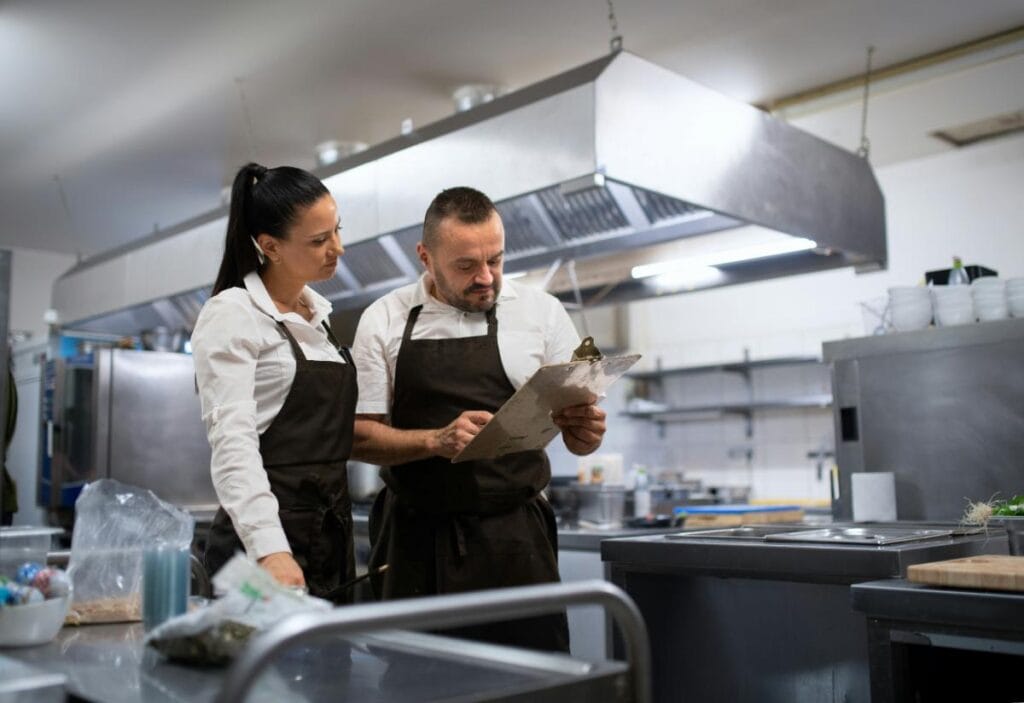
A restaurant’s financial model rarely allows for buying all the necessary equipment at once without straining working capital. A simple filter helps in practice: which equipment directly determines the ability to cook the menu and keep food safe, and which can be temporarily covered by manual labor, rental, or a more modest substitute.
A practical reference point for most new projects looks like this:
- The core cooking line and the ventilation system.
- Refrigeration sized to the actual volume of product handled.
- Basic sanitation stations required to pass inspection.
- Prep equipment that speeds up workflow as order volume grows.
- Additional items for service and internal logistics.
This order doesn’t mean the last items on the list don’t matter. It reflects a sequence in which each new investment builds on a base that’s already running and proven, rather than on assumptions about future demand.
Conclusion
A well-thought-out purchasing sequence turns opening a restaurant from a chaotic scramble into a manageable set of decisions. The production core and refrigeration cover the risks tied to safety and stability, prep equipment adds efficiency as the business grows, and a reliable supplier lowers operational risk at every stage. This approach lets a limited budget go exactly where it counts: toward food quality and stability from day one.