
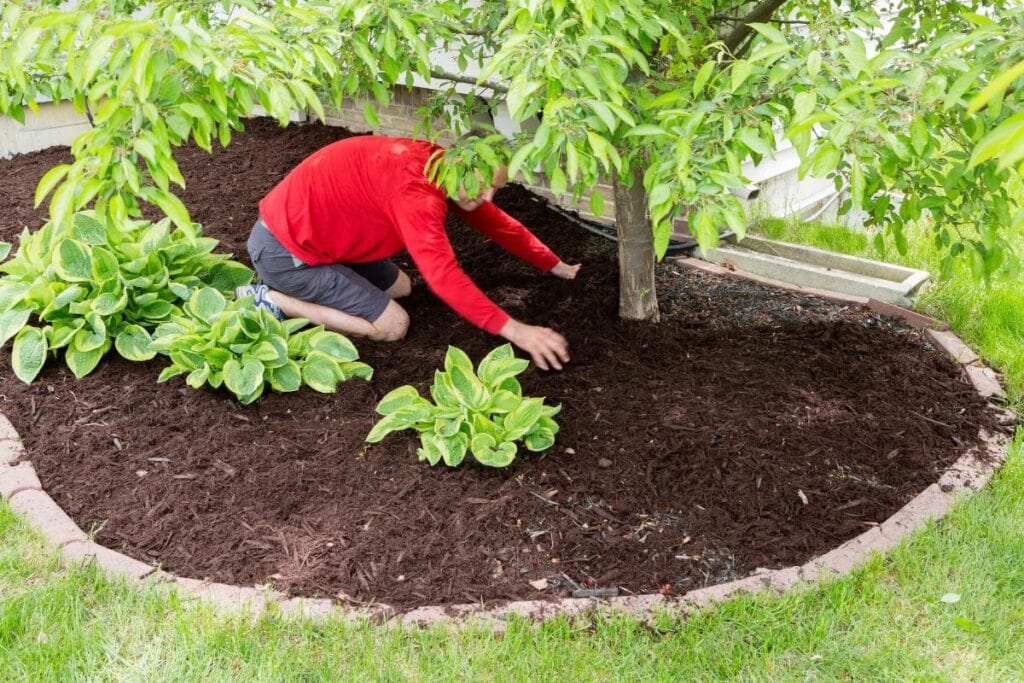
Mulch is more than just a covering for your garden beds—it’s a powerful ally in crafting a vibrant, healthy landscape. When you apply mulch to your soil, you’re building a foundation for stronger plants, reduced maintenance, and long-term soil health. Even a modest layer of the right mulch can make a dramatic difference, from conserving water to improving your garden’s overall look.
By learning how to use mulch correctly, you can help your garden flourish season after season, regardless of weather conditions or soil challenges. Whether you’re growing flowers, shrubs, or vegetables, introducing mulch is one of the simplest and most effective steps you can take toward a more productive, beautiful garden.
Moisture Retention
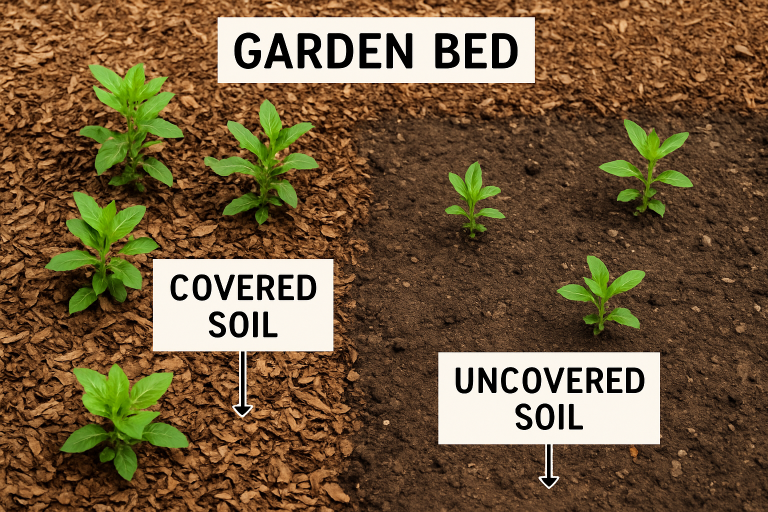
One of the greatest advantages of mulch is its ability to keep the soil moist for longer periods. By creating a protective barrier, mulch slows the evaporation of water from the soil surface, locking in precious moisture. This means your plants need less frequent watering, which can be especially important during hot summer months or in areas subject to drought. Gardeners who use mulch consistently find their flowers and vegetables are more resilient and less likely to suffer from periods of dryness.
Weed Suppression
Weeds can quickly turn a beautiful garden into a battleground. Luckily, mulch acts as a natural defense by blocking sunlight from reaching the soil, where weed seeds are lying in wait. Without sunlight, these seeds struggle to germinate and grow, significantly reducing the need for weeding. This not only saves you time but also ensures that your plants don’t have to compete with invasive weeds for water and nutrients.
Soil Temperature Regulation
Mulch acts as an insulator throughout the seasons. In summer, it shields the soil from intense sunlight, keeping temperatures lower beneath the surface. This helps prevent overheating, which can cause stress and damage to plant roots. In winter, mulch acts like a cozy blanket, trapping heat in the soil and protecting root systems from freezing temperatures. This ability to moderate soil temperature extends the growing season and protects your garden through temperature extremes.
Soil Fertility Enhancement
Organic mulches, such as wood chips, bark, straw, and compost, contribute to your garden’s health as they gradually decompose. This slow breakdown feeds the soil with nutrients, enhancing its structure and supporting the growth of beneficial microbial life. Healthier soil means more robust plants with stronger immune systems and better resilience to disease. Selecting an organic mulch adds lasting value to your garden, as each season brings renewed nourishment to your beds.
Erosion Prevention
Wind and rain are among the primary causes of soil erosion, which strips away vital topsoil and essential nutrients. A good layer of mulch helps prevent this problem by anchoring soil in place and reducing runoff. This is especially important on slopes, in raised beds, or in areas exposed to heavy rainfall. By minimizing erosion, mulch maintains soil integrity and ensures that your plants continue to draw on a deep, consistent supply of nutrients.
Aesthetic Appeal
Beyond its functional benefits, mulch adds a visually appealing finishing touch to any landscape. It creates tidy, uniform garden beds and pathways that highlight the colors and forms of your plants. With options such as wood chips, shredded bark, pine needles, and even colored mulches, you can select a variety that suits your personal style and complements your home’s exterior. The right mulch not only improves plant health but also boosts your property’s curb appeal.
Proper Mulching Techniques
To effectively use mulch in garden management, apply a layer 2–3 inches deep for flower beds and vegetables, and 2–4 inches for trees and shrubs. Insufficient mulch will not provide maximum benefits, while excess mulch may suffocate roots. It is crucial to maintain a 1-inch gap around plant stems and tree trunks to prevent moisture accumulation, which could cause rot or attract pests. Choose organic materials, such as shredded leaves, grass clippings, compost, or wood chips, for nutrient enhancement. For decorative or durable pathways, consider gravel or stones. The selected mulch type has a significant impact on both the health and appearance of the garden.
Common Mulching Mistakes
Over-mulching can suffocate plant roots and block airflow, leading to root rot; it’s advisable to adhere to a recommended thickness of mulch, ideally no more than three inches. Avoid “mulch volcanoes” by not piling mulch against tree trunks, as this traps moisture and invites decay and pests; instead, spread it in a donut shape around the trunk. Using materials like fresh grass clippings that mat down should be avoided, as they can hinder water access to roots and encourage disease. Successful mulching involves selecting the proper material and applying it with effective techniques, creating a healthy garden environment that minimizes maintenance while enhancing plant vitality throughout all seasons.
Mulching is a simple yet highly effective practice that supports plant health, improves soil quality, and reduces ongoing garden maintenance. From conserving moisture and suppressing weeds to regulating soil temperature and preventing erosion, the benefits of proper mulching extend throughout every season. When applied correctly and with the right materials, mulch not only nurtures a thriving garden ecosystem but also enhances the overall appearance of your landscape. By avoiding common mistakes and maintaining consistent mulching habits, gardeners can enjoy healthier plants, stronger soil, and a more resilient, visually appealing outdoor space throughout the year.