
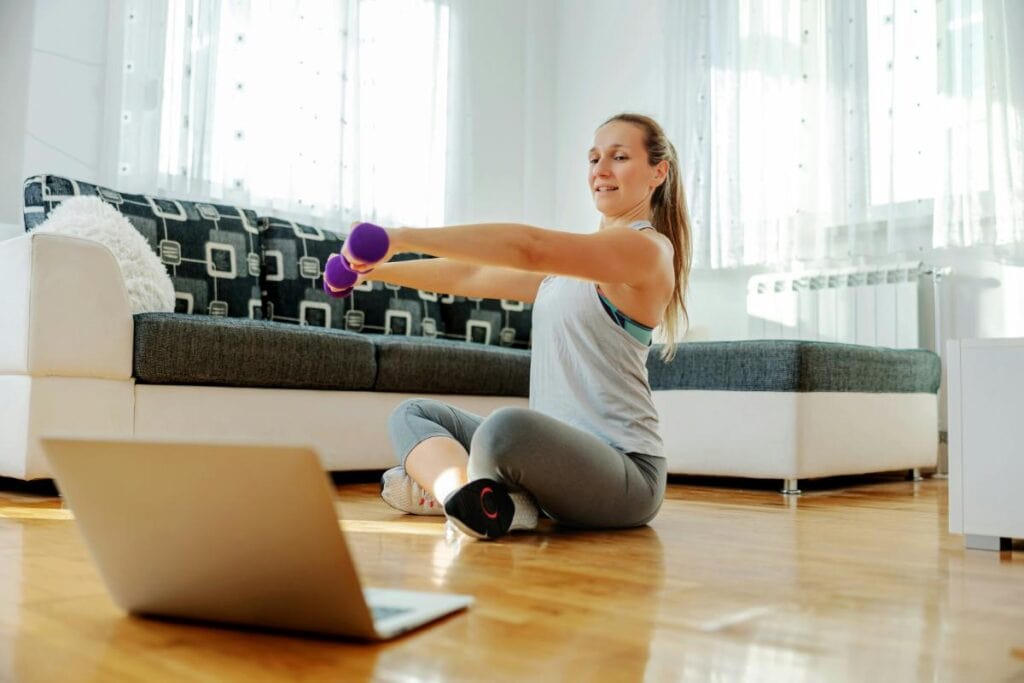
Creating a fitness space at home is one of the most effective ways to stay consistent with exercise. A dedicated area for workouts can make it easier to build healthy habits, save time on commuting to the gym and allow you to exercise whenever it suits your schedule. Whether you have a spare room or just a small corner available, setting up a practical and motivating home fitness space is achievable with the right planning.
Choose the Right Location
The first step in setting up a home fitness space is choosing the best location. Ideally, this should be an area that offers enough room to move comfortably and safely. A spare bedroom, garage or basement often works well, but even a living room corner can be transformed into a workout zone.
When selecting your space, think about factors such as lighting, ventilation and flooring. Natural light can make workouts more enjoyable and energizing, while good airflow helps keep the environment comfortable during intense sessions. If possible, choose a spot that allows you to focus without too many distractions from daily household activities.
Invest in Versatile Equipment
A common mistake people make when building a home workout area is purchasing too much equipment at once. Instead, start with versatile items that support a wide range of exercises. Dumbbells, resistance bands and a workout mat are excellent basics that can be used for strength training, stretching and bodyweight exercises.
As your routine develops, you may decide to add more specialised equipment that supports your fitness goals. For example, cardio machines such as treadmills, rowing machines or bikes can be valuable additions if you want to improve endurance. A compact option like the Mirafit exercise bike can fit neatly into many home setups while providing an effective cardio workout.
Focus on Comfort and Safety
Your fitness space should be designed with safety and comfort in mind. Start by ensuring the flooring provides adequate support and grip. Rubber gym mats or interlocking foam tiles are popular choices because they protect both your floor and your equipment while reducing noise and impact.
It’s also important to keep the area clutter-free. Equipment should be stored neatly to avoid tripping hazards and to maintain a clean environment that feels inviting. Wall racks, storage bins or shelving units can help keep your space organised while making equipment easy to access.
Temperature control is another factor to consider. If your workout space becomes too warm or too cold, it can make exercise less enjoyable. A simple fan or portable heater can make a significant difference in maintaining a comfortable environment year-round.
Create a Motivating Atmosphere
A home fitness space should inspire you to work out regularly. Personalising the environment can help boost motivation and make exercise feel less like a chore. Adding mirrors, motivational quotes or a whiteboard to track progress can give the space a sense of purpose.
Music can also play a major role in creating an energising atmosphere. A small speaker or sound system can help you stay focused and energised during workouts. Some people also find that following along with workout videos or virtual classes helps maintain consistency and structure in their routines.
Lighting is another detail that should not be overlooked. Bright, well-lit spaces tend to feel more energising and welcoming, making it easier to stay motivated and maintain regular exercise habits.

Plan for Long-Term Consistency
When setting up a home fitness space, it’s important to think about long-term usability rather than short-term excitement. Choose equipment and layouts that will remain practical as your fitness routine evolves.
Leave room for flexibility so you can adjust the space as your goals change. For example, you may eventually want to add new equipment, expand your workout area or incorporate different types of training such as strength circuits.
The key to success is creating a space that encourages regular use. By choosing the right location, investing in versatile equipment, maintaining safety and comfort and designing an inspiring environment, you can build a home fitness space that supports your health and fitness journey for years to come.