
A first family ski trip can sound like equal parts adventure and logistical puzzle – which, well, it kind of is. The good news is that your family doesn’t need to be perfectly sporty or endlessly patient. You simply need to be ready in four practical ways. Regard them as a friendly reality check before booking, and you’ll be out in the snow in no time!
Stage one: Check the family mood
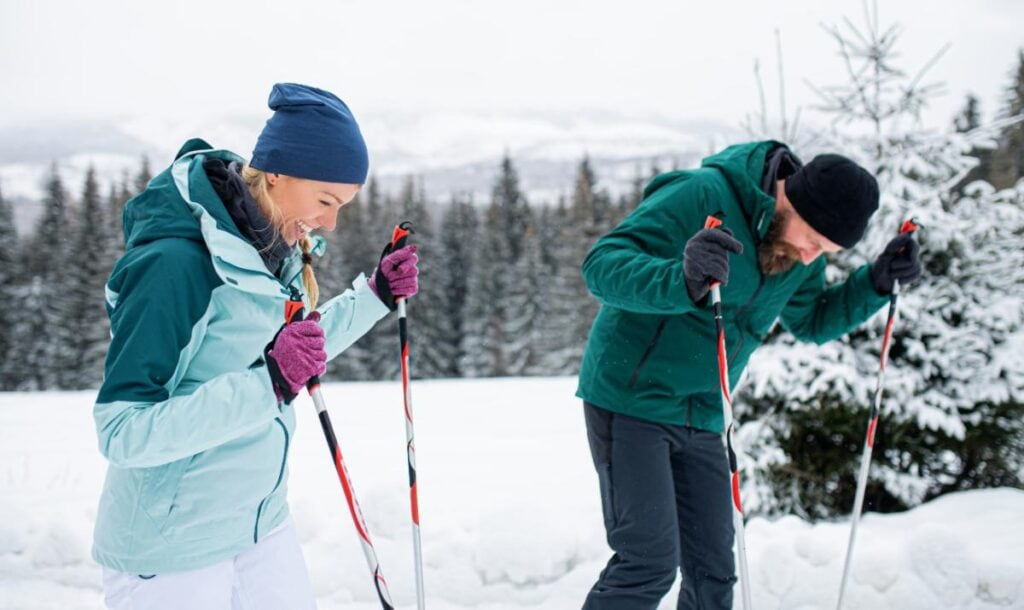
Start with interest, confidence, and realistic expectations. After all, why book a winter adventure if no one really wants to? Ask each child what sounds exciting and what worries them. A preschooler may be thrilled by snow but unsure about separating for ski school; a teenager may care more about independence and trying something new.
Age alone is not the deciding factor, though. Look at whether your child can listen to an instructor, cope with unfamiliar clothing, recover after a tumble, and spend time outdoors in the cold. Nobody needs to promise a full day on the slopes. A short lesson followed by hot chocolate and snowman-building still counts as a brilliant first day in my books!
Before you travel, maybe watch a gentle beginner video, try on your winter gear, and explain how lessons will work. These simple steps make the mountain feel less mysterious. For more age-friendly motivation, try these ideas for getting kids excited about skiing.
Stage two: Test the practical fit
Next, check whether the trip works with your family’s real routines. A suitable resort should have a well-organised children’s ski school, learning terrain, easy lift access, and something enjoyable to do when little legs are finished. A 2026 guide to European family resorts highlights progression-friendly slopes, straightforward ski-school drop-offs, short walking distances, and off-slope activities as the features that make family trips easier.
Do not be distracted by the biggest trail map! For beginners, a compact village and accommodation near the lesson meeting point may be far more useful. Check lesson ages and times before booking your ski holiday, especially if you need childcare or classes in English. Look at transfers, room layout, meal options, equipment rental, and cancellation terms alongside the headline price.
Stage three: Get everyone mountain-ready
You do not need to buy a miniature ski shop. Children grow quickly, so renting skis, boots, poles, and helmets is usually the sensible option for a first trip. Spend your money and packing space on comfort instead: moisture-wicking base layers, a warm middle layer, waterproof outerwear, ski socks, goggles, sunscreen (yes, sunscreen!), and waterproof gloves or mittens. Pack a spare pair of gloves too, just in case.
Arrange ski school early, use layers, label equipment, carry snacks, and plan around children’s energy rather than an adult ski schedule. Practice getting dressed at home so buckles, helmets, and neck warmers are not completely new on day one – and it has the fun side effect of a little bit of anticipation!
Adults who are beginners should consider booking lessons as well. Learning separately gives everyone room to build confidence, and you can meet later for a family run without anybody trying to become the unofficial instructor.
Stage four: Build in wiggle room
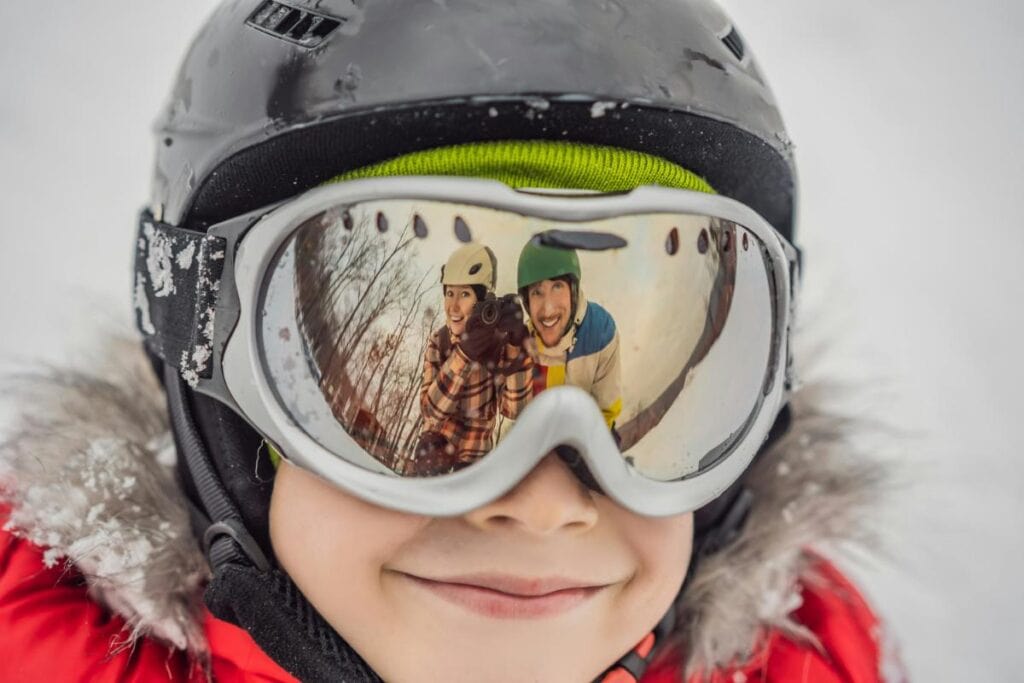
The final readiness test is whether your plan can bend. Skiing is tiring, and even the most enthusiastic children can decide at lunchtime that their skiing career is finished for the day. Leave space for a slow start, a long lunch, a pool visit, sledging, or an afternoon indoors. Avoid treating every hour of a lift pass as something that must be “used.” A happy two-hour session is better than pushing on until everyone is cold and cross.
Set a meeting point, keep emergency contacts handy, confirm that your travel insurance covers winter sports, and carry water, snacks, lip balm, and any medication your child needs. It also helps to agree on one simple family rule: anyone can ask for a break without feeling that they have spoiled the day. If the wider planning still feels messy, our family vacation checklist can help you organise your budget, documents, meals, and backup plans.
The goal of a first ski trip is not to create expert skiers in one week. It should be all about letting everyone come home warm, proud, and interested in doing it again. If that means fewer runs, more cocoa, and an afternoon making snow angels, that sounds great!