
Feeling steady on your feet helps you move through life with confidence and ease. It makes daily tasks feel simple and safe for everyone at home.
You can build strength with small daily changes. Easy routines create better body control. Consistent effort helps you stay active and strong every single day.
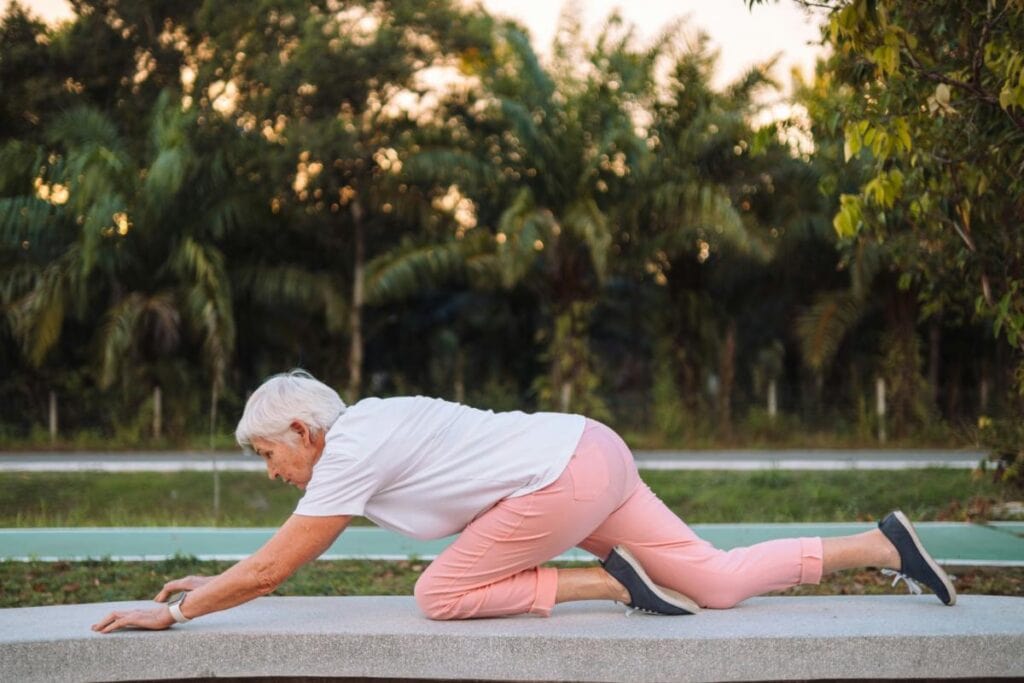
Focusing On Hand Movements
Keeping your hands strong and steady helps with many small tasks. Accessing a local occupational therapy service can provide personalized ways to boost your dexterity. Professional guidance helps you identify the best movements for your specific needs.
Practice picking up small objects like coins or beads. Repetition builds the muscle memory needed for tricky fasteners or buttons. You can set a timer for 5 minutes each day to work on the tiny movements. Steady effort is the secret to seeing real progress with your fine motor skills.
Try using different textures during your daily routine. Squeezing soft balls or playing with putty builds hand strength without much effort. Having tools nearby makes it easy to practice during breaks.
Better Body Control
Learning to move your whole body effectively is a key part of staying active. A professional study found that specific training helps people move better and stay upright more often. Sessions focus on big movements that make walking and standing feel more natural.
Walking on different surfaces can help your legs adjust to new challenges. Grass or sand makes your muscles work harder than a flat floor. You will find that your balance gets better when you vary where you walk.
Stay consistent with your practice to see the best results. Moving every day keeps your joints loose and your balance sharp. It is helpful to track your progress in a small notebook to stay motivated.
Managing Household Tasks
Daily chores are a great way to practice your skills as you get things done. One health report mentioned that managing kitchen tools and shirts with buttons relies on good hand control. You can work on your movements every morning and night at home.
Organize your space so the items you use most are easy to reach. This reduces the strain on your body when you are busy. Keeping things at waist height prevents unnecessary reaching or bending.
Using adaptive tools can make a big difference if a task feels too hard. Large handles on spoons or zip pulls can simplify your day. Small tools help you stay independent and finish your chores faster.
Simple Coordination Drills
Playing games or doing light exercise can train your brain and body to work together. A health resource suggested that swimming or dancing is a fun way to build better balance. These activities keep your mind engaged as your body learns to move in sync.
- Stand on one foot as you hold onto a sturdy chair.
- Walk in a straight line by placing one heel directly in front of your toes.
- Toss a soft ball against a wall and catch it with both hands.
Try to find an activity that you truly enjoy doing. When you have fun, you are more likely to stick with the plan. Invite a friend to join you for extra motivation and social time.
Walking With Balance
Moving around your home safely is a top priority for staying independent. A physical therapy guide explained that heel-to-toe walks are a simple way to get better at staying steady. Doing this for a few minutes each day builds the control you need for stairs.
Keep your eyes forward instead of looking down at your feet. It helps your brain process where you are in the room more effectively. You may notice that your posture improves as you look ahead.
Use a hallway or a wall for support when you first start drills. Having a hand nearby for safety prevents falls as you learn. Gradually rely on the wall less as your confidence grows.
Support For Your Growth
The need for professional help is growing as more people seek to live better lives. Government data suggests that the field of therapy will grow by 14 percent over the next 10 years. It means more help will be available for those who need it.
Data from Australia showed that the number of registered therapists is going up every year. The rise shows that communities are putting more value on functional health and recovery. More experts in the field lead to better outcomes for everyone.
Learning self-care skills is a huge part of staying safe and healthy. An educational group stated that practical skills are directly linked to how well you manage your own safety. Building habits early creates a foundation for a long and happy life.
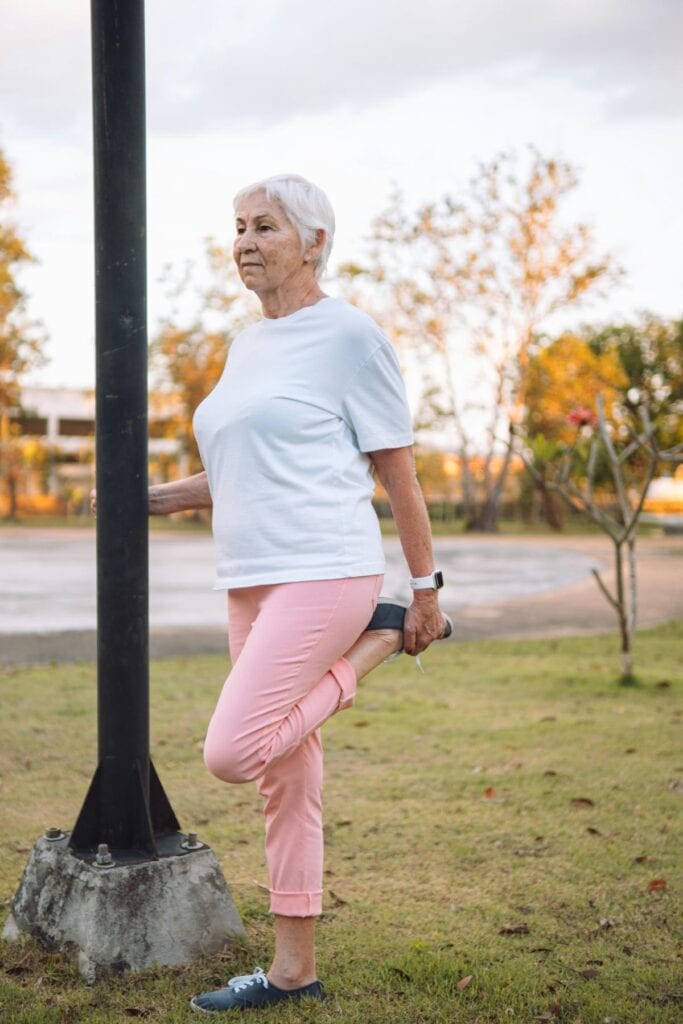
Small steps lead to big changes for your physical health. Staying active keeps you moving forward toward your personal goals every day.
You can take control of your routine with patience. Success starts with one single movement. Your journey to better skills begins with a choice to try something new right now, today.