
Teenage years come with busy routines, more screen use, and rapid changes in the body, all of which can quietly affect vision. This is the stage where good habits either form or fall apart, and parents play a major role in guiding teens toward choices that protect their sight long-term. With the right routines, eyewear, and awareness, it becomes much easier to keep their eyes healthy as they grow.

Developing Healthy Eye Habits
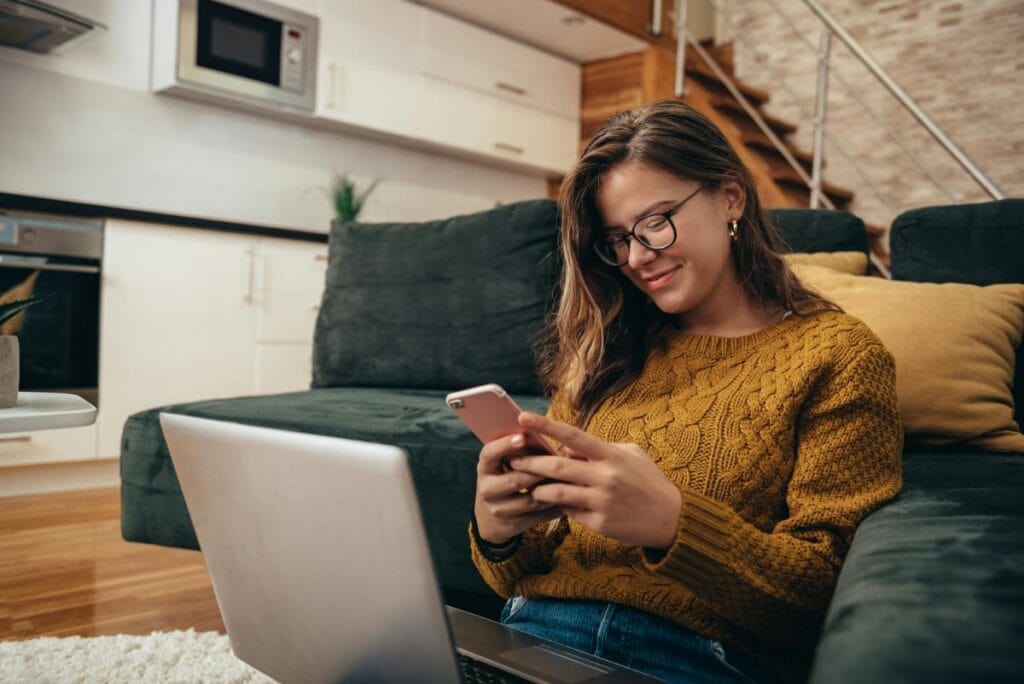
Strong eyesight starts with everyday habits. Teens spend more time online than any generation before them, often switching between phones, laptops, and gaming screens. Without balance, this can lead to headaches, eye strain, and blurred vision. Creating a healthy structure around these activities helps protect their eyes while still allowing them to enjoy the devices they use every day.
Managing Screen Time
Many teens rely on technology for homework, communication, and entertainment, so limiting everything at once rarely works. Instead, it helps to set realistic expectations by creating small, manageable adjustments. You can encourage device-free windows during meals, before bedtime, or during outdoor activities, which naturally reduces screen exposure without feeling restrictive. Using built-in screen-time settings to track daily usage also gives teens a clearer picture of their habits, making it easier to set achievable limits together. Most importantly, help them understand how prolonged screen use can lead to dry eyes, discomfort, and fatigue. The goal isn’t to eliminate devices, but to guide teens toward responsible, balanced use that protects their vision.
Proper Lighting for Study and Reading
Poor lighting forces the eyes to work harder, especially when reading small print or looking at digital text for long stretches. A few simple adjustments can make a noticeable difference. Keeping overhead lights on during homework, rather than depending on a single lamp, creates a more balanced environment. It also helps to position screens in a way that avoids glare from windows or bright room lights, since reflections make the eyes strain even more. Using soft, even lighting that brightens the workspace without creating harsh reflections further reduces discomfort. Together, these habits ease eye strain and help teens stay focused for longer periods without feeling worn out.
Taking Breaks and Doing Eye Exercises
Breaks are essential, especially during long study sessions or gaming hours. The well-known 20-20-20 rule works well because it’s easy to remember: every 20 minutes, look at something 20 feet away for at least 20 seconds.
You can also encourage simple eye exercises such as slow blinking to prevent dryness, shifting focus from near to far objects and lastly, relaxing the eyes by closing them briefly between assignments. These small routines help the eye muscles reset and reduce the feeling of heaviness or tiredness that teens often experience.
Choosing the Right Eyewear
Not all teens need glasses, but for those who do, choosing the right pair can make a real difference. Proper frames improve clarity, support healthy vision habits, and help teens feel comfortable wearing their glasses consistently.
Many people choose to order glasses online. This option makes it easy to browse a wide variety of frame styles, ensure a secure fit, durable lenses, and designs that match personal taste. It’s also a practical way to replace or update glasses whenever prescriptions change.
Prescription Glasses for Teens
When a teen needs glasses, comfort, durability, and style matter just as much as the correction itself. Many teens feel more confident when their eyewear reflects their personality, so involving them in the selection process helps encourage consistent use.
Parents can guide them by looking for frames that fit securely without sliding, lenses with protective coatings that reduce glare and designs they genuinely enjoy wearing.
For active teens, prescription safety glasses are an important option worth considering. They offer stronger protection during sports, science labs, or workshop classes where regular eyewear can’t handle unexpected impact. Parents can explore different styles through trusted retailers where they’ll find a variety of durable options designed with teens in mind.
Regular Eye Checkups and Ongoing Vision Care
As teens grow, their eyesight can change quickly. Routine exams give eye doctors the chance to spot issues early and prevent small problems from turning into bigger ones. These appointments also give parents and teens a clear picture of how their vision is developing over time.
Why Routine Exams Matter
An annual exam is more than a quick vision test. It evaluates eye health, checks for hidden issues like dryness or strain, and detects conditions that aren’t always obvious.
Routine exams help catch early signs of nearsightedness or farsightedness and can also identify problems caused by excessive screen use. Furthermore, regular exams ensure prescriptions stay accurate and comfortable, and also help prevent avoidable complications as teens get older.
Even if your teen feels fine, keeping up with yearly appointments gives them a strong foundation for long-term eye health.
Recognizing Warning Signs of Vision Problems
Teens may not always recognize when their eyesight is changing, and some may avoid mentioning discomfort because they think it’s temporary. Parents can watch for early indicators that something might be wrong:
- Frequent headaches after reading or screen use.
- Squinting or holding books and devices unusually close.
- Sudden drops in school performance due to difficulty seeing the board.
- Increased sensitivity to light.
When these signs appear, a prompt eye exam can prevent more strain and keep vision problems from affecting their daily routine.

Teaching Teens to Take Eye Health Seriously
Awareness is one of the most valuable tools parents can give their teens. When they understand how their eyes work and what harms them, they’re more likely to follow good habits without constant reminders.
Encouraging Personal Responsibility
Teens respond better when they feel included in the decision-making process. Instead of handing them rules, help them take ownership of their eye health by letting them choose frames that match their style, ask them how screen habits affect their comfort and discuss how small changes can improve their daily life. The more responsibility they take, the more naturally these habits stick.
Building Awareness About Digital Eye Strain
Digital eye strain is becoming common among teens who spend long hours on phones, tablets, and computers. Explaining what causes it helps them see why balanced usage is necessary.
You can start conversations around:
- Why blinking slows down during screen use.
- How blue light affects sleep and comfort.
- The importance of adjusting brightness and maintaining good posture.
When teens understand the reasons behind each adjustment, they’re more willing to build healthier routines.
Protecting a teen’s eyesight goes far beyond buying new glasses or scheduling an exam. It’s about creating consistent habits, choosing eyewear that suits their lifestyle, and teaching them how to care for their vision as they become more independent. With steady guidance, supportive routines, and the right tools — including options like prescription safety glasses for active or hands-on environments — parents can help their teens build strong eye-care habits that last well into adulthood.