
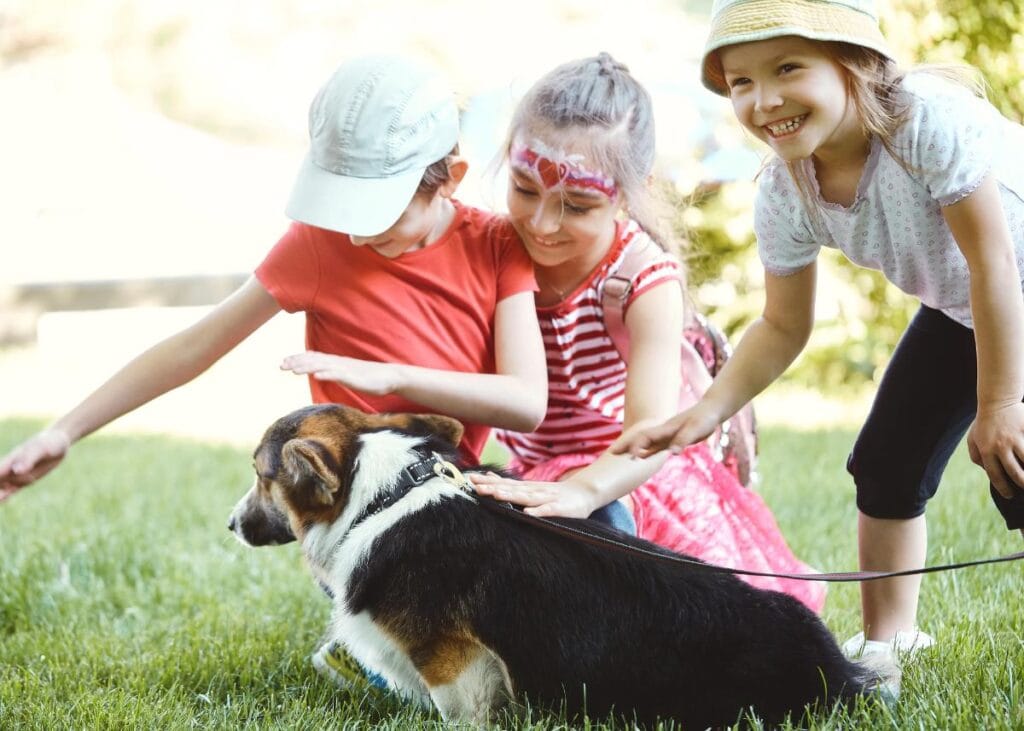
Children have an innocent curiosity that often draws them to animals—but that same curiosity can sometimes lead to tragedy. When a child is bitten by a dog, the aftermath is rarely limited to a single moment of fear or pain. The physical and emotional scars can follow them for years, influencing how they grow, move, and even see the world. Because children are still developing physically and psychologically, their recovery from such trauma is far more complicated than an adult’s.
The consequences of serious injuries from a dog bite can ripple through every stage of a child’s life. From infections and nerve damage to post-traumatic stress and developmental challenges, these attacks can permanently reshape a young person’s body and confidence. Understanding the full scope of how dog bites affect growing children is essential to ensuring they receive the care, justice, and long-term support they deserve.
How Children’s Vulnerability Increases the Risk
Children are particularly at risk during dog encounters because of their small stature, quick movements, and tendency to approach animals at eye level. Dogs may interpret these gestures as threats or challenges. Sadly, even trusted family pets can lash out unexpectedly under stress or provocation.
When a bite occurs, the injuries tend to concentrate on the face, neck, and arms—areas that are difficult to protect and highly sensitive. Unlike adults, children lack the physical strength or instinct to defend themselves effectively, making their wounds often deeper and more extensive.
The Medical Complexity Behind Pediatric Dog-Bite Injuries
A child’s body is still growing, meaning wounds heal differently than in adults. Dog bites can crush soft tissue, break delicate bones, and disrupt the growth of muscles or joints. These injuries frequently require multiple reconstructive surgeries as the child grows, especially when facial structures or limbs are affected.
Doctors often warn that deep bites can cause long-term asymmetry in facial development or restricted movement if scarring tightens over time. This means what looks like a healed wound today could still require surgical correction years later as the child matures.
The Hidden Dangers of Infection and Disease
Beneath the surface of a dog bite lies a serious and often underestimated threat—bacterial infection. Even small puncture wounds can introduce harmful microorganisms into the bloodstream, leading to rapid and sometimes life-threatening complications.
- Bacterial exposure: Dog saliva can contain dangerous bacteria such as Pasteurella multocida, Staphylococcus aureus, and Capnocytophaga canimorsus, all capable of triggering severe infections.
- High risk for children: Because children’s immune systems are more vulnerable, infections can spread faster, increasing the risk of sepsis, tissue necrosis, or lasting medical complications.
- Essential medical care: Prompt treatment with vaccinations, antibiotics, and tetanus shots is crucial to prevent bacterial growth and systemic infection.
- Continued monitoring: Even after initial treatment, close medical supervision for several weeks ensures that hidden or delayed infections are detected and managed early.
Nerve Damage and Its Long-Term Consequences
When a bite affects the face or extremities, nerve damage becomes a major concern. Loss of sensation, partial paralysis, or chronic pain can all result from deep punctures or crushing injuries. For children, this can interfere with fine motor skills, handwriting, or the ability to perform daily activities.
Rehabilitation may involve long-term physical therapy, and in some cases, nerve grafting or electrical stimulation to restore function. The road to recovery is long and emotionally draining, especially when progress is slow or incomplete.
Psychological Trauma and Behavioral Impact
While the physical wounds can be seen and treated, the psychological damage often hides beneath the surface. A child who survives a dog attack may experience nightmares, anxiety, or fear of going outdoors. In some cases, they develop post-traumatic stress disorder (PTSD), which can affect school performance, friendships, and overall confidence.
Therapists use trauma-informed care—often through play therapy or art therapy—to help children process their fear in a safe, supportive environment. Without such care, the emotional residue can linger into adulthood, turning an isolated attack into a lifelong source of distress.
The Role of Parents and Caregivers in Recovery
Parents play a vital role in guiding their child’s healing—emotionally, physically, and legally. From ensuring consistent medical follow-up to fostering a sense of security, their involvement can determine how completely a child recovers.
It’s equally important for parents to advocate for accountability. Pursuing a claim isn’t just about financial recovery—it’s about ensuring access to ongoing medical care, counseling, and corrective procedures that insurance alone may not cover. Empowering parents to act early helps secure the resources their child will need for years to come.
The Financial and Emotional Toll on Families
The expenses from a single dog bite can escalate quickly: emergency care, surgeries, therapy, and long-term rehabilitation often exceed tens of thousands of dollars. For many families, this financial weight compounds the emotional strain of watching a child suffer.
Legal assistance can help ease these burdens by holding negligent dog owners responsible. Compensation can cover both tangible costs and emotional harm, allowing families to focus on what truly matters—supporting their child’s recovery and rebuilding a sense of normalcy.
What Parents Should Do Immediately After a Dog Attack
A calm, decisive response in the moments after a bite can change everything about the outcome. Here’s what parents should prioritize:
- Get emergency medical help to clean wounds and prevent infection.
- Document injuries thoroughly through photos and detailed medical notes.
- Report the incident to animal control or local authorities for official documentation.
- Obtain information about the dog and owner, including vaccination records.
- Seek trauma counseling early, even if your child seems outwardly fine.
- Consult an experienced dog-bite attorney to explore compensation for medical and emotional recovery.

Building Safer Communities for Children and Pets
Every dog bite that harms a child reveals a gap—whether in supervision, training, or awareness. Preventing future tragedies means educating families and pet owners about responsible behavior. Simple measures such as leash laws, socialization training, and teaching children how to safely approach animals can save lives.
Communities that emphasize accountability, compassion, and education help protect both children and pets. When we learn from these heartbreaking incidents, we move closer to ensuring that every child grows up without fear—and that every pet owner understands the profound responsibility that comes with care and companionship.