
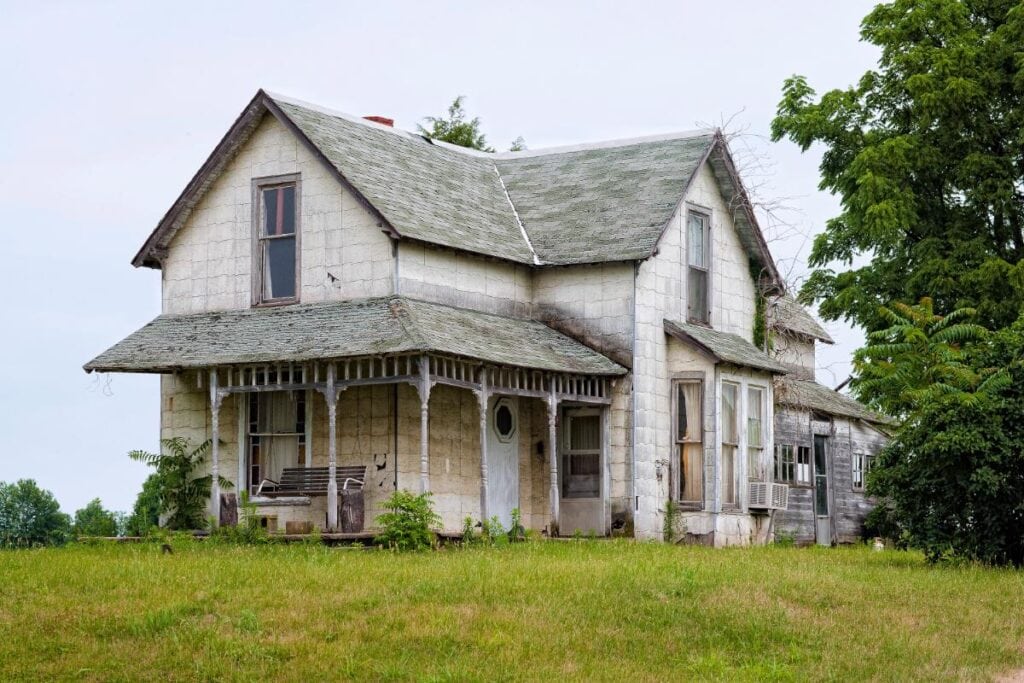
Buying a house is exciting.
However, it can also be one of the worst financial decisions you ever make if you ignore the boring things… like verifying that the property will hold up for the next 20 years.
The majority of homes for sale are staged to perfection. Fresh paint. Fluffed furniture. Mowed lawn. Distract you from what’s really happening inside.
Here’s the kicker:
The most costly problems are typically out of sight. Split footings. Decayed wood under the flooring. Stuck movement in the structure that won’t show up until the first major rainstorm.
That’s why heeding the warning signs (and knowing when to call in a professional structural inspection) is so important…
Here’s what’s inside:
- Why Structural Issues Get Missed
- The Warning Signs You Should Never Ignore
- What To Do When Something Looks Off
Why Structural Issues Get Missed
Most buyers walk through a property for 20 minutes and think they’ve “inspected” it.
They haven’t.
Real estate agents know how to draw your attention to the positives… the kitchen, natural light, backyard. Cosmetic issues linger quietly hoping you won’t see them.
Numbers don’t lie and they are frightening. A University of New South Wales study discovered that 85% of newly built Australian homes have at least one defect. Yep, you read that correctly. Nearly every new construction has defects.
If new homes are that bad… imagine what the older ones are hiding.
That’s where getting the right structural inspection can save you. Hiring a professional team like Inscope Inspections to come walk through with you prior to purchase means you know about the costly problems BEFORE they’re yours. Structural inspections find movement, framing defects, water issues, termite activity and code violations that the average buyer wouldn’t think to look for.
Even better, it puts you in the position of power. You can walk away, negotiate on price, or ask the seller to make repairs prior to settlement.
The Warning Signs You Should Never Ignore
Even if you’re not a builder, you can identify some of the early warning signs when you do a walkthrough. You just need to know what to look for. If any of these are present on your walk-through, take that as a sign you should schedule a thorough structural inspection prior to closing.
Cracks That Tell A Bigger Story
All cracks are not death sentences. Hairline cracks in paint or plaster are quite common in most homes.
But these ones are a big deal:
- Stair-step cracks in brickwork (they follow the mortar lines)
- Horizontal cracks in walls or foundations
- Cracks wider than a 5c piece
- Cracks that keep coming back after being patched
- Cracks running diagonally from door or window corners
These are called movement cracks. And they typically indicate the soil underneath your house is moving when it shouldn’t be. It’s one of the most obvious signs your home needs a comprehensive structural evaluation.
Doors and Windows That Won’t Behave
Open every door and window in the house. Every single one.
If they:
- Stick badly
- Won’t latch properly
- Have huge uneven gaps in the frame
- Or swing open on their own
Probably the frame of your house has shifted. Doors and windows are hung plumb and square. When they start sticking or rubbing it usually means the walls around them have moved.
Floors That Feel “Off”
Walk around the property in socks. Seriously.
You are feeling for:
- Sloping floors (drop a marble and see where it rolls)
- Bouncy or spongey spots
- Squeaky patches that give under your weight
- Gaps between the skirting board and the floor
Floors that bounce or spring back indicate decayed stumps or broken joists. Floors that slope indicate movement in the foundation. Either problem is expensive to repair.
Water Damage And Moisture Clues
Water is the single biggest killer of Aussie houses. Follow water and you’ll eventually find rot, mold, termites and rusted structural steel.
Keep an eye out for:
- Musty smells in cupboards, laundries or basements
- Bubbling paint or blown plaster
- Yellow or brown ceiling stains
- Rust spots pushing through the wall
- Fresh paint in random small patches (someone is covering something up)
Little tip: Look inside vanities or under kitchen sinks. That’s where people selling homes forget to conceal problems.
Roof And Ceiling Red Flags
Request permission to stick your head into the roof void at some point when viewing privately. They’re dodgy if they don’t let you.
Once you are up there (or looking at the ceiling from below), check for:
- Sagging ridge lines
- Cracked or slipped roof tiles
- Daylight coming through gaps
- Water stains on the underside of the roof
- Broken rafters or trusses
The roof is one of the costliest things to replace on a house. You’ll want to know its condition before you make an offer.
What To Do When Something Looks Off
You found one or two warning signs? Don’t freak out and don’t fall in love with that house.
Here’s the process to follow:
- Take photos — lots of them
- Don’t confront the agent — they’ll only downplay it
- Book an independent structural inspection
- Wait for the report before signing a single document
- Negotiate based on what the report says
Step 2 is important because you are going up against long odds. Did you know that 53% of the properties being sold across Sydney today have hidden defects you are not aware of. According to the NSW Building Commission, that’s right. Over half of the houses and units on the market have issues no one knows about yet.
A structural inspection will cost you a few hundred dollars. Forgetting one can cost you tens of thousands… even more.
The Bottom Line
Home buying is an emotional process. It’s easy to get caught up in location, finishes, “feel” of the home and forget that you are actually buying bricks, timber, concrete and steel.
To quickly recap the warning signs that a house needs a closer look:
- Serious cracks (stair-step, horizontal, or growing)
- Doors and windows that don’t work right
- Floors that slope, bounce, or squeak
- Any hint of water damage or moisture
- Roof or ceiling issues visible from below
If you spot even one of these… slow down.
Get a thorough, independent structural report from a qualified professional. It’s the one investment you should never skimp on when buying property. Simply because:
Sometimes, the house you pass on can save you more money than the one you buy.