
Busy parenting days leave little room to notice how your body carries stress until a dull ache settles into your temples. Unconscious daytime clenching, hours hunched over screens, and subtle misalignment in your upper neck frequently trigger persistent tension headaches and jaw tenderness linked to temporomandibular joint (TMJ) disorders.
Recognizing these connected triggers helps you break the pain cycle early. Improving your posture, easing muscle strain, and choosing targeted care can bring lasting relief without daily medication.

What Subtle Signs Point to Jaw Dysfunction?
Many parents expect a clicking jaw to be the first warning sign of a problem. Data from the Cleveland Clinic shows that temporomandibular disorders affect up to 12 million Americans, mostly adults between 20 and 40. Because those peak years overlap with early parenthood, you can easily mistake early symptoms for routine fatigue.
Tightness around your temples, unexplained ear fullness, and morning neck stiffness often signal hidden joint strain before clicking starts. You may also notice dull cheekbone soreness or worn teeth from nighttime grinding. Catching these quieter clues early lets you protect your joint before inflammation worsens.
Which Non-Surgical Therapies Relieve Chronic Jaw Tension?
Conservative, non-surgical therapies target both tight facial muscles and restricted spinal joints to restore smooth movement. When home stretching falls short, exploring dedicated TMD treatment St Louis gives Missouri residents access to hands-on care that addresses joint mechanics without medication. Clinicians use gentle chiropractic mobilization, soft-tissue release, and targeted jaw exercises to calm inflammation and ease daily clenching.
Manual joint adjustments restore natural motion to stiff upper neck vertebrae while reducing nerve irritation around your face. Pairing these hands-on sessions with custom night guards or guided relaxation techniques protects your teeth while your muscles recover.
How Does Neck Posture Strain Your Jaw?
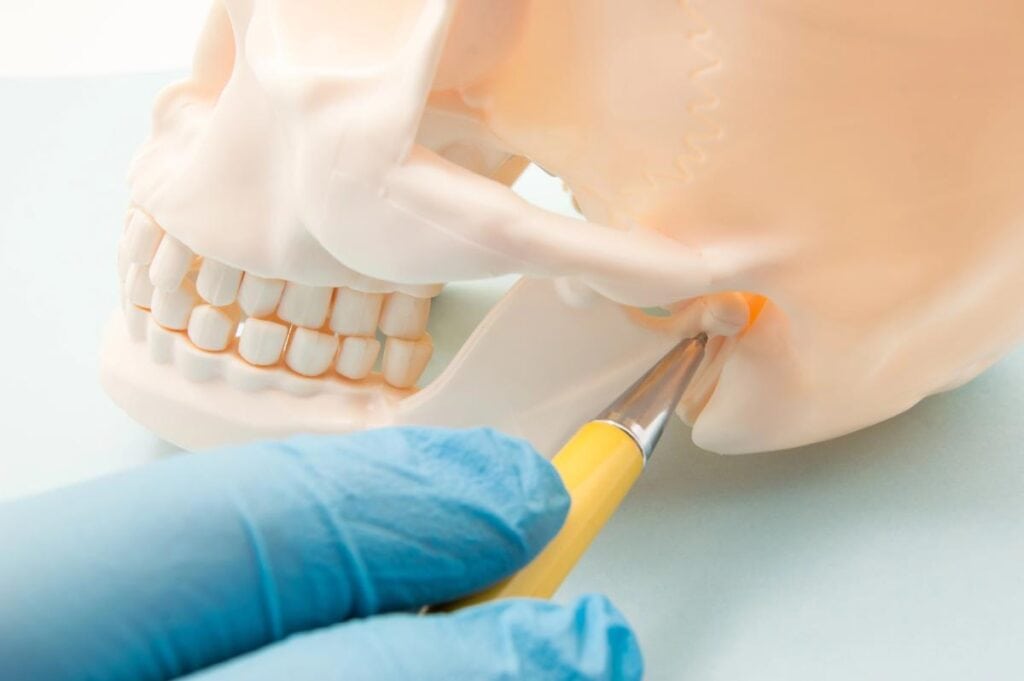
Your jaw joint and cervical spine share an interconnected network of muscles, ligaments, and nerves. Every time you lean forward to check a phone, cradle a toddler, or work at a low laptop screen, your head shifts ahead of your shoulders. That forward tilt forces your neck and jaw muscles to work overtime just to keep your head balanced.
Sustained tension in your upper neck pulls your lower jaw slightly backward, placing uneven pressure on the delicate joint disc. Leaving that postural strain uncorrected turns ordinary chewing and talking into repetitive sources of friction and soreness.
Build Simple Daily Habits That Protect Your Alignment
Small ergonomic adjustments throughout your routine take significant pressure off your neck and jaw. Raising your computer monitor to eye level, keeping your shoulders relaxed, and resting your tongue gently against the roof of your mouth prevent unconscious daytime clenching.
Taking brief posture breaks between parenting tasks gives overworked facial muscles a chance to reset. Applying warm compresses before bed relaxes tight jaw fibers so you wake up with less morning stiffness.
Living with persistent jaw tightness or recurring tension headaches does not have to be your normal routine. Scheduling a dedicated evaluation that assesses both your spinal posture and jaw joint function helps pinpoint the true source of your discomfort. With the right balance of ergonomic awareness and non-invasive care, you can protect your long-term comfort and focus on your family pain-free.