
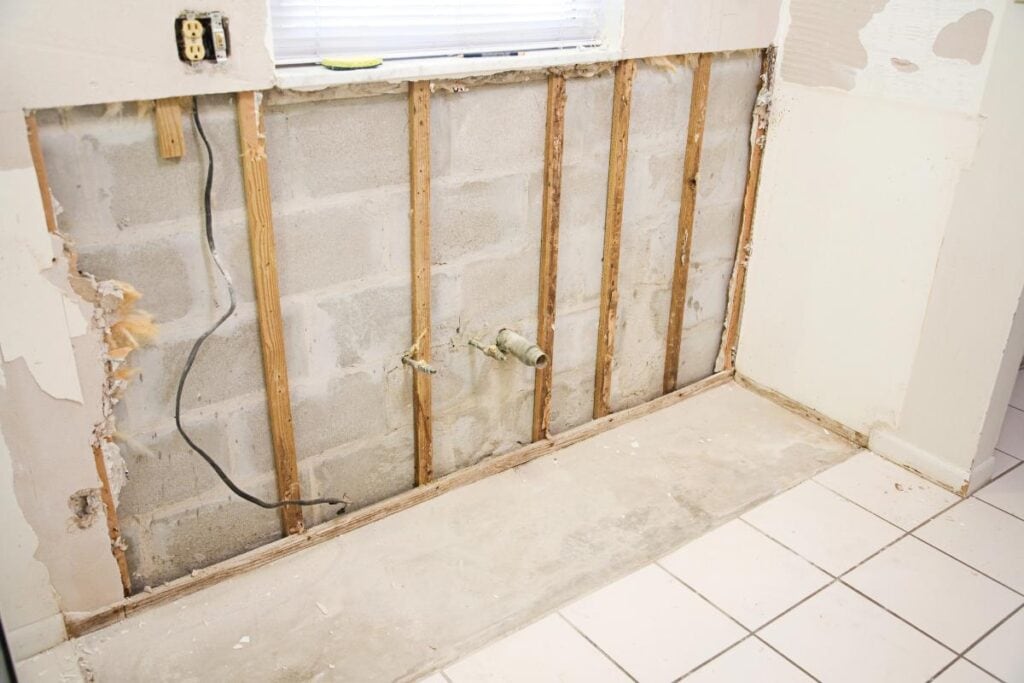
Water damage is one of the few household problems where the clock does most of the damage, not the water. A supply line lets go behind the dishwasher, you shut the valve, you pull the towels out, and the visible part of the problem is over in an hour. The expensive part starts quietly, in the two days after.
That gap between what you can see and what’s actually happening is why so many people underestimate this. The floor looks dry. The wall looks fine. Underneath, the subfloor and the bottom plate of the wall are holding moisture that a bath towel was never going to reach.
The 24 to 48 hour window is the whole game
The Environmental Protection Agency’s guidance on moisture and mold is specific about timing: wet or damp materials should be dried within 24 to 48 hours to prevent mold growth. That window is the single most useful number in this entire subject.
Inside it, you’re managing a water problem. Outside it, you may be managing a biological one, and the response changes from drying to removal and replacement. Drywall, insulation and carpet padding all hold water well and give it up slowly, which is exactly the wrong combination.
Warm, humid regions compress that window further. In the Carolinas, summer humidity means the air itself isn’t doing much to help materials dry, so a leak that would air out in a dry climate can sit damp for days.
Why “it dried on its own” is usually wrong
Surfaces dry first. That’s the trap.
Water follows gravity and capillary action into places you can’t inspect: under the vinyl plank, into the seam between subfloor sheets, up the paper facing of the drywall, along the sill plate. Air movement over the top of a floor does very little for the layer beneath it.
There are a few signs the problem outlived the towels. A musty smell that won’t air out of a closed room. Baseboards start to swell or pull slightly away from the wall. You’ll notice flooring cupping or lifting at the seams, paint blistering weeks later, or a ceiling stain that gets a little bigger every time it rains.
None of those show up on day one, which is why the mistake is so easy to make in good faith.
Not all water is the same, and it changes what you can do
The restoration industry sorts water into three categories, and the distinction is a practical one rather than a technicality.
Clean water comes from a supply line, a tap or a water heater. If it’s addressed quickly, this is the most recoverable situation.
Grey water carries some contamination. Washing machine discharge, dishwasher overflow, a sink drain.
Black water includes sewage and flood water from outside. This one carries genuine health risk, and it isn’t a homeowner cleanup at any scale.
Two things worth knowing. Category is not fixed, and clean water left sitting will degrade into a worse category over time. And porous materials that have taken on contaminated water usually can’t be cleaned and dried back to safe condition, which is why carpet and padding often get removed rather than treated.
What you can handle, and where the line is
In the first hour, you can do a lot. Shut off the supply. If you can reach the breaker without standing in water, kill power to the affected area. If water has already reached the panel, or you would have to wade through standing water to get to it, leave it alone and call your utility company or an electrician to cut power at the meter. Lift furniture off wet flooring, or get foil or blocks under the legs so the finish doesn’t bleed into the carpet. Pull up what’s saturated and portable. Get air moving with fans and a dehumidifier if you have one. Photograph everything before you move it, because that record matters later.
The line is mostly about scale, category and time. The EPA suggests that mold covering more than about ten square feet is worth bringing in a professional for. Sewage or outside flood water is not a DIY situation at any size. And anything that has been wet for more than roughly two days has probably moved past what fans can resolve.
The other reason to call early is measurement. Restoration crews use moisture meters and thermal imaging to find water inside assemblies, then dry to a documented target rather than to the point where things feel dry to the touch. That documentation also tends to matter when an insurer asks what was done. If you’re in a humid market like the Carolinas, a company that handles water damage restoration in Charlotte can measure what’s actually wet and tell you whether this is a drying job or a demolition job, and those are very different budgets.
Where it usually starts, and what to check this weekend
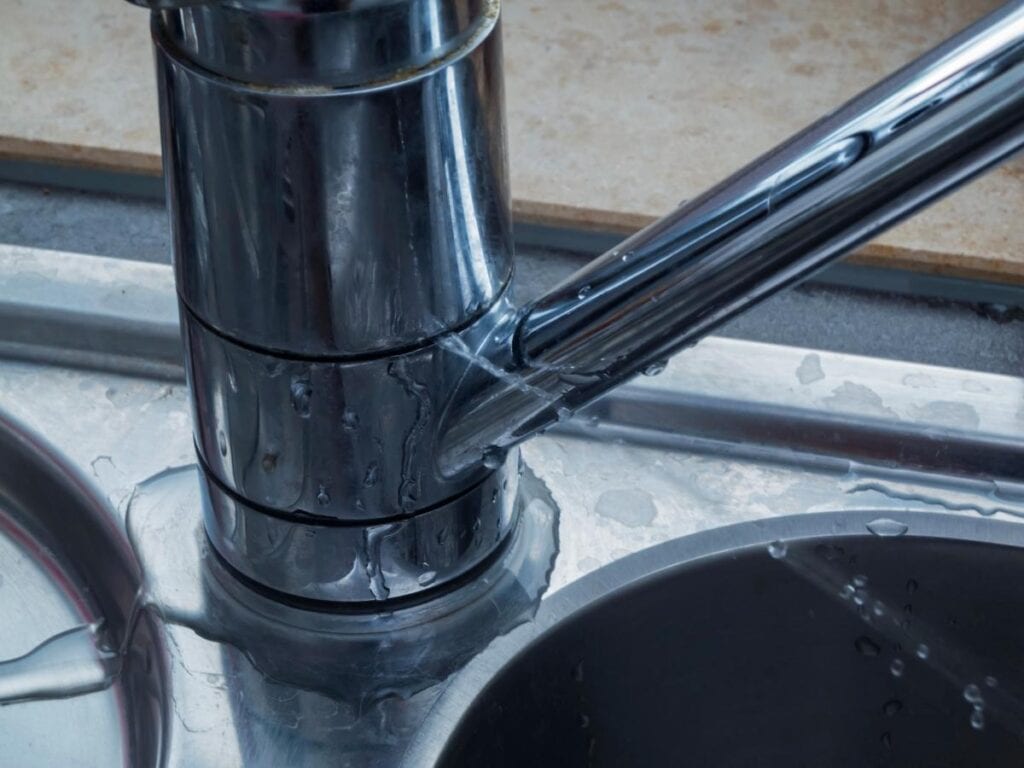
Most household water damage doesn’t come from storms. It comes from five or six failure points that are cheap to check and easy to forget.
Washing machine hoses are the classic one. Rubber hoses harden and crack with age, and they fail under full line pressure with nobody home. Braided stainless is a modest upgrade and worth doing before the old ones give you a reason.
Then look at the water heater. Any rust streaking or damp at the base of the tank is a warning, not a quirk. Check the supply lines behind the toilet, under sinks, and at the refrigerator ice maker, and give the dishwasher connection a look while you’re down there.
The one people in humid climates miss is the air conditioner condensate drain. It runs constantly all summer, and when the line clogs, the pan overflows into whatever is underneath, which is often a ceiling or an attic floor. A quarter to a half cup of white vinegar down the line every couple of months in cooling season keeps it clear. Make sure the unit is off first.
None of that takes an afternoon. It’s the cheapest insurance in the house.
The bottom line
The cost of water damage is set mostly in the first two days, and mostly by what you couldn’t see. Materials that get dried inside the window usually stay. Materials that don’t usually come out.
So treat the timeline as the emergency, not the puddle. Shut the water off, get air moving, take photographs, and get someone to measure what’s actually wet before the window closes. The difference between drying a room and rebuilding one is often just a matter of hours.