
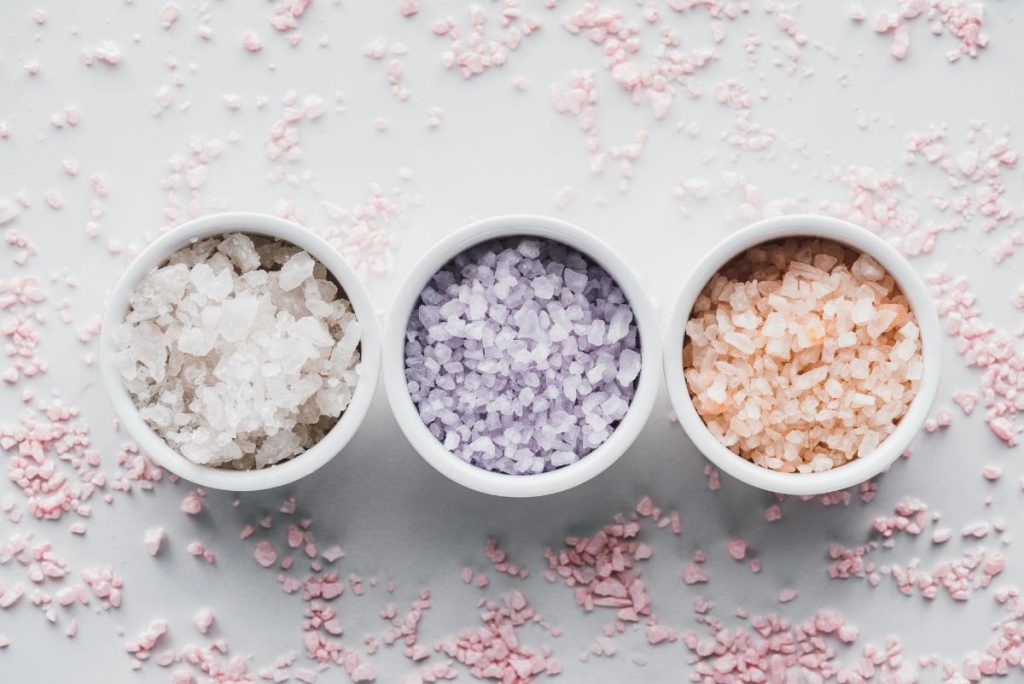
Every pinch of salt carries character. What distinguishes gourmet salt lies is its origin, formation, and trace minerals that shape aroma, texture, and appearance. From delicate fleur de sel harvested by hand to Hawaiian red ʻalaea enriched with volcanic clay, each type has a unique sensory appeal. This rich variety of Gourmet Salt allows cooks to elevate dishes, whether as seasoning during cooking or as a final flourish just before serving.
A Tour of Star Salts
Fleur de Sel
A premium finishing salt, hand-raked from calm evaporation pools in France or Portugal. With a delicate, moist flake structure and subtle ocean brininess, it’s ideal for sprinkling on top of grilled fish, desserts, or chocolate, adding both flavor and visual appeal.
Sel Gris (Gray Salt)
Also from French flats, sel gris forms by contacting the pan bottom. It’s coarser and moister than fleur de sel, packing minerals like calcium and magnesium. This hearty everyday salt enhances roasted vegetables, bread doughs, or homemade butter.
Himalayan Pink Salt
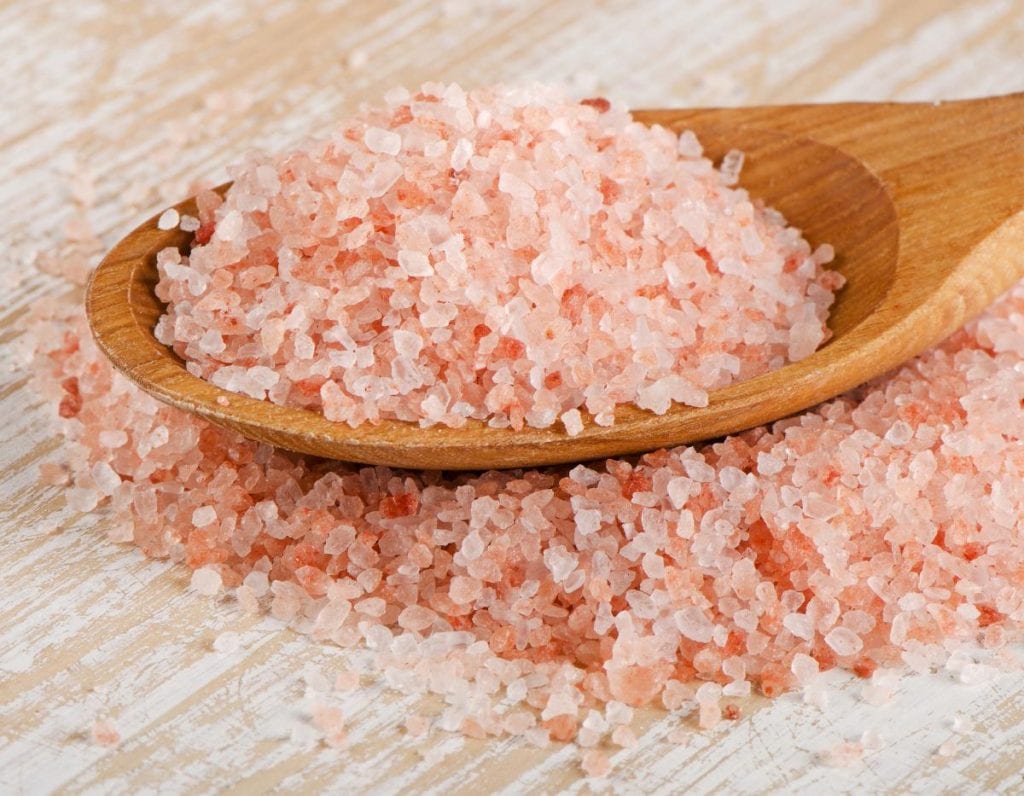
Mined from ancient deposits in the Himalayas, its rosy hue and mild mineral taste make it both functional and decorative. It works well in brines, salt blocks for grilling, or as a colorful garnish. Its trace‑mineral palate offers subtle flavor nuances.
Hawaiian Red ʻAlaea Salt
Sea salt blended with red volcanic clay gives this salt its earthy color and iron-rich taste. Traditionally used for cleansing and ritual, in modern cooking, it enhances grilled meats, poke, and soups with a warm mineral depth.
Kala Namak (Black Salt)
Colorful and pungent, this South Asian rock salt gains a sulfurous note through kiln-firing. With its eggy aroma, it’s iconic in Indian chaat, chutneys, and vegetarian egg dishes, offering a bold, surprising layer of flavor.
Bamboo Salt
A Korean specialty, sea salt is baked in bamboo multiple times, infusing it with sweet, woody, and mineral tones. The result is salt with unique crystal forms and mild smoke flavor, great for stews, marinades, or as a finishing sprinkle.
Smoked and Specialty Salts
These include salts cured over woods like hickory or mesquite, charcoal-infused black salts, and flavor-enhanced blends such as truffle salt or chili salt. They add complexity and aroma—ideal for grilled foods, cocktails, or popcorn.
Underlying Chemistry and Health Aspects
All gourmet salts are primarily sodium chloride, but what sets them apart are the trace minerals like calcium, magnesium, and potassium, which subtly tweak texture and taste. Less refined salts often contain more of these minerals, contributing to their uniqueness.
Though gourmet salts can retain quality for years, additives such as iodine may degrade over time. The salts themselves won’t spoil, but textures and potency may change. For best results, store in airtight containers, away from moisture, and replace within 3–5 years, depending on the type.
Tips to Shine the Spotlight on Gourmet Salt
1. Think Texture First
Use coarse salts early—they dissolve slowly on roasts or potatoes. Reserve delicate salts like fleur de sel or Maldon for finishing dishes when crisp crunch matters.
2. Match Color & Aroma
Use vibrant salts like Himalayan pink or Hawaiian red to visually contrast dishes. Kala namak or bamboo salt brings aromatic surprises to stews or simple egg recipes.
3. Use as a Flavor Bridge
Layer different salts through cooking stages: sprinkle sel gris during roasting for depth, then finish with fleur de sel for sparkle and nuance.
4. Elevate Simple Dishes
Even a basic scrambled egg can transform with a touch of kala namak. Chocolate-based desserts like caramels or salted shortbread gain complexity with fleur de sel.
5. Respect Sodium Limits
Specialty salts may taste saltier per grain, so start small. Be mindful: Overusing sodium contributes to health issues. Gourmet salt boosts flavor, so you can use less overall.
DIY Salt Blends: Star-Making at Home
- Herb Salt: Dry rosemary, thyme, or lemon zest, then blend with coarse sea salt. Use for finishing grilled veggies or bread.
- Smoked Salt Alternative: Mix kosher salt with ground smoked paprika or chipotle powder for a smoky kick without a smoker.
- Bamboo-Inspired Salt: Bake coarse salt lightly over clean wood coals, cool, then store—it mimics gentle smokiness.
- Regional Blend: Mix fleur de sel, pink Himalayan, and a pinch of kala namak for complexity in homemade salt-cellar blends.
Gourmet salt is seasoning with personality. By thoughtfully choosing the right salt for each dish stage, you add layers of flavor, texture contrast, and visual intrigue. Whether raked by hand or kiln-fired in tradition, these salts are edible expressions of place, craft, and culture. So next time you reach for the salt, don’t just ask yourself how much salt to add, but which one? A slight tweak in the type of salt can take your favorite dishes to the next level.