
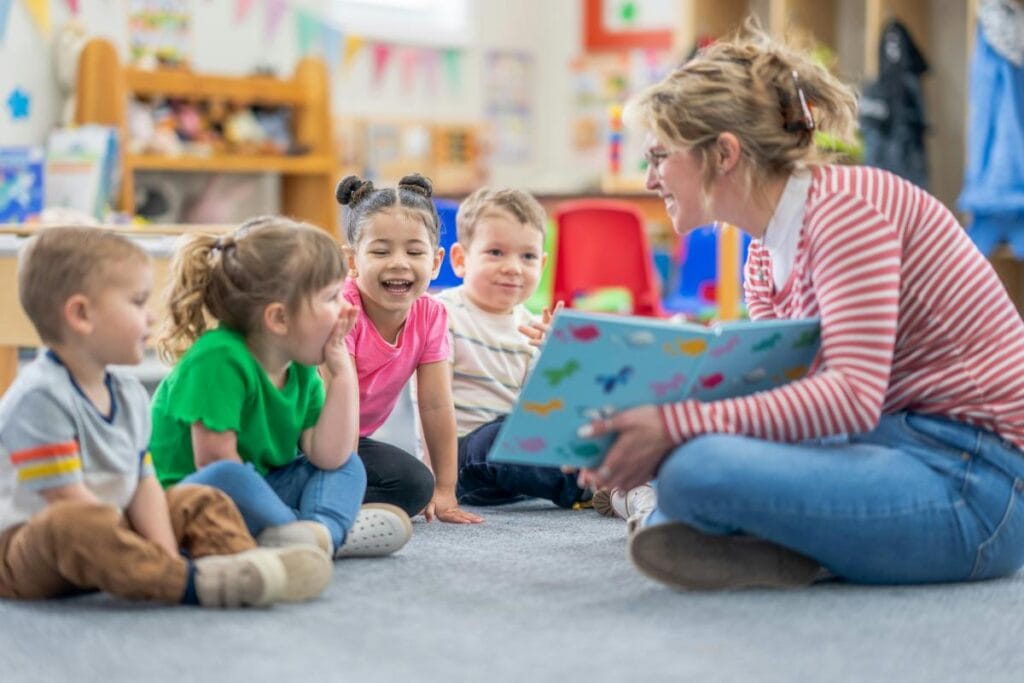
Early childhood represents a time of rapid transformation. Brains grow faster in the first five years than at any other stage of life. These years establish the foundation for emotional health, academic success, and lifelong relationships. Parents, educators, and communities all play a part in supporting children during this extraordinary window of growth.
Families searching for meaningful early learning opportunities often turn to programs like those from KLA Schools, which emphasize exploration, creativity, and collaboration. The choices parents make in these early years shape how children develop curiosity, resilience, and social skills that extend well into adulthood.
Brain Development Creates Lasting Pathways
Neuroscience shows that early experiences strengthen connections in the brain. Every interaction, from a caregiver’s soothing voice to a child’s first attempts at problem solving, creates neural pathways that influence learning and behavior. The brain remains flexible during these years, which makes early childhood education essential for fostering attention, memory, and reasoning skills.
Children who experience environments filled with conversation, play, and problem-solving demonstrate higher levels of cognitive growth. Families who prioritize enriched experiences often notice their children becoming better equipped for both school readiness and real-world challenges.
Emotional Growth During Early Childhood
Emotional development is equally vital in shaping a child’s future. During preschool years, children learn to manage frustration, share with peers, and express feelings. These skills help them build empathy and form healthy relationships. Early opportunities to practice emotional regulation reduce future risks of anxiety and behavioral challenges.
Educators and caregivers who create safe, supportive spaces enable children to explore their emotions without fear. Group settings such as preschools or daycare programs give children opportunities to develop resilience while navigating conflicts and celebrating achievements.
Language and Communication as Cornerstones
Language blossoms in the early years. Vocabulary expands rapidly, and children begin to understand how words connect with feelings and ideas. Reading stories aloud, engaging in conversation, and encouraging questions all stimulate communication skills.
Strong early literacy and language development predict later success in school. Children who acquire broad vocabularies and learn to listen attentively tend to perform better in reading comprehension and writing during elementary grades. Parents and educators who nurture curiosity through books, songs, and storytelling help children develop communication skills that last a lifetime.
Social Interaction Builds Confidence and Cooperation
Children benefit from opportunities to collaborate, share, and negotiate with peers. Group activities in preschools allow children to practice leadership, teamwork, and compromise. Learning how to interact positively with others builds both confidence and self-control.
Parents who enroll children in high-quality early learning programs often notice improvements in social adaptability. These skills influence future academic participation, as confident children raise their hands, ask questions, and express ideas.
The Role of Play in Cognitive and Physical Development
Play is more than entertainment; it serves as a powerful learning tool. When children build with blocks, engage in role-play, or explore outdoor spaces, they practice creativity, fine motor skills, and problem-solving.
Play also strengthens executive functioning, which includes memory, flexible thinking, and self-control. Educators who design environments filled with open-ended materials encourage children to imagine, test theories, and collaborate. Physical play further supports coordination, balance, and overall health.
Family Involvement Reinforces Learning
Children thrive when families remain engaged in their learning journey. Conversations at home, family reading routines, and shared experiences extend what children learn in school. Involved parents send strong messages about the value of education, persistence, and curiosity.
Research indicates that children whose parents participate actively in early education demonstrate stronger academic performance and social skills. Whether it is attending preschool events, volunteering, or simply asking about daily experiences, family involvement leaves a lasting impression.
Long-Term Impact of Early Childhood Foundations
The skills gained in the first five years extend far beyond preschool. Children who receive consistent support in cognitive, social, and emotional development are more likely to succeed in elementary school, graduate from high school, and pursue higher education. They also demonstrate stronger problem-solving abilities and healthier relationships in adulthood.
Early education not only benefits the child. Communities also thrive when children grow into capable, empathetic, and responsible adults. Investments in preschool programs yield social and economic benefits for society as a whole.
Moving Forward with Purpose
Understanding the importance of the first five years empowers families to make intentional choices about early education and home environments. Prioritizing nurturing relationships, rich language, meaningful play, and supportive learning opportunities helps children flourish.
Parents who recognize this window of opportunity ensure their children grow with confidence, curiosity, and resilience. The journey begins early, and the decisions made today shape the leaders, thinkers, and innovators of tomorrow.