
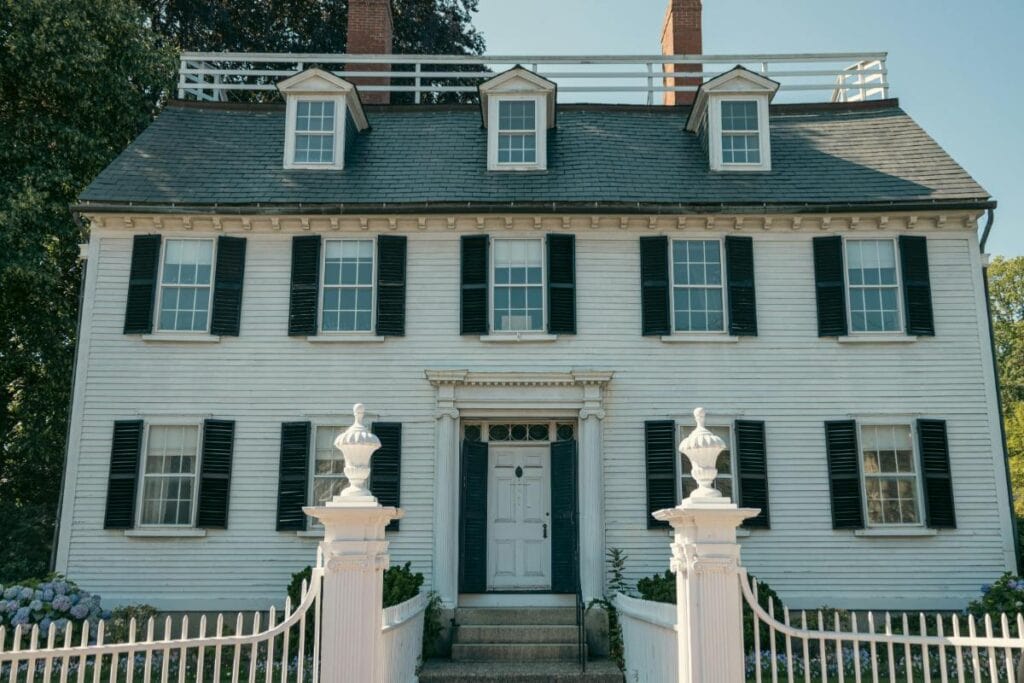
Have you ever noticed that your home feels, well, actually older than what it probably is? Yeah, sure, none of that probably makes any sense either, right? Like, there wasn’t a flood, that wasn’t any sort of major spill, no disaster, instead, just life. Then it hits all at once, like Wow, when did this place start looking, well, tired. Yeah, that’s the easy way to describe it, it’s tired, its looks are fading, and just doesn’t have that “pizazz” or that charm as it used to. Now, sure, some home upgrades can help a lot; there’s no doubt about any of that.
But it’s all still going to come down to the habits, as in, what are the habits that age a home faster than anything else? Not the big stuff, not the scary home improvement projects, but those little everyday things nobody even notices in the moment.
Forgotten Corners are Basically Aging Machines
Yep, every home has those spots nobody touches. Usually, it’s behind sofas, the tops of wardrobes, under the bed, behind the chest of drawers, that weird gap between the fridge and the wall that no one knows how to reach without removing a shoulder. Yeah, yeah, this list could go on and on.
Plus, other issues like dust builds up, crumbs hide there for months, random fluff gathers like it’s building a community, oh, well, that’s because it kind of did, because pests are attracted to these random hidden corners, and yeah, chances are, you’ll probably need to call pest control for some help. So, keep an eye on the corners.
Fabrics Wear Out
Well, of course they do, that’s obvious! Well, fabrics always age faster than anyone expects. No, really, like a lot faster than you might even anticipate. For example, you can usually count on sofas fading on the side that gets the most sunlight (that’s sun bleaching for you), curtains losing color at the edges, and rugs flattening in the exact walkway used every single day.
But you can’t forget cushions either, as they get tired from everyone flopping into them after work. Plus, even bedding looks older long before anyone’s ready to buy new sets. And even washing things too often wears them down faster, so it’s kinda like a catch-22 here, you see? Once fabrics start looking worn, the whole room has that “well, okay then” energy that makes the entire space seem older.
Those Small Habits Add Up Fast
Yeah, this sounds wild, but think about it, your home, well, all homes age through micro habits. Like, a mug left out overnight, shoes piled near the doorway, maybe even a window left cracked during damp weather. Even other weird things like clothes on the chair instead of the wardrobe, wiping surfaces “tomorrow” but then completely forgetting about it.
Are you guilty of any of these? How about your family? Well, most people are, and sure, none of these things feel like a big deal in the moment. But they all do add up, one by one.
So yeah, it’s not always about the big renovations or dramatic makeovers. Sometimes, it’s just those tiny, everyday habits that sneak in and slowly wear your home down without anyone really noticing. The good news is that most of it’s fixable, and honestly, kind of easy once you know what to look out for.
Just start paying attention to the little things: clean out the forgotten corners, fluff the cushions, and maybe, just maybe, stop tossing your socks on that one chair every night. Your home doesn’t need to feel older than it is. It just needs a little love (and maybe a decent vacuum).