
Water damage does not always begin with a burst pipe or a major storm. Sometimes it starts with a small gap around a window, a slow drip beneath a sink, or rainwater that no longer drains away from the house as it should.
These problems are easy to miss in a busy household. If a room looks dry and everything seems to be working, checking the less visible parts of the home can slip down the to-do list. Unfortunately, water can reach walls, insulation, flooring, and stored belongings before the damage becomes obvious.
The good news is that many moisture problems leave warning signs. Knowing where to look and when to call a professional can help you address minor maintenance issues before they turn into much larger repairs.
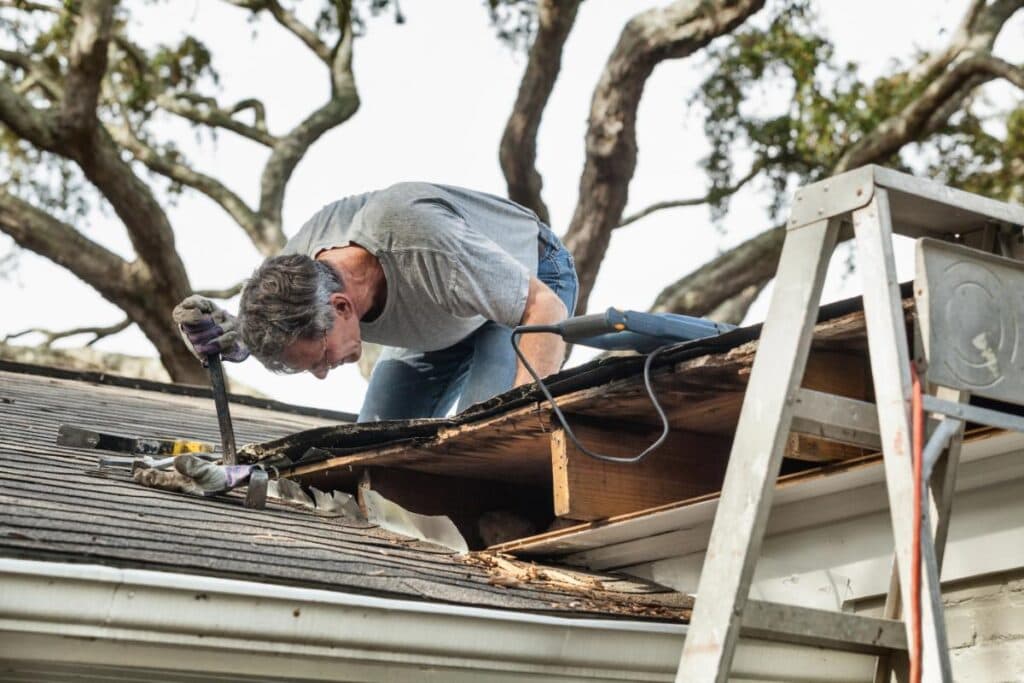
1. Damaged Flashing Around Roof Openings
Most homeowners know to look for missing shingles after a storm. The areas where the roof meets a chimney, vent pipe, skylight, or adjoining wall may receive less attention.
These joints need flashing to direct rainwater away from vulnerable openings. When flashing becomes loose, corroded, or damaged, water may find its way beneath the roofing materials even if the surrounding shingles appear intact.
Watch for Signs Inside the House
A stain near a chimney or on an upstairs ceiling can indicate a problem with the roof, although the exact source may be some distance from the visible mark. Damp attic insulation, peeling paint, and recurring stains after rain are also worth investigating.
Avoid assuming that a small ceiling stain is only cosmetic. Covering it with paint will not address the source of the moisture.
If you suspect a problem around a roof joint, arrange for a qualified roofer to inspect it. Professional roof flashing repair may involve correcting a damaged section, replacing deteriorated material, or addressing an installation problem. The right approach depends on the roof and the condition of the surrounding area.
Do not climb onto a wet or steep roof to investigate it yourself. You can document visible signs from the ground and inside the house, then let the roofing professional examine the difficult-to-reach areas.
For a closer look at other vulnerable roof areas, see Glue Sticks and Gumdrops’ guide to common sources of roof leaks.
2. Gutters That Drain Water Toward the House
Gutters are easy to forget until rain starts pouring over their edges. Leaves, twigs, and other debris can block the flow of water, while a loose downspout may release it directly beside the foundation.
The result is not always an obvious roof leak. Water may collect around exterior walls, enter a basement, or contribute to dampness in a crawl space.
Check Where the Water Goes
During a safe observation from the ground, look for overflowing gutters, sagging sections, and downspouts that discharge too close to the house.
After heavy rain, check whether water is pooling beside the foundation or leaving muddy areas that take a long time to dry.
Arrange for gutters to be cleaned and repaired as needed. Make sure downspouts direct water to a suitable drainage point away from the foundation, without creating problems for neighboring properties.
The EPA’s moisture prevention guidance also recommends maintaining gutters and keeping the ground graded so water moves away from the building.
3. Small Leaks Hidden Beneath Sinks
A slow leak under a kitchen or bathroom sink may go unnoticed for weeks. Cleaning products, spare toiletries, and storage baskets can hide damp patches until the cabinet base begins to swell.
Because the water often collects in an enclosed space, it may also produce a musty smell before anyone sees a puddle.
Make the Cabinet Easy to Inspect
Take everything out from beneath each sink occasionally and look at the cabinet floor, supply connections, and drainpipe.
Check for moisture, discoloration, rust, or a soft area in the cabinet base. If you find a leak, stop using the fixture or shut off its water supply when appropriate, then arrange the necessary repair.
Do not rely on a towel or tray as a permanent solution. They may contain some dripping water, but they can also make an ongoing problem easier to ignore.
For a household with young children, keep cleaning products safely stored while you inspect the cabinet and return them to a secure location afterward.
4. Worn Seals Around Showers and Bathtubs
A bathroom can look clean while water is getting through a damaged seal.
Caulk around a bathtub or shower may crack, peel, or pull away from the surface over time. Grout can also deteriorate. If water reaches the materials behind the visible finish, damage may spread beyond the immediate bathing area.
Look Beyond the Surface
Inspect the joints around the tub, shower tray, fixtures, and adjoining walls. Pay attention to persistent dampness, loose tiles, swollen trim, and peeling paint in nearby rooms.
If the seal has failed, identify and address any existing moisture problem before replacing it. Applying fresh caulk over a damp or damaged area may conceal a problem without solving it.
Not every tiled surface relies on grout or caulk alone for waterproofing. If there are signs that water has reached the wall or floor assembly, ask a qualified professional to assess the underlying waterproofing rather than treating the issue as a simple cosmetic repair.
Good bathroom ventilation also helps manage everyday moisture, although it cannot compensate for an active leak.
5. Aging Appliance Hoses and Connections
Washing machines, dishwashers, refrigerators with water dispensers, and water heaters all have connections that can develop leaks.
The problem may begin as a small drip behind an appliance where nobody regularly looks. A more serious failure can release a substantial amount of water while the family is away from home.
Inspect the Spaces You Rarely See
Check accessible connections for dampness, corrosion, bulging hoses, and signs of water on the floor. Follow the appliance manufacturer’s guidance on inspection and replacement.
If a washing machine hose shows damage, arrange for it to be replaced before it fails. Make sure the machine is not pushed so tightly against the wall that its hoses are kinked or strained.
For water heaters, look for moisture around accessible connections and the base of the unit. A leaking tank or an unfamiliar discharge from a safety valve should be assessed by a qualified professional.
The EPA’s WaterSense home maintenance guidance recommends checking household fixtures and systems for leaks and addressing problems promptly.
6. Air Conditioner Drain Lines That Stop Working
Air conditioning systems remove moisture from indoor air. That water needs a clear route out of the system.
If a condensate drain becomes blocked or a drain pan develops a problem, water can overflow into the surrounding area. In some homes, an air handler sits above a finished ceiling or near stored belongings, making the resulting damage particularly inconvenient.
Include Drainage in Seasonal Servicing
Ask your HVAC technician to check the condensate drain, pan, and any installed overflow protection during routine maintenance.
If you notice water around the indoor unit, a damp ceiling below it, or an unexpected shutdown, do not ignore the warning. Turn the system off if appropriate and arrange for the cause to be identified.
Avoid pouring unfamiliar cleaning products into the drain or dismantling components without checking the manufacturer’s instructions. Different systems have different maintenance requirements.
Keeping the system’s drainage working properly is a small part of home maintenance that can protect much more than the equipment itself.
7. Poor Drainage Around the Foundation
The ground around a house can change over time. Soil may settle, landscaping may be altered, or a new patio may redirect rainwater toward an exterior wall.
These changes can create moisture problems even when the roof, gutters, and plumbing are in good condition.
Walk Around the House After Rain
Look for puddles near the foundation, damp basement walls, and areas where runoff flows toward the building.
Pay attention to garden beds or paved surfaces that have been raised against the exterior wall. They may affect drainage or place moisture against materials that were not intended for prolonged exposure.
Some issues can be addressed through routine landscaping and drainage maintenance. Persistent seepage, foundation movement, or significant standing water deserves professional assessment before you invest in a cosmetic fix.
A regular home maintenance routine makes these less obvious problems easier to catch. Glue Sticks and Gumdrops has a broader family home maintenance checklist that can help you organize inspections and seasonal tasks.
What to Do When You Find Water Damage
Even with regular maintenance, a leak can happen. The first priority is to stop the water source when it is safe to do so.
Move unaffected belongings away from the wet area and document visible damage. If water is near electrical equipment or outlets, do not enter the affected area or operate electrical controls until it is safe.
Drying also matters. The EPA advises drying water-damaged areas and belongings within 24–48 hours when possible to reduce the likelihood of mold growth. Materials that remain wet behind walls or beneath flooring may need professional assessment.
If the water is contaminated, the affected area is extensive, or you cannot identify the source, bring in an appropriate professional rather than attempting a household cleanup.

Small Checks Can Prevent Bigger Repairs
Protecting a home from water damage is not about inspecting every corner every day. It is about paying attention to the places where moisture can enter or collect without being noticed.
Check the roof and drainage systems, look beneath sinks, inspect bathroom seals, and include appliance connections and HVAC drainage in your maintenance routine. If you find a problem, address the cause rather than covering up the visible signs.
A few well-timed checks can help keep your home comfortable, protect your belongings, and reduce the chance that a small maintenance issue becomes an expensive renovation.