
A beautiful backyard should be a place where your family can relax, not another source of weekend chores. Yet it is easy to create an outdoor space that looks wonderful at first and becomes difficult to maintain once the plants grow, the furniture weathers, and the lawn needs regular attention.
The solution is not to remove everything that makes a yard inviting. It is to choose features that suit your property, your family’s routines, and the amount of time you can realistically spend on upkeep.
A little planning can make outdoor maintenance simpler for years to come. From choosing the right plants to making lawn care more manageable, these seven ideas can help you create a backyard that feels like a retreat without demanding constant work.
1. Design the Backyard Around How Your Family Uses It
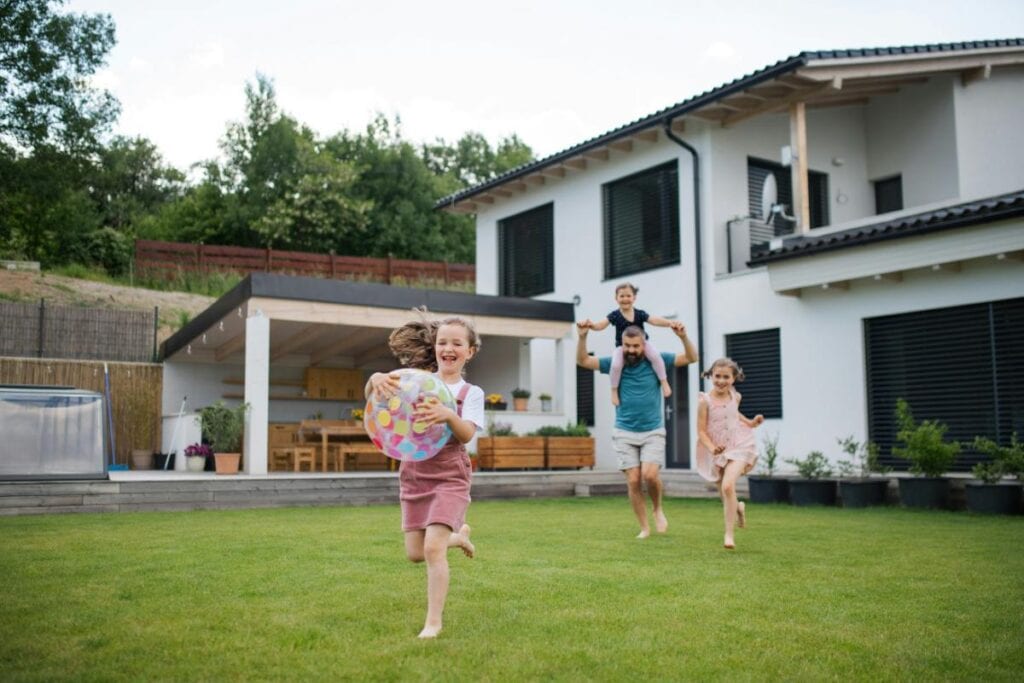
A backyard is easier to maintain when every area has a purpose. Before buying furniture or adding garden beds, consider how your family spends time outside.
Do the kids need room to run? Would you use a shaded spot for morning coffee? Is outdoor dining something you enjoy every week, or only a few times each summer?
Your answers can help you avoid investing in features that look appealing but rarely get used.
Create a Few Practical Activity Zones
Rather than filling the yard with separate features, establish a small number of useful areas. You might have an open lawn for play, a patio for meals, and a planting bed that adds color without taking over the space.
Keep paths between these areas clear. A layout that requires walking around furniture or stepping through garden beds will become frustrating during both everyday use and maintenance.
If your family enjoys spending time outside together, leave room for activities that do not require permanent equipment. The blog’s collection of DIY backyard games offers ideas that can turn an open patch of lawn into a place for family fun.
Avoid Designing for Occasional Events
A large entertaining area may sound appealing, but it can take up valuable space if you host gatherings only a few times a year.
Choose a layout that works for ordinary afternoons first. Extra chairs and folding tables can come out when guests visit, then be stored away without leaving the yard crowded.
2. Choose Plants That Suit Your Climate and Available Time
Plants bring color, texture, and a sense of calm to an outdoor space. They can also create a surprising amount of work when their needs do not match the conditions in your yard.
A plant that requires frequent watering, pruning, or protection from local weather may become difficult to manage, even if it looks perfect at the garden center.
Match Plants to the Site
Pay attention to how much sunlight different parts of the yard receive. A sunny border, a shaded corner, and a spot beneath a large tree may need very different plants.
Consider soil drainage and the mature size of each plant as well. A shrub that looks small when purchased may eventually block a path or crowd nearby plants.
Locally adapted plants are often worth exploring because they are suited to regional conditions. Your local university extension service can help identify appropriate options, including plants that support pollinators.
Favor Established Beds Over Constant Replanting
Annual flowers can be lovely, but replacing large displays every season adds work and expense. A mix of suitable perennials, shrubs, and a few seasonal accents can provide interest without requiring the entire garden to be replanted.
Group plants with similar watering needs together. This makes irrigation simpler and helps prevent one area from receiving too much water while another remains dry.
3. Make Lawn Care Easier to Keep Up With
A healthy lawn provides space for children to play, pets to exercise, and the family to enjoy the outdoors. It also needs regular attention, particularly during the growing season.
If you want to keep a lawn, design it so mowing and routine care are manageable rather than unnecessarily complicated.
Simplify the Shape of the Grass
Small strips of grass between garden beds, narrow corners, and tight curves can be awkward to mow. They often require extra trimming after the main lawn is finished.
Where possible, keep grass in larger, accessible areas. Use planting beds or suitable groundcovers in spaces that are difficult to reach with your mower.
Flat edging between the lawn and garden beds can also reduce the need for detailed trimming.
Make Mowing More Comfortable
The equipment you use matters, especially if your property has a large lawn that takes time to maintain.
For homeowners who use a compatible riding mower, a lawn mower canopy can provide overhead shade while mowing in sunny conditions. It does not replace sunscreen, hydration, or breaks from the heat, but it may make routine lawn care more comfortable.
Check that any accessory is designed for your mower model and follow the manufacturer’s installation and safety instructions. A canopy should never interfere with visibility, controls, or safe operation.
Mowing practices matter, too. The University of Minnesota Extension’s lawn mowing guidance explains why maintaining an appropriate grass height, using sharp blades, and leaving suitable clippings on the lawn can support healthier turf.
4. Use Mulch and Groundcovers to Reduce Weeding
Bare soil between plants may look neat immediately after planting, but it leaves room for weeds to establish themselves. It can also dry out quickly during warm weather.
Covering that soil is one of the simplest ways to make garden beds easier to manage.
Apply Mulch Where It Will Help
Organic mulch, such as shredded bark or wood chips, can help retain soil moisture and reduce weed growth. It also gives planting beds a more finished appearance.
Apply it at an appropriate depth and keep it away from tree trunks and the bases of shrubs. Piling mulch against stems can trap moisture where it does not belong.
The University of Maryland Extension’s mulching guidance explains how mulch can protect plants and reduce maintenance when used correctly.
Mulch will need occasional replenishment as it breaks down, but that is generally more manageable than repeatedly clearing large areas of exposed soil.
Consider Groundcovers for Difficult Areas
Low-growing plants can be useful on slopes, beneath suitable trees, or in spaces that are too awkward to mow.
Choose species that suit the light and soil conditions, and check how they spread before planting. A fast-growing groundcover may reduce bare soil but create another maintenance problem if it moves into areas where you do not want it.
Leave clear paths through places that receive regular foot traffic rather than expecting delicate plants to withstand constant use.
5. Choose Outdoor Materials That Are Easy to Care For
Patios, paths, and seating areas should make the backyard more enjoyable. However, some materials require regular sealing, staining, or repairs to stay in good condition.
The least expensive option at installation is not always the easiest one to live with.
Think About Upkeep Before Appearance
When comparing patio and pathway materials, ask how they respond to your local weather, how easily they can be cleaned, and what maintenance they will need over time.
A surface that becomes slippery when wet or collects debris in hard-to-reach gaps may create more work than expected.
The same applies to outdoor furniture. Look for materials suited to the conditions where they will be used, and check whether cushions or other components need to be stored during rain or winter.
Make Cleaning and Access Simple
Leave enough room around seating and planting beds to sweep, hose down surfaces where appropriate, and move equipment safely.
Avoid placing heavy furniture where it blocks drains or makes it difficult to maintain the area beneath it.
A backyard does not need expensive finishes to feel welcoming. Comfortable seating, a practical surface, and a layout that is easy to clean can be more useful than an elaborate design that demands constant attention.
6. Build Shade Into the Design
A backyard oasis should be comfortable enough to use during the times your family is actually home. If the only seating area receives strong afternoon sun, it may sit empty for much of the summer.
Shade can make outdoor dining, reading, and play more pleasant, but it should be planned around the yard’s existing conditions.
Watch Where the Sun Falls
Spend a few days observing which parts of the yard receive direct sunlight in the morning and afternoon.
A patio that feels comfortable at breakfast may be too hot by lunchtime. Positioning seating beneath an existing tree, adding a suitable umbrella, or installing a shade structure may help.
Consider how any permanent structure will affect nearby plants, drainage, and access for maintenance.
Keep Shade Features Practical
Choose umbrellas, awnings, or other shade solutions that suit local wind and weather conditions. Follow installation instructions and secure or retract equipment when conditions require it.
For family areas, arrange seating so adults can comfortably supervise younger children without constantly moving between sun and shade.
A well-placed shaded area may encourage the family to use the backyard more often without adding much to the regular maintenance routine.
7. Give Outdoor Belongings a Place to Go
Even a thoughtfully designed backyard can feel cluttered when toys, gardening supplies, cushions, and sports equipment are left scattered around.
Convenient storage helps the yard stay ready for use without requiring a major cleanup every time someone wants to sit outside.
Store Things Close to Where They Are Used
Keep children’s outdoor toys near the play area, gardening tools near the garden, and dining supplies close to the patio when suitable storage is available.
A weather-resistant storage bench may hold cushions while providing extra seating. A shed or garage can accommodate larger equipment that should not remain outdoors. If you use a shed, a few simple storage shed organization ideas can help you keep tools and seasonal supplies easy to find.
Choose storage that is easy to open and accessible to the people using it. Children are more likely to put away their toys when the storage spot is nearby and simple to use.
Create a Small Seasonal Routine
Low-maintenance does not mean maintenance-free. A short routine can prevent small tasks from turning into a full weekend of work.
At the start of each season, check furniture, clear drains, inspect paths, and remove damaged or unused items. Put away equipment that will not be needed for several months.
Keeping these jobs manageable makes it easier to enjoy the space instead of spending every free afternoon catching up on it.
Create a Backyard You Have Time to Enjoy
A relaxing backyard is not necessarily the one with the most features. It is the one that fits your family’s habits and remains comfortable without requiring more work than you can realistically manage.
Practical activity zones, suitable plants, simpler lawn care, and well-planned storage can reduce everyday upkeep. Durable materials and thoughtful shade make the space more inviting, while mulch and groundcovers help keep planting areas manageable.
Start with the parts of your yard that take the most time or prevent your family from using it comfortably. Improving those areas first can help you create an outdoor space that stays enjoyable long after the initial makeover is finished.