
Children learn many of their everyday habits by watching the adults around them. When parents make physical activity a regular and enjoyable part of their lives, kids are more likely to see fitness as a normal part of growing up rather than something they have to force themselves to do.
Being a positive fitness role model does not mean spending hours at the gym or following an intense workout program. Simple, consistent choices can help children develop a positive relationship with movement and healthy living. Here are seven ways parents can lead by example.
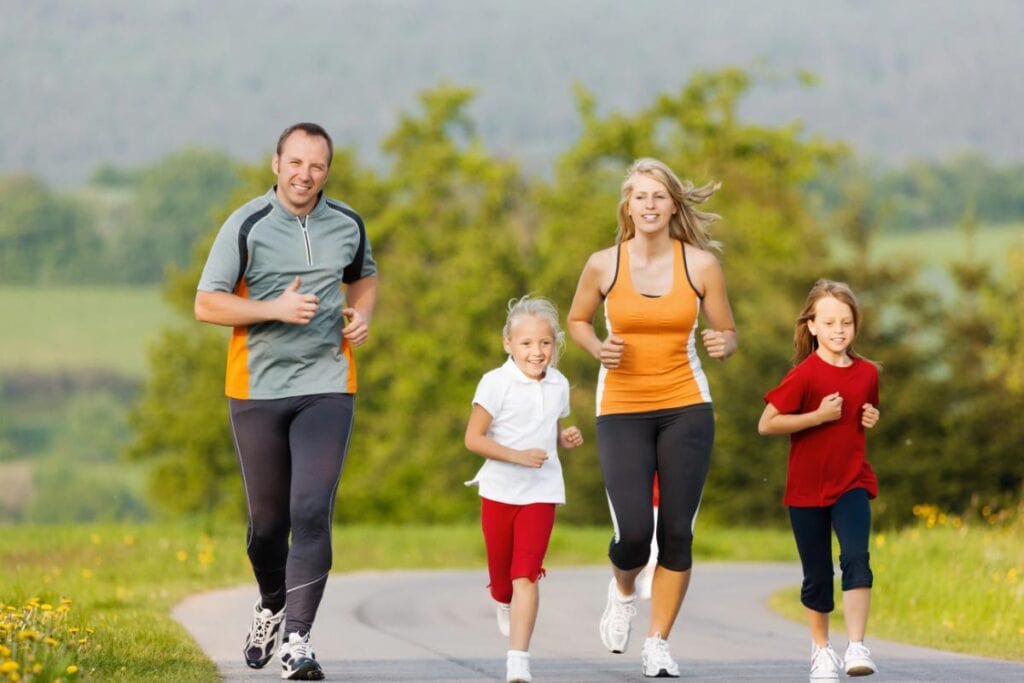
1. Make Movement Part of Your Everyday Routine
One of the easiest ways to encourage children to stay active is to make exercise a natural part of the family routine. Parents can schedule regular walks, bike rides, outdoor games, or short home workouts instead of treating physical activity as an occasional event.
For families who prefer exercising at home, having accessible equipment can make it easier to stay consistent. For example, Manual Treadmills — Fitness Experience can provide a convenient option for parents who want to incorporate walking or running into their home fitness routine.
The goal is not necessarily to exercise for long periods. Establishing a routine where movement happens regularly can help children understand that staying active is simply part of a healthy lifestyle.
2. Let Your Kids See You Enjoy Being Active
Children can quickly pick up on how parents feel about exercise. If fitness is always described as a chore, kids may develop the same attitude. Instead, try to demonstrate that being active can be enjoyable, energizing, and rewarding.
Choose activities you genuinely like. Whether that means walking around the neighbourhood, playing recreational sports, gardening, or following a home workout, your enthusiasm can make a difference.
When children see parents enjoying physical activity without focusing solely on appearance or weight, they can develop a healthier perspective on what fitness is really about.
3. Find Activities You Can Enjoy Together
Family fitness does not have to look like a traditional workout. Parents and children can stay active while spending meaningful time together.
Consider going for weekend hikes, playing basketball, swimming, riding bikes, or simply taking a walk after dinner. Younger children may enjoy active games in the backyard, while older kids may prefer sports or recreational activities.
The important thing is to find activities that suit everyone’s interests and abilities. Making movement a shared experience can also help strengthen family connections while encouraging children to remain physically active.
4. Show That Healthy Living Goes Beyond Exercise
Fitness is only one part of a healthy lifestyle. Parents can also demonstrate the importance of getting enough sleep, drinking water, eating balanced meals, and allowing the body time to recover.
Children can learn a lot from seeing parents make thoughtful choices throughout the day. For example, preparing nutritious meals together or maintaining a consistent bedtime routine can reinforce the idea that overall wellness involves several interconnected habits.
Rather than creating pressure around food or body image, parents can focus on helping children understand how healthy choices support energy, growth, and everyday activities.
5. Set Small Goals and Celebrate Progress
Fitness goals do not have to be complicated. Families can set simple objectives, such as taking more walks each week, learning a new sport, or spending additional time outdoors.
Parents should emphasize effort and consistency instead of focusing exclusively on results. Celebrating progress can help children develop confidence and recognize the value of persistence.
For example, learning to ride a bike, completing a longer hike, or mastering a new physical skill can all be meaningful accomplishments. These experiences teach children that improvement often comes through patience and practice.
6. Turn Screen Breaks Into Opportunities to Move
Screens are a normal part of modern family life, but parents can demonstrate the importance of balancing sedentary activities with movement.
Instead of expecting children to stop using devices completely, consider introducing short activity breaks throughout the day. A quick walk, stretching session, outdoor game, or family dance break can provide an opportunity to get moving.
Parents can participate in these breaks as well. When children see adults putting their devices down and making time for physical activity, they receive a practical example of how to maintain balance.
7. Keep Fitness Positive and Enjoyable
Perhaps the most important lesson parents can model is that fitness should support a person’s overall well-being rather than become a source of pressure.
Avoid presenting exercise as punishment or making conversations about fitness overly focused on body size or appearance. Instead, talk about how physical activity can help people feel stronger, more energetic, capable, and confident.
Parents can also give children opportunities to discover activities they enjoy. One child may love swimming, another may prefer cycling, and another may enjoy team sports. Allowing children to explore different options can help them find forms of movement they will want to continue as they grow.
Building Healthy Habits That Last
Parents have an important opportunity to influence how children view physical activity. By making exercise part of everyday life, enjoying movement together, setting realistic goals, and maintaining a positive attitude toward wellness, parents can provide an example that children can carry into adulthood.
The goal is not to create a perfect fitness routine. It is to show children that taking care of their bodies can be a normal, enjoyable, and sustainable part of life. Small actions repeated consistently can become healthy habits that benefit the entire family.