

You can usually tell which parts of your home aren’t working before you know what to do about them. Everyone squeezes past the dishwasher during dinner prep. Backpacks land on the kitchen counter because there’s nowhere else to put them. The bathroom has plenty of room for decorative baskets but nowhere for four people’s everyday things.
Those frustrations are useful information. Before choosing cabinets or saving another inspiration photo, start with what your family needs the house to do. A renovation becomes easier to plan when every change has a purpose beyond looking good.
Start With the Problems You Notice Every Day
For a week, pay attention to the moments when your home makes a normal task harder. Where does clutter collect? Which doors get in the way? Where do people end up waiting for someone else to finish?
Write down the problem without jumping straight to a solution. “We need a bigger kitchen” might really mean you need more prep space, a better place for lunch supplies, or a layout that lets one person reach the refrigerator while another cooks. Those are different problems, and they don’t necessarily require the same renovation. Ask the rest of the household, too. Someone who handles laundry may notice things the person cooking dinner never sees. Kids can point out storage they can’t reach or a homework spot that’s too noisy to use. You don’t have to accommodate every request, but you’ll get a clearer picture of how the space functions.
Separate a Storage Problem From a Space Problem
A crowded room doesn’t always need more square footage. Sometimes the available space is poorly organized or filled with rarely used items. Before committing to construction, try a few ways to reorganize when you need more space. Move occasional-use appliances out of prime kitchen storage. Put school supplies near the place homework actually happens. Give shoes and bags a landing spot near the entrance your family uses. If those changes help, you may be able to narrow the scope of the renovation. If the room still feels awkward after you’ve cleared unnecessary clutter, you’ll have better evidence that the layout needs attention.
Plan Around Busy Moments
An empty kitchen can look spacious while being nearly impossible to use at 6 p.m. Think about the room when everyone is home, and several things are happening at once. In the kitchen, consider open appliance doors, unloading groceries, packing lunch, and the route between the sink, stove, and refrigerator. An island should leave enough room for people to move around it comfortably. A larger island isn’t an improvement if it becomes another obstacle.
Shared bathrooms deserve the same attention. Accessible storage, a place to hang towels, and easy-to-clean surfaces may matter more than adding a second sink. In living spaces, consider whether your family needs quiet areas as well as places to gather. An open layout can feel welcoming, but it can also be noisy. Reviewing common kitchen renovation planning mistakes before approving a layout can help you catch problems that are harder to fix once cabinets and appliances arrive.
Decide What Belongs in This Project
Once you know what needs to change, divide your ideas into essentials, useful extras, and things that can wait. Fixing a recurring leak belongs in a different category from replacing a backsplash you no longer like.
Write a short description of the project. For example: improve kitchen circulation, add everyday storage, and replace damaged flooring, all while keeping the plumbing in its current location. That gives you something concrete to discuss with contractors and makes it easier to compare estimates.
Without a defined scope, one decision can lead to several more. Replacing cabinets becomes moving appliances, which becomes relocating plumbing and changing electrical work. Some of those changes may be worthwhile, but they should be deliberate rather than surprises that accumulate over the course of the job.
Know When You Need Professional Help
Painting, changing cabinet hardware, and installing freestanding storage may be manageable weekend projects. Altering walls, relocating plumbing, or changing electrical systems calls for a different level of planning and expertise. When comparing home remodeling services, bring your list of household problems along with your inspiration photos. Ask what the proposed work includes, whether permits are needed, who handles them, and how unexpected conditions will be addressed.
Compare written scopes rather than prices alone. An estimate that excludes demolition, disposal, or finish work can appear cheaper until those costs are added. Check licensing requirements in your area, insurance, relevant experience, and references before agreeing to the work.
Budget for Living Through the Renovation
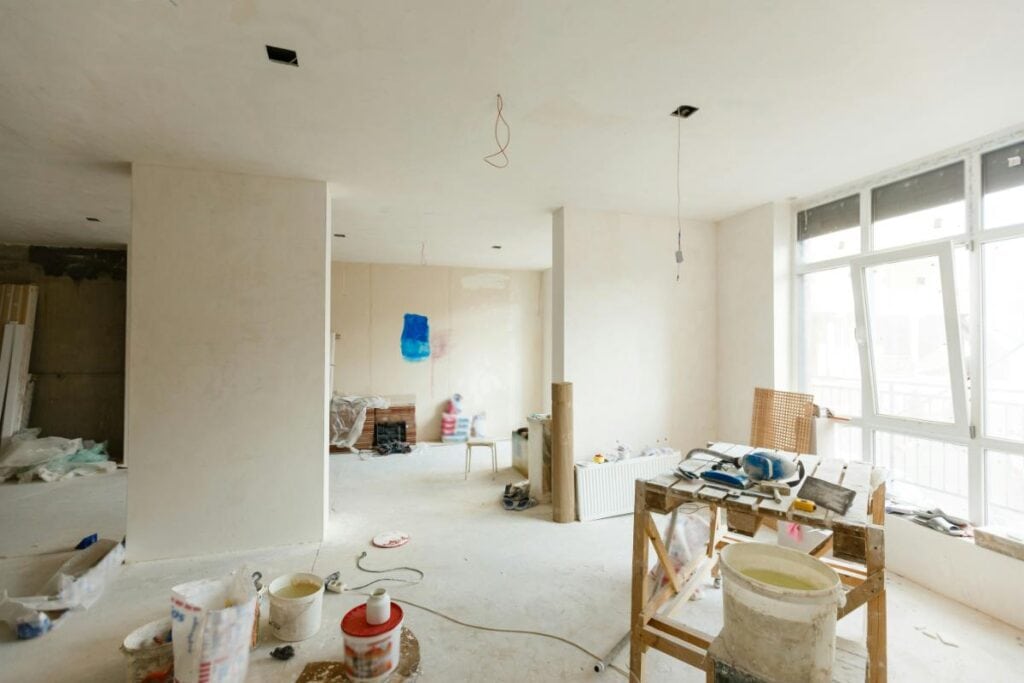
The project budget should account for more than construction. You may need temporary cooking equipment, storage for furniture, extra cleaning, or somewhere else to stay during part of the work. Talk through the daily arrangements before demolition begins. Where will you prepare meals? Which bathroom will remain available? How will children and pets be kept away from tools, dust, and open work areas?
Keep room in the budget for unexpected work, especially in an older home. Ask the contractor how changes will be priced and approved. A written change order helps everyone understand what is being added and how it affects the schedule.
Choose Improvements You’ll Appreciate on an Ordinary Tuesday
It’s easy to picture a finished room with clear counters and perfect lighting. Try picturing it with breakfast dishes, school bags, and someone searching for a missing shoe instead. Will the storage still be accessible? Can the surfaces handle regular cleaning? Does the layout make everyday tasks easier? Those questions help you choose finishes and features that fit your household.
A successful renovation doesn’t have to change every room or solve every problem at once. Start with the frustrations that affect your family most often, define the work clearly, and make decisions around how you actually live. The finished space should feel easier to use long after the excitement of the reveal has worn off.