
A small animal can seem like a manageable first pet. It needs less room than a dog, doesn’t require walks around the neighborhood, and looks adorable sitting in a child’s hands. But a small body doesn’t automatically mean simple care.
Rabbits, guinea pigs, and hamsters have different needs, personalities, and daily schedules. Before choosing one, consider whether your household can provide the right environment and whether an adult is ready to take responsibility when a child’s enthusiasm inevitably has an off day.
Choose for Your Household, Not Just Your Child’s Favorite
Start with the experience your child is hoping for. Do they want an animal to watch and learn about, or are they expecting something that will happily sit in their lap?
That distinction matters. Some small pets enjoy calm interaction, while others prefer exploring with minimal handling. Even within the same species, individual animals differ. A pet that hides or avoids being picked up isn’t being unfriendly. It may simply be behaving normally or needing more time to feel comfortable.
Think about your household’s schedule, noise level, and available space. A rescue organization can help explain an animal’s habits and care needs before you commit. Meeting adult animals can also give your family a more realistic picture than looking at babies alone.
Understand the Differences Between Small Pets
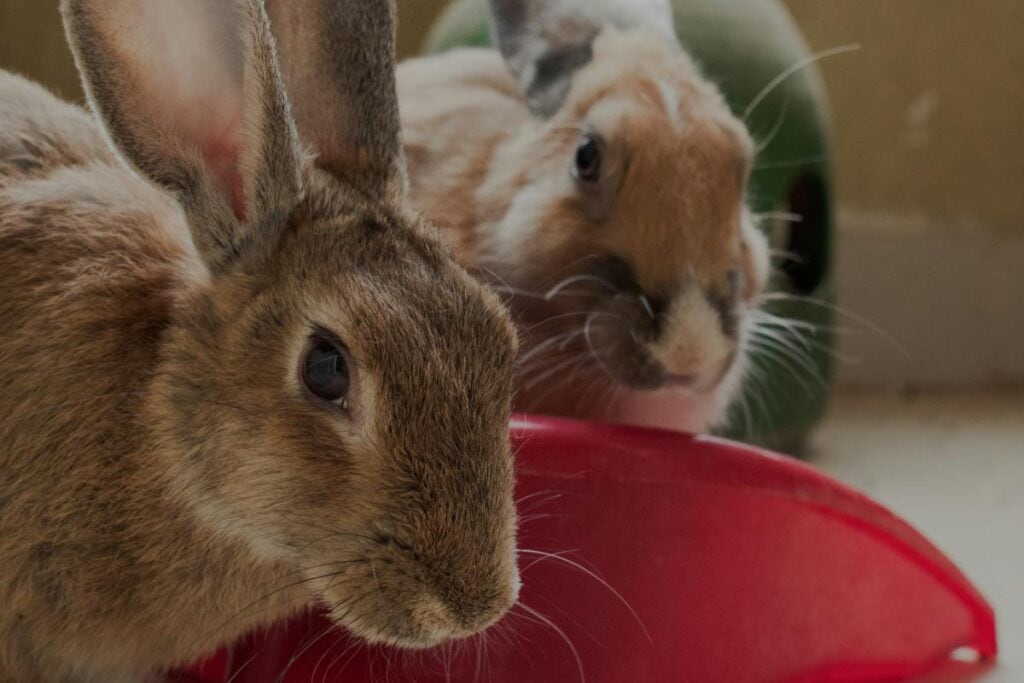
Rabbits need substantial space to move, exercise, and explore. They are social animals that generally benefit from a compatible rabbit companion, with introductions and neutering plans handled appropriately. Many prefer interaction at floor level rather than being carried around. They also need rabbit-proofed surroundings because chewing is normal behavior.
Guinea pigs need compatible guinea pig companionship, room to move, hiding places, and a species-appropriate diet that provides vitamin C. Their sounds and routines can make them engaging animals to observe, but handling should still be gentle and supervised. A rabbit is not a suitable substitute for another guinea pig.
Hamsters have their own housing and companionship requirements. Syrian hamsters must live alone, and families should seek species-specific guidance before considering housing them together. They are often active in the evening and at night, which can be disappointing for a young child who wants to play after breakfast. Waking a sleeping hamster for interaction is stressful for the animal. The RSPCA’s guidance on choosing a family pet is a useful starting point for understanding why each species needs a different setup.
Plan the Space Before Buying the Animal
Choose the enclosure and its location before bringing a pet home. Don’t assume the smallest cage sold alongside an animal provides everything it needs. Consider usable floor space, ventilation, safe bedding, hiding areas, and opportunities for normal movement. Hamsters need suitable digging material and an appropriately sized solid-surface wheel. Rabbits need room for exercise beyond a small hutch. Guinea pigs need enough space for companions to move around without constantly crowding each other.
The location matters, too. Avoid placing an enclosure where a television blares, sunlight overheats it, or a dog can stare into it all day. Children should be able to observe the pet without reaching into its sleeping area whenever they feel like it.
Make Enrichment Part of Daily Care
Food and a clean enclosure are only part of the job. Small animals also need opportunities to investigate, forage, hide, and use their bodies in ways that suit their species. For rabbits, that may include tunnels, safe digging areas, and rabbit-appropriate toys and chews. Guinea pigs can benefit from tunnels and foraging opportunities, while hamsters need an environment that supports digging and exploring. Check the materials, construction, and suitability for the specific animal rather than assuming that every small-pet toy works for every species.
Children can help rotate suitable enrichment or prepare a simple activity under supervision. Keep portions within the animal’s normal feeding plan, and inspect items for damage. Something handmade needs the same care as something bought from a shop.
Give Kids Jobs Adults Can Verify
Pet care can give children meaningful ways to contribute, but the animal’s welfare cannot depend on whether a child remembers a chore. A younger child might help gather supplies or mark completed tasks. An older child may be able to replenish approved food, assist with cleaning, or record observations under adult supervision. Assign tasks based on the child’s actual ability rather than age alone.
A simple chore chart can make those jobs visible. Include an adult check to confirm that water is available, food is correct, and cleaning has been done properly. Adults should manage health decisions, veterinary appointments, diet changes, and anything the child cannot safely handle.
Teach Gentle Interaction Before Handling
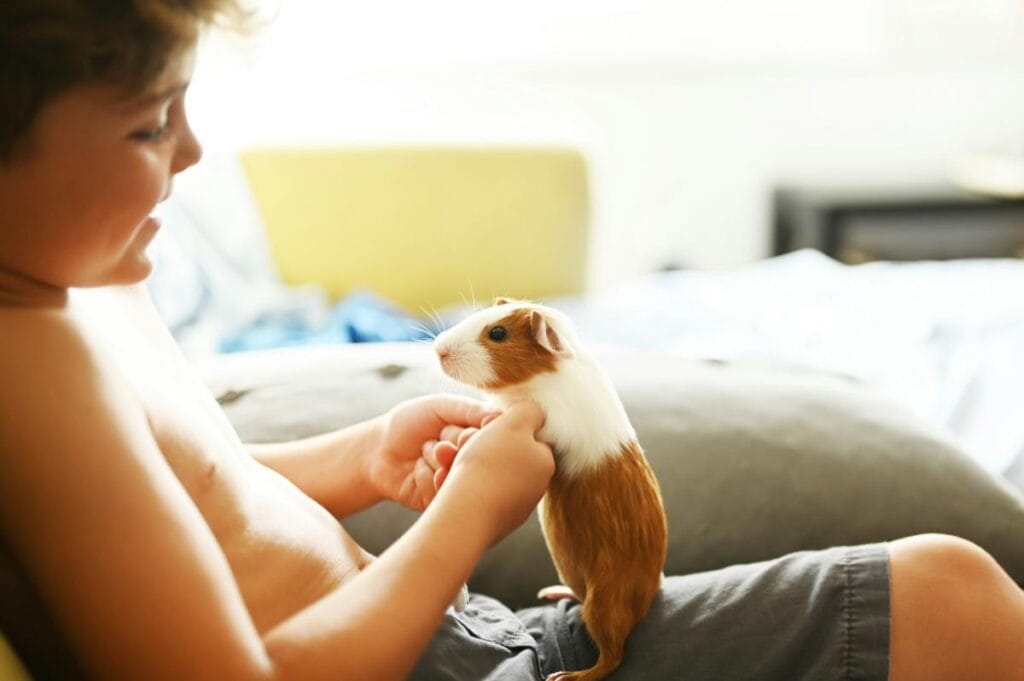
The first lesson is how to let an animal approach without chasing it. Sitting quietly near the enclosure or in a secure interaction area can be more effective than repeatedly trying to pick up the pet. Show children how to recognize avoidance. Hiding, moving away, freezing, or struggling are reasons to stop and give the animal space. Interaction should end before the pet becomes frightened.
When handling is appropriate, an adult should demonstrate how to support the animal securely and supervise closely. Keep interactions low to the ground to reduce the risk of falls. Wash hands afterward, and keep pet supplies away from food preparation areas.
Include Veterinary Care and Travel in the Plan
The purchase or adoption fee is only the beginning. Budget for housing, bedding, food, enrichment, and veterinary care, including unexpected visits. Find a veterinarian who treats the species before you need one urgently. Ask what routine care is recommended and which changes require prompt attention. Reduced eating, unusual droppings, or a sudden change in behavior should not be left for a child to interpret.
Also decide who will provide care during holidays or busy weekends. A pet sitter checklist can help organize instructions, but include species-specific feeding amounts, cleaning steps, and veterinary contacts. “Feed the pet” is not enough information for someone unfamiliar with the animal.
Make It a Family Commitment
A small pet can give children a chance to learn patience, observation, and gentle care. Those lessons work best when adults model them consistently. Before bringing an animal home, ask whether you would still be willing to care for it if your child lost interest. If the answer is yes, you can build a routine that allows the child to participate without leaving the pet vulnerable to missed tasks. Choose an animal whose needs fit your household, prepare its environment, and give the relationship time to develop.