
As a parent, you know the struggle: hot summer days at the park, endless travel delays, intense youth sports tournaments, or that dreaded week when a stomach bug hits the house. In the chaos of these moments, getting your kids to drink enough fluids can feel like a full-time job. While plain water should usually be your family’s first choice for daily hydration, electrolyte drinks can be a helpful tool in certain high-drain situations. This guide explores the science of childhood hydration, comparing parent-friendly electrolyte brands and explaining exactly what families should look for on the ingredient label. Let’s dive in.
When Might Kids Need Electrolyte Drinks?
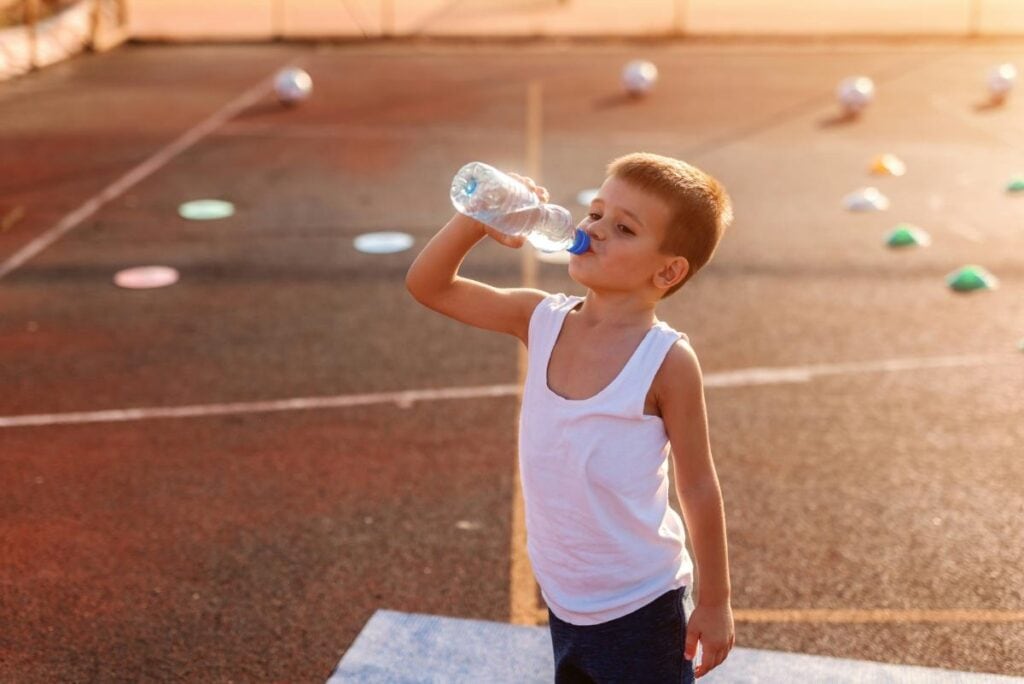
Children can be more vulnerable to dehydration and heat-related illness, especially in hot weather, because they do not always regulate body temperature as efficiently as adults and may not recognize thirst early. When normal routines are disrupted—like during intense outdoor play, long travel days, or youth sports lasting over 90 minutes—kids lose crucial fluids and minerals. This fluid loss accelerates during illnesses that involve fever, vomiting, or diarrhea. In these specific scenarios, introducing specialized fluids can help restore balance. However, if you are ever worried about your child’s hydration level, especially with infants, toddlers, or if symptoms are ongoing, you should always contact a pediatrician immediately.
When Is Water Enough?
Electrolyte beverages are not necessary for everyday childhood hydration. For regular school days, short play sessions, or a standard 45-minute soccer practice, plain water is completely sufficient. The average child’s daily diet already provides plenty of the sodium and potassium needed to support normal activity levels. A simple rule of thumb for baseline hydration: Fluid needs vary by age, size, diet, activity level, and weather. For everyday hydration, parents can focus on offering water regularly and watching for signs such as pale urine, normal energy, and regular wet diapers or bathroom trips. By pairing consistent water intake with balanced meals, your child gets everything they need. Treating specialized sports drinks as daily beverages adds unnecessary calories and sugars to their routine.
What Parents Should Look for in Kids’ Electrolyte Drinks
When water isn’t enough, choosing the right supplement requires reading the fine print, as not every electrolyte product is designed for young children.
Here is what to prioritize:
- Lower sugar content: Seek options below the 25-gram daily added sugar limit. Some sugar aids absorption during illness, but avoid sugar-loaded sports drinks.
- No caffeine or stimulants: The medical community advises against any energy drinks or caffeine for children under 12.
- Clear ingredient labels: Always read labels carefully to ensure the formulation safely fits your family’s needs.
- Kid-appropriate serving sizes: Look for small serving sizes tailored to young bodies rather than adult athletes.
- Essential minerals: During illness, heavy sweating, or prolonged activity, sodium, potassium, and chloride can help replace minerals lost through fluid loss.
- No unnecessary artificial dyes: Skip products with synthetic coloring (like Red 40), which some parents prefer to avoid synthetic dyes, especially if their child seems sensitive to certain colors or additives.
- Flavor kids will actually drink: Keep an eye out for taste profiles your child will tolerate when they are unwell.
- Easy formats: Seek out easy-to-use forms like ready-to-drink bottles, powder packets, or hydration drops.
Parent-Friendly Electrolyte Brands to Consider
When your child needs more than plain water, several brands offer convenient solutions.
Buoy
Buoy offers unsweetened, unflavored electrolyte drops that can be added to water or other drinks your child already accepts. This may appeal to parents comparing the best electrolytes with no sweeteners because it helps them avoid strong flavors, added sugar, artificial sweeteners, or brightly colored drinks. For parents comparing the best electrolytes for toddlers, Buoy may be worth considering as a simple drop format, but parents should still follow serving directions and check with a pediatrician for infants, toddlers, illness-related dehydration, or any ongoing symptoms.
Pedialyte
Pedialyte is one of the most recognizable options for children, primarily associated with illness-related hydration. Its precise sodium-to-carbohydrate ratio promotes rapid fluid absorption. Always follow the label instructions, especially the 48-hour refrigeration rule once opened, and consult your pediatrician for young infants or serious symptoms.
Kinderlyte
Kinderlyte is a kid-focused electrolyte alternative that many parents compare when looking for hydration products free from artificial colors, flavors, or sweeteners. It provides a helpful formula for families prioritizing cleaner ingredient profiles during times of increased fluid loss.
Liquid I.V. Kids
Liquid I.V. Kids provides a convenient powder option for families wanting a portable solution for sports bags, summer outings, or travel. Because these formulas utilize sugar to aid absorption, always check serving guidance and age recommendations to ensure it fits your child’s activity level.
Cure Kids
Cure Kids is another portable electrolyte mix option that works well for families who prefer dry packets over heavy liquid bottles. When exploring this brand, parents should compare the sugar content, sodium levels, and flavor profiles to match their child’s specific taste preferences.
Hydrant
Hydrant is a simple hydration powder brand parents may frequently come across when comparing electrolyte products for the home. As with any supplement, parents should confirm whether the specific formula they purchase is appropriate for their child’s age before offering it.
Tips for Offering Electrolytes to Kids
Successfully giving fluids to a finicky or unwell child requires a gentle approach. Follow these practical tips:
- Start with small sips: Offer tiny sips or a teaspoon every few minutes to gently increase tolerance.
- Serve chilled: Many kids prefer the taste when the drink is cooled first.
- Avoid forcing large amounts: Do not pressure them to drink large quantities all at once.
- Follow serving directions: Never dilute ready-to-use formulas; it disrupts the crucial sodium balance.
- Set boundaries: Do not use electrolyte drinks as a daily juice replacement.
- Seek pediatric guidance: Ask a pediatrician for babies, toddlers, chronic conditions, or symptoms that do not improve quickly.
Signs Parents Should Not Ignore
While most fluid loss is easily managed at home, it helps to know when to step in. According to reputable medical sources like HealthyChildren.org, dehydration often presents clearly before becoming serious. Watch for physical indicators in a careful, non-alarming way: dry mouth or cracked lips, a noticeable drop in wet diapers or less frequent urination, unusual sleepiness, or dizziness during play. A key clinical sign in infants is crying with absolutely no tears. If your child experiences these symptoms or has ongoing or severe vomiting or diarrhea, seek medical guidance. Or speak with a pediatrician to rapidly restore their fluid balance.
Conclusion
Electrolyte drinks can be helpful during specific situations, such as intense heat, illness, travel, vomiting, diarrhea, or long periods of heavy activity. However, for everyday hydration, plain water should usually remain the first choice when a child is eating normally and drinking regularly.
The best option depends on your child’s age, symptoms, taste preferences, and the product label. Parents should choose age-appropriate options, follow serving directions, avoid unnecessary sugar or stimulants, and contact a pediatrician if dehydration symptoms, ongoing vomiting, diarrhea, unusual sleepiness, or reduced urination appear.