
A stubborn repair can fail fast when the adhesive isn’t matched to the material, load, or environment. This guide is for homeowners dealing with practical fixes around the house, from loose trim to broken outdoor items. By the end, you’ll know how to choose glue based on what you’re bonding, where the repair lives, and how much strength it really needs.
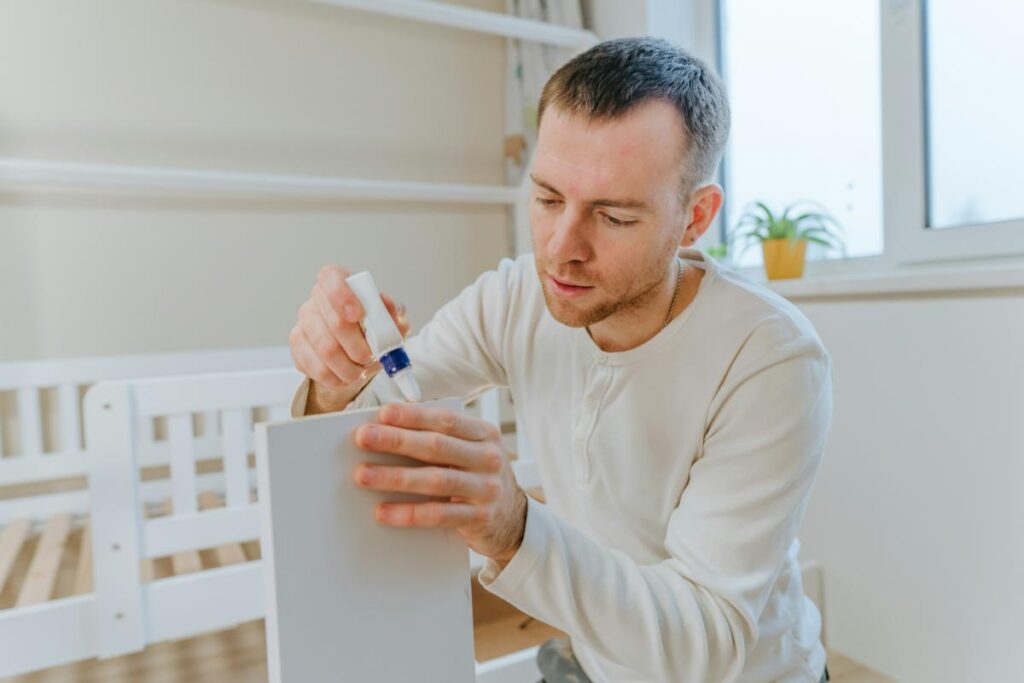
Start With the Materials You’re Bonding
The right glue starts with the surfaces, not the size of the repair. Wood, ceramic, metal, plastic, rubber, fabric, and glass all behave differently. Some absorb glue easily, while others are slick, flexible, or difficult for adhesives to grip.
For wood-to-wood repairs, a quality wood glue is often the best choice because it soaks into the grain and creates a strong bond when clamped properly. Think of a loose chair rung, a cracked drawer side, or a small split in a cabinet frame. The key is tight contact between the pieces and enough clamping time for the glue to cure.
Plastic is trickier. Some plastics bond well with epoxy or cyanoacrylate glue, often called super glue, while others resist most household adhesives. If a plastic item feels waxy or very flexible, test the glue on a hidden area first. A product labeled “multi-surface” doesn’t always mean it works equally well on every plastic.
Match the Glue to the Stress of the Repair
A decorative repair doesn’t need the same adhesive as something that carries weight or gets pulled, bumped, or moved often. For example, reattaching a small ceramic chip is a different job from fixing a loose stair nosing or repairing a metal bracket.
Epoxy is usually a strong option for repairs that need gap filling or a rigid bond. It’s useful when surfaces don’t fit together perfectly, such as a cracked planter, a broken tool handle, or a loose piece of stone. Two-part epoxies require mixing, but that extra step gives you more control over strength and working time.
For demanding home repairs where the bond may face vibration, weight, or mixed materials, it helps to understand how strong industrial adhesives are designed around performance requirements such as substrate type, curing conditions, and long-term durability. Homeowners don’t need factory-grade products for every fix, but the same thinking applies: choose the adhesive around the job, not just the label.
Consider Moisture, Heat, and Indoor Air
Where the repair will live matters as much as what you’re bonding. A glue that works well on a dry indoor shelf may fail on a bathroom hook, outdoor planter, or garage tool exposed to temperature swings.
For kitchens, bathrooms, laundry rooms, and exterior repairs, look for adhesives labeled water-resistant or waterproof. Read the label carefully because those terms are not always interchangeable. Water-resistant glue may tolerate occasional moisture, while waterproof glue is usually better for regular exposure.
Heat can also weaken some adhesives. Repairs near ovens, radiators, fireplaces, sunny windows, or outdoor surfaces should use a glue rated for higher temperatures. If the packaging doesn’t mention heat resistance, assume it’s meant for normal indoor conditions.
Ventilation is another practical detail. Many adhesives release fumes while curing, especially solvent-based products. The U.S. Environmental Protection Agency notes that volatile organic compounds can be released from many household products and may affect indoor air quality, so it’s smart to work in a ventilated area and follow label directions closely when using stronger glues or sealants.
Don’t Skip Surface Prep and Curing Time
Many glue failures come from rushing the prep. Dust, grease, old adhesive, paint flakes, and glossy finishes can stop the bond from forming properly. Before applying glue, clean the surfaces and remove loose material. For slick surfaces such as metal, ceramic, or hard plastic, light sanding can help the adhesive grip.
Dry fitting is also worth doing. Put the pieces together before adding glue so you know how they line up and where clamps, tape, or weights should go. Once the glue is applied, you may only have a few minutes to adjust the repair.
Curing time matters, too. “Sets in 10 minutes” does not always mean “ready to use in 10 minutes.” Many adhesives reach handling strength quickly but need several hours, or even a full day, before the repair can take stress. If the item will hold weight, move, or sit outdoors, give it the full cure time listed on the package.
Know When Glue Isn’t Enough
Glue is useful, but it shouldn’t replace proper hardware when the repair is structural. A loose handrail, cracked step, sagging shelf, or damaged chair leg may need screws, brackets, dowels, replacement parts, or professional repair in addition to adhesive.
A good rule is to ask what happens if the bond fails. If failure could cause injury, water damage, or expensive breakage, treat glue as one part of the repair rather than the whole solution. Adhesive can strengthen the joint, but mechanical support often provides the safety margin.
For small household fixes, though, choosing carefully makes a big difference. Match the glue to the material, stress, and environment, then give the repair clean surfaces and enough curing time. That simple process will prevent most frustrating glue failures and help your toughest home repairs last longer.