
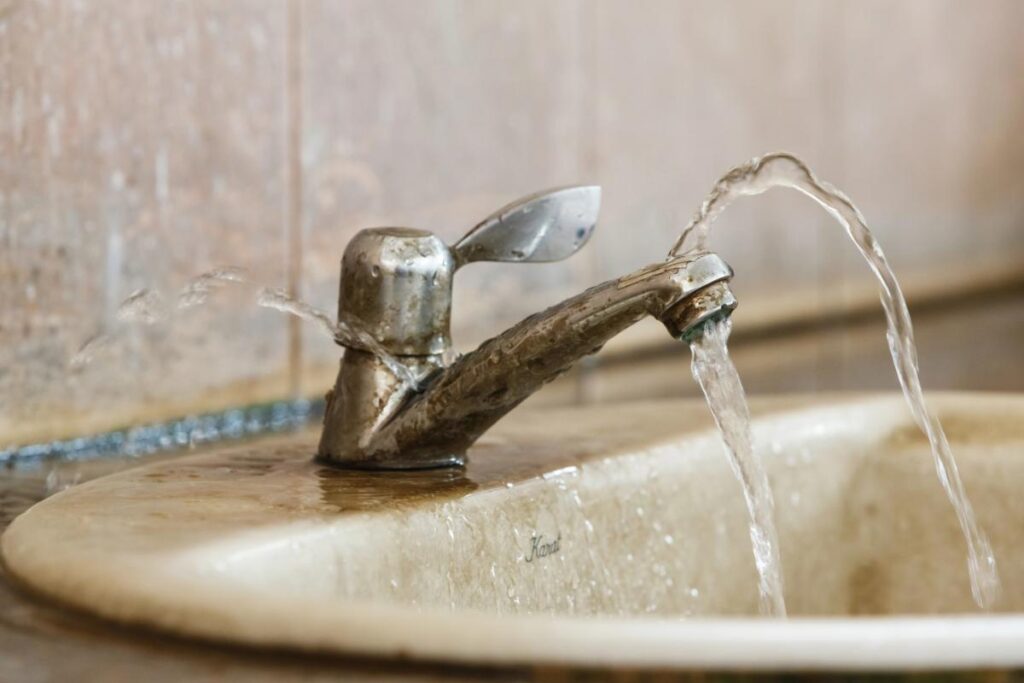
A slow drip under the sink or a burst hose behind the washer rarely announces itself. By the time you notice a warped floorboard or a musty smell, water has often been working for days. For a busy household, that hidden trouble turns into a stressful, costly repair.
The good news is that catching problems early keeps most of them small. Knowing what to check and when to act protects both your home and your budget. When flooding or a major leak overwhelms a house, a certified Lancaster team like water damage compleat restorations can pump out the water, dry the framing, and sanitize the space. Most everyday leaks, though, you can catch and manage yourself.
What Are the Early Signs of Water Damage at Home?
The earliest signs are small and easy to miss. Watch for stains, a musty smell, and floors that feel soft or spongy underfoot.
Water damage is any harm caused when moisture reaches materials meant to stay dry. Drywall, wood, and flooring soak it up quickly. The longer they sit wet, the more you lose.
Peeling paint or bubbling wallpaper often means water sits behind the surface. A sudden jump in your water bill can point to a hidden pipe leak. So can the sound of running water when every tap is off.
Water damage ranks among the most common home insurance claims in the United States. That is why a quick walk-through each month pays off. Check under sinks, around the toilet, and near the water heater for damp spots.
Which Household Habits Prevent Water Damage?
Simple, repeated habits stop most leaks before they start. Everyday drips add up fast across a whole house.
The EPA’s WaterSense program reports that the average household loses nearly 10,000 gallons of water a year through leaks. Fixing them early saves both water and money. Here is a routine that works for a busy family.
- Replace rubber washing machine hoses every 5 years, and switch to braided steel lines.
- Check under sinks and around the water heater monthly for moisture or rust.
- Clean gutters twice a year so rain drains away from the foundation.
- Reseal grout and caulk yearly, and a solid shower base helps prevent bathroom leaks behind the wall.
- Find your main shutoff valve today, label it, and teach the family where it sits.
- Keep a home maintenance checklist so worn seals, hoses, and shingles get caught early.
Work through one or two of these each weekend. Small steps beat a big cleanup later.
How Do You Stop a Small Leak From Spreading?
Shut off the water at the source or the main valve first. Then dry the area fast, because time is what turns a small leak into a big one.
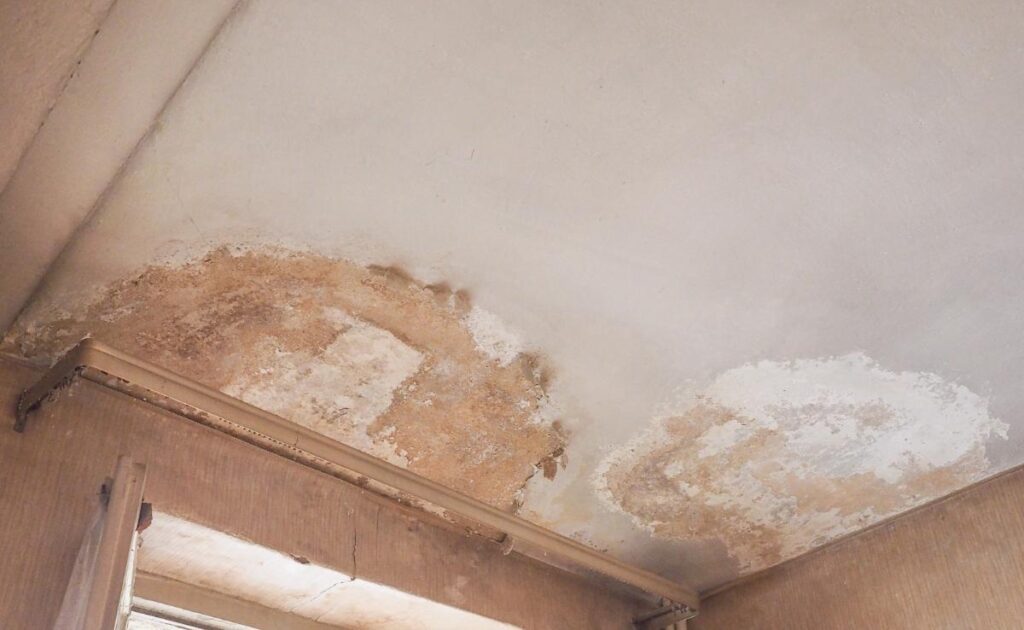
Mold can start growing within 24 to 48 hours on a wet surface. The CDC’s guidance on mold notes that damp indoor spaces can trigger coughing, congestion, and asthma flare-ups. Speed protects both your home and your family’s health.
Move rugs, boxes, and furniture to a dry room right away. Set up 2 fans and a dehumidifier, and keep the air moving. Run them for at least 3 days after surfaces feel dry to the touch.
Photograph every damaged item before you clean up. Those photos support an insurance claim later. If a room feels unsafe near outlets or standing water, stay out and call for help.
Where Do Home Water Leaks Usually Start?
Most household leaks start in a few predictable places. Knowing them tells you where to look first during a monthly check.
- Plumbing: supply lines and drain traps under sinks loosen and drip over time.
- Appliances: washing machines, dishwashers, and refrigerators cause a large share of failures.
- Water heaters: most tanks last 8 to 12 years before rust or a slow leak appears.
- Roofs and gutters: worn shingles and clogged gutters let rain seep into ceilings.
- Windows and foundations: cracked caulk and poor grading push rainwater indoors.
- Toilets: a running flapper can waste 200 gallons a day without a visible spill.
Give each of these a quick look during your monthly walk-through. A 5 minute check often spots a problem while it is still cheap to fix.
When Does Water Damage Need a Professional Crew?
Call a pro when water covers a large area, keeps rising, or carries sewage. These jobs need equipment and drying power a household mop cannot match.
A restoration crew extracts water, dries the structure, and treats surfaces to stop mold. They use industrial pumps, moisture meters, and commercial fans. That gear reaches water hidden inside walls and under subfloors.
Storm and sewage water is riskier because it carries dirt and bacteria. When water is deep or dirty, wading in is a health hazard, not a chore. One phone call for an estimate costs nothing and can save the house.
What to Keep In Mind
- Look for stains, musty smells, and soft floors during a monthly check.
- Replace old washer hoses and reseal tubs before they fail.
- Know where your main water shutoff valve is right now.
- Dry any wet area within 24 to 48 hours to beat mold.
- Photograph the damage first to support your insurance claim.
- Call a pro for large, dirty, or fast-rising water.
Staying Ahead of Household Water Damage
Water damage feels like a disaster, but small habits keep it from ever reaching that point. Check the usual leak spots, act fast when you find one, and dry everything within two days. Handle the small jobs yourself, and bring in a trusted crew when the water wins.
Frequently Asked Questions
How do I find a hidden water leak at home?
Watch your water meter with every tap off, then check again in an hour. Movement points to a hidden leak somewhere in the system. Musty smells and warm, damp spots on floors help you narrow the location.
How long do I have before mold starts after a leak?
Mold can begin growing within 24 to 48 hours on a wet surface. That short window is why fast drying matters more than a perfect cleanup. Run fans and a dehumidifier and keep air moving for several days.
Does homeowners insurance cover water damage?
Many policies cover sudden accidents like a burst pipe or an appliance failure. Most exclude slow, ongoing leaks and outdoor flooding. Call your agent to confirm your coverage before you ever need to file.
Can I dry out a small leak myself?
Yes, for small clean-water spills you often can. Shut off the source, mop up the water, and run fans for about 3 days. Call a pro if the area is large or the water is dirty.