
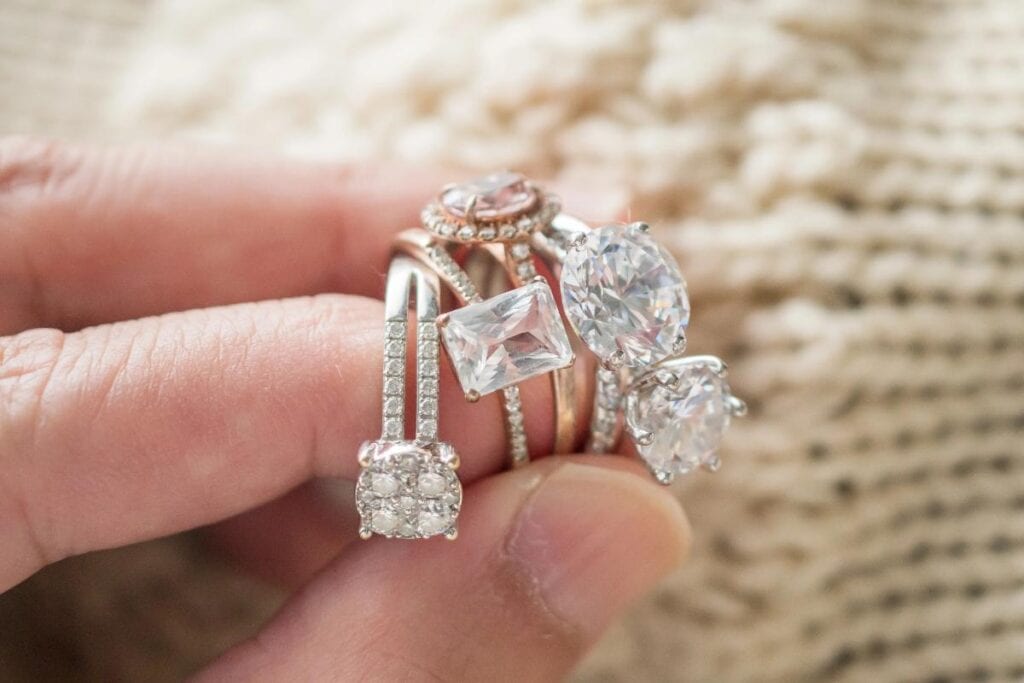
A few years into a marriage, upgrading a ring often becomes a way of marking a new chapter. The first ring still holds its place. It reflects the budget at the time, the stage of life, and what it felt like when two people were just starting to build a home together.
But five or ten years later, life looks different. As income stabilizes and major milestones pass, a couple may begin to consider an anniversary ring upgrade. Whether they choose to rework the original ring or select a new one, the decision can add a new layer of meaning to the marriage.
The real question is how to make this milestone feel considered without disrupting the comfort of the family’s finances.
Decide What the Ring Upgrade Is For
Clarifying the purpose of the upgrade makes the rest of the decision easier. Some couples are looking for a ring that feels more appropriate for anniversary dinners or formal occasions. Others may simply want an additional piece they can wear every day, alongside the engagement ring they already have.
That purpose shapes everything that follows. A ring intended for formal settings can carry a more noticeable center stone and a stronger presence. One that is worn daily needs to sit comfortably, which brings attention to details like setting height, band thickness, and whether it catches on clothing.
Set a Budget Before Looking at Bigger Stones
A more fundamental decision comes earlier: whether to buy a completely new ring or rework what already exists.
If the decision is to buy a new ring, the shift often begins with the idea of going “a bit bigger.” From there, natural diamond pricing can move quickly into a different range. The question, for most couples, is not whether they can afford it, but what they are choosing to give up for it.
A more grounded approach is to consider all household expenses, define a budget that does not create credit card stress, and then explore what kind of change can be achieved within that range.
Look Beyond Diamond-Only Options
Diamonds have long been the classic choice for wedding rings, representing the most familiar social language and a time-honored symbol of commitment. However, when a family looks to achieve a visual upgrade within a reasonable budget, natural diamonds are no longer the only option.
Moissanite works well for those who want strong sparkle and a larger-looking center stone. In this context, choosing a moissanite ring as a diamond alternative is less about lowering standards and more about making a practical choice.
Lab-grown diamonds appeal to those who still want the look and identity of a diamond. They are still diamonds—the difference lies in how they are made and priced. Visually, they sit closer to traditional engagement rings. For those who prefer to stay within that familiar language while keeping costs more controlled, this becomes another path.
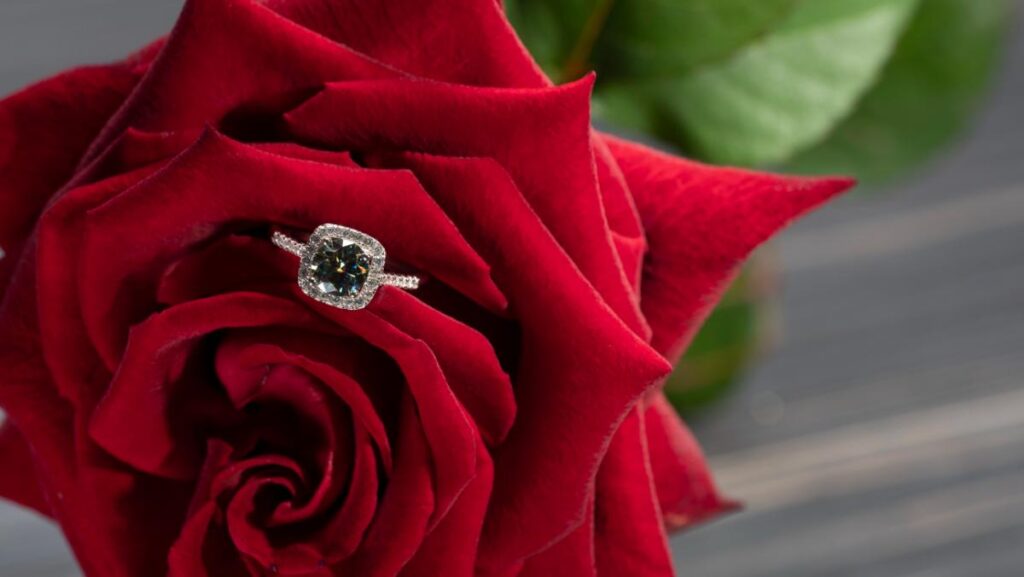
Colored gemstones move in a different direction. Instead of trying to replicate a diamond, they introduce color and a more personal reference. A sapphire, an emerald, or a ruby can connect the ring to a birth month, an anniversary, or simply a color the wearer is naturally drawn to.
Where to Start Comparing Ring Options
When it comes to actually choosing a ring, technical details on their own are rarely enough. What tends to help more is seeing different designs side by side. The size of the center stone, the color, the height of the setting, the shape of the band, and the overall balance of the design only become clear when they are compared.
A brand with a broad mix of materials and styles can make this comparison easier. For example, Romalar Jewelry carries affordable engagement rings across lab-grown diamonds, moissanite, and colored gemstones, with many options priced under $500. Looking across these categories can help couples understand what their budget allows and which combination of stone, setting, and design feels right for them.
Keeping the Meaning of the Original Ring
The original ring often carries the emotional weight of the beginning, which makes deciding what to do with it part of the upgrade itself.
There are several ways to carry that meaning forward:
Keep it intact: Some choose to store the original ring safely or move it to the right hand, while the new ring becomes the anniversary piece.
Integrate it into the new design: The original stone can be reset into a new ring or incorporated into the design as a side stone, allowing the upgrade to hold both past and present.
Transform it into another piece: When starting fresh with a new ring, the original can be turned into a pendant or earrings, so it continues to be worn in a different form.
Each approach carries the story in a different way, but none of them removes it.
Marking the Years Together
Many couples see life and marriage as a series of chapters. Milestones such as a tenth or twenty-fifth anniversary mark years of building a life together, often through both steady effort and shared challenges.
Upgrading a ring becomes a way to make those years visible. It does not replace what came before, but adds to it—another marker of time, commitment, and what has been built together.
A larger stone or a different design may signal change, but the success of an upgrade is rarely defined by how noticeable it is. What matters more is whether the ring still feels right within the life it belongs to—worn without hesitation and without disrupting the balance of the family’s finances.